According to doctor Samantha DeVito in EatingWell, nutrients can influence inflammation, blood sugar, gut health, and neurotransmitter production, thereby affecting mood and the ability to respond to stress. While dietary changes cannot completely eliminate anxiety, prioritizing whole, nutrient-rich foods, including blueberries, can help stabilize and balance the nervous system.
Combats inflammation
Antioxidants help keep cells healthy and reduce chronic diseases. Blueberries are rich in anthocyanin antioxidants, which combat oxidative stress and inflammation associated with anxiety and mood disorders.
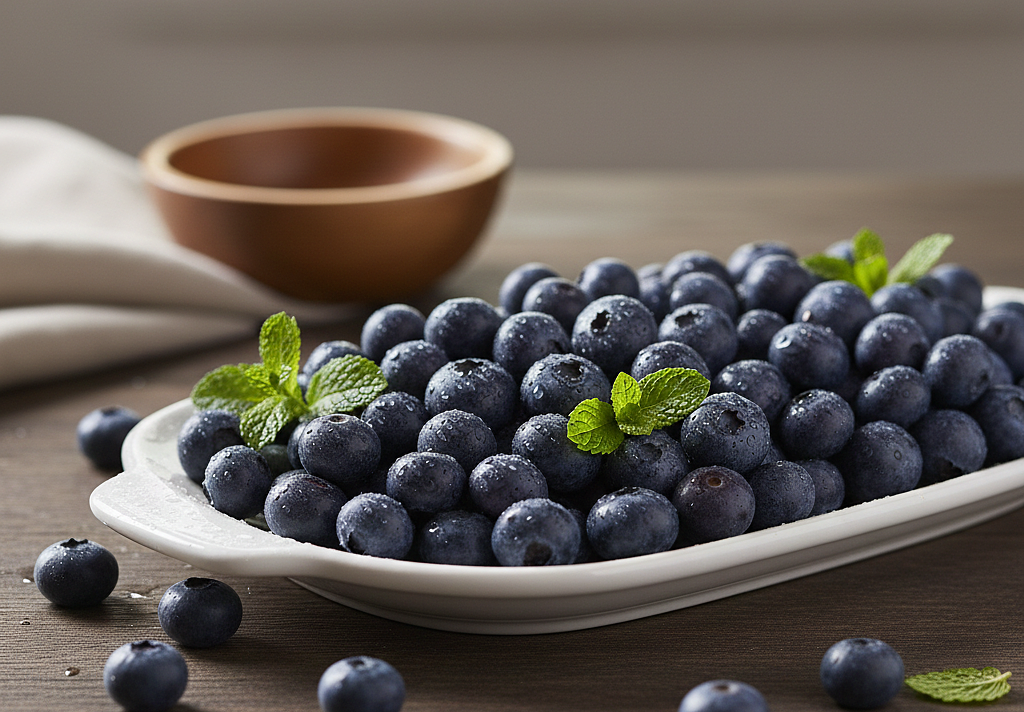 |
Blueberries are rich in antioxidants. *Photo: Anh Chi* |
Boosts cognitive health
The antioxidants in blueberries can support cognitive function and blood flow to the brain. This positively impacts mood, concentration, and emotional regulation during stress. Blueberries are rich in vitamin C, a vital nutrient involved in producing neurotransmitters like serotonin and dopamine. These hormones play a role in mood and stress response.
Supports the gut-brain axis
The high content of antioxidants and fiber in these berries contributes to slower digestion, with less impact on blood sugar levels. Polyphenols and fiber in blueberries help nourish beneficial gut bacteria.
The gut and brain connect via the gut-brain axis. Gut health plays a crucial role in mood regulation and anxiety reduction. A stable gut helps relax the mind and improve focus. Conversely, memory and brain health suffer negatively if digestive disorders occur.
Blueberries can be added to plain yogurt for breakfast, eaten directly, or used in smoothies and desserts.
Beyond blueberries, many other foods are beneficial for brain health: omega-3 rich fatty fish, nuts containing vitamin E and healthy fats, avocados rich in vitamin E, C, folate, and whole grains. These foods contribute to cardiovascular support and maintaining brain function.
By Anh Chi (Compiled)
| Readers can send questions about neurological diseases here for doctors to answer. |