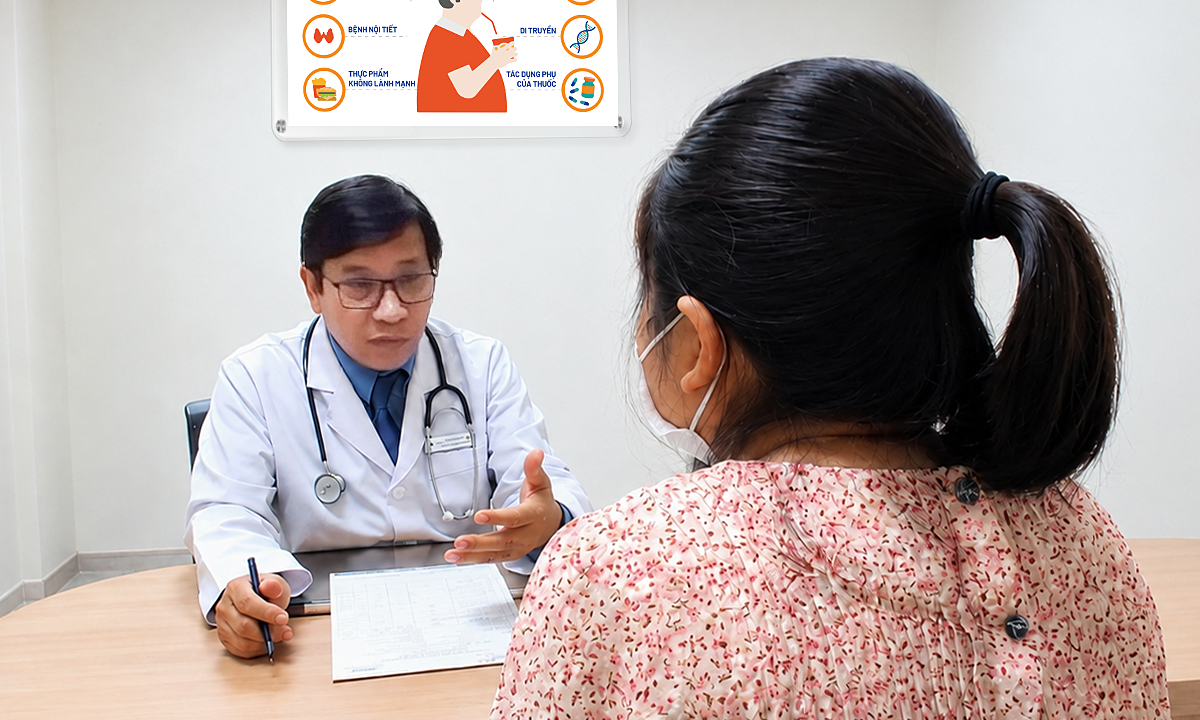
Ms. Hoa developed a high fever, headache, and body aches. Believing it was a common fever, she self-medicated at home. Four days later, she became exhausted, experienced a rapid heartbeat, and had difficulty breathing. Master, Doctor Nguyen Thi Thuy Hau, from the General Internal Medicine Department at Tam Anh General Hospital Hanoi, diagnosed the patient with dengue fever in a late stage. Her platelet count had dropped to 67 G/L (normal range 150-450 G/L), indicating a risk of hemorrhage. She also suffered from complications including heart failure, pericardial effusion, and respiratory failure, compounded by underlying hypertension.
According to Doctor Hau, dengue fever can progress rapidly in elderly individuals, especially those with underlying cardiovascular conditions, hypertension, or other chronic diseases. The inflammatory response caused by the virus leads to a decrease in platelets and increases vascular permeability, resulting in plasma leakage and pleural effusion, which can worsen existing cardiovascular conditions.
 |
Ms. Hoa, who had previously contracted dengue fever, mistakenly thought she "could not get the disease again." Doctor Hau explained that delayed hospital admission and inappropriate self-medication in the initial stage were key factors in the disease's severe progression. Since dengue fever is caused by the dengue virus, antibiotics are ineffective unless there is a secondary bacterial infection. Unsupervised use of antibiotics or anti-inflammatory drugs can mask symptoms, make diagnosis difficult, and even increase the risk of hemorrhage.
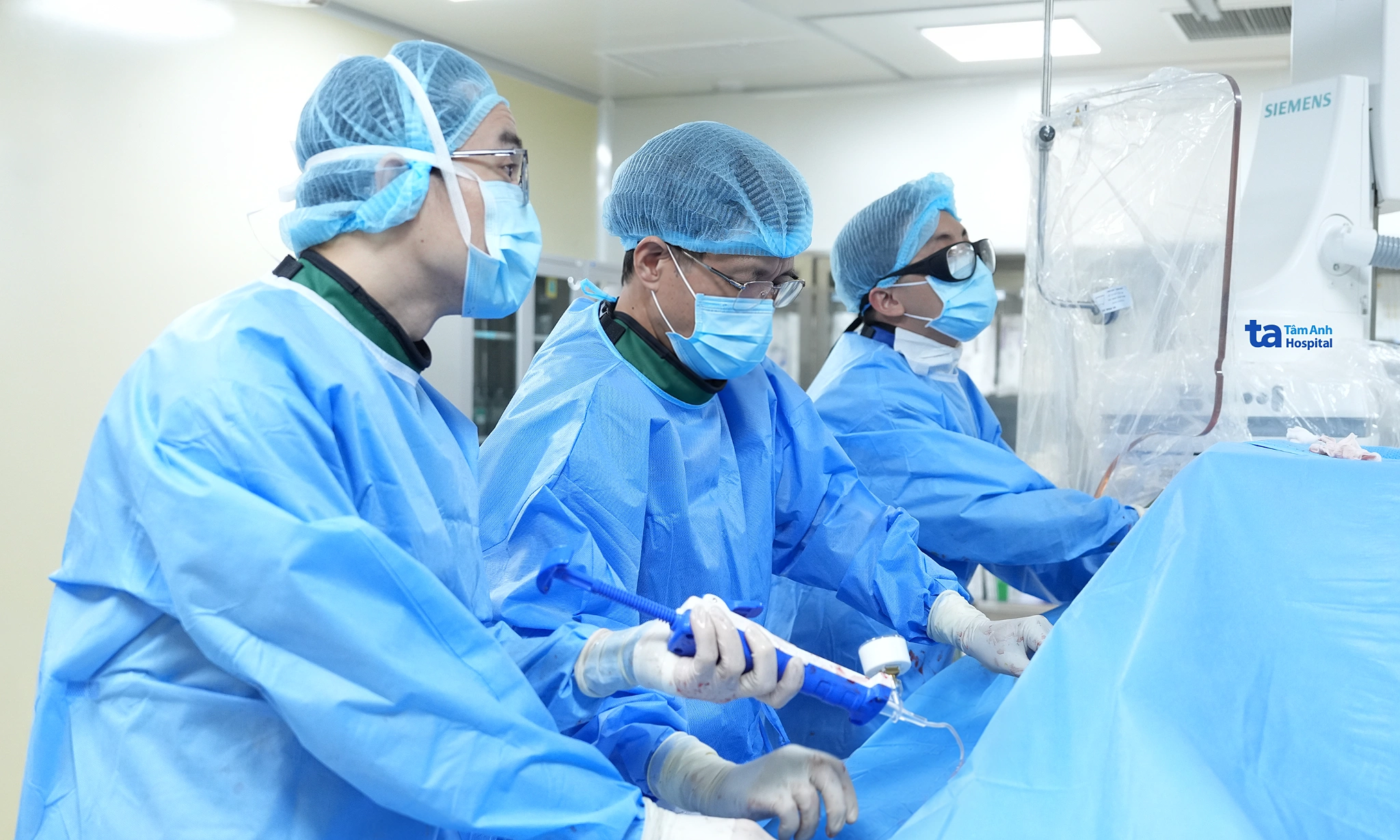
Ms. Hoa received intensive treatment in the General Internal Medicine Department. The treatment protocol involved close monitoring of her dengue fever progression, combined with management of her respiratory and cardiovascular complications. Doctors adjusted intravenous fluids, provided oxygen support, treated pneumonia, controlled heart failure and hypertension, and monitored her platelet count, liver, and kidney function.
After 6 days of treatment, Ms. Hoa's fever subsided, she no longer required oxygen support, her platelet count increased to 159 G/L, her pneumonia was controlled, and her cardiovascular function stabilized. She was then discharged.
Doctor Hau advises the public not to be complacent when experiencing sudden high fever, headache, muscle and joint pain, pain behind the eyes, or rash during the rainy season. If a fever lasts one to two days or is accompanied by unusual signs, patients should seek medical examination. Elderly individuals and those with hypertension, heart failure, diabetes, kidney disease, or other chronic conditions require close monitoring due to their higher risk of severe progression. After discharge, patients should rest, avoid strenuous activity, and attend follow-up appointments as scheduled.
To prevent dengue fever, families should actively eliminate mosquito breeding sites by tightly covering water containers, regularly changing water in flower vases, cleaning water tanks, and clearing bushes around their homes. Sleeping under mosquito nets, wearing long-sleeved clothing, and getting the dengue vaccine as recommended by doctors are also important preventive measures.
Thanh Ba
| Readers can submit questions about cardiovascular diseases here for doctors to answer |