 |
Eggs are a high-quality protein source, containing tryptophan and a small amount of natural melatonin. Tryptophan is an amino acid the body uses to produce serotonin, which then converts into melatonin – a hormone that regulates the sleep-wake cycle. Incorporating boiled or steamed eggs into your dinner can provide nutrients without overloading your digestive system. |
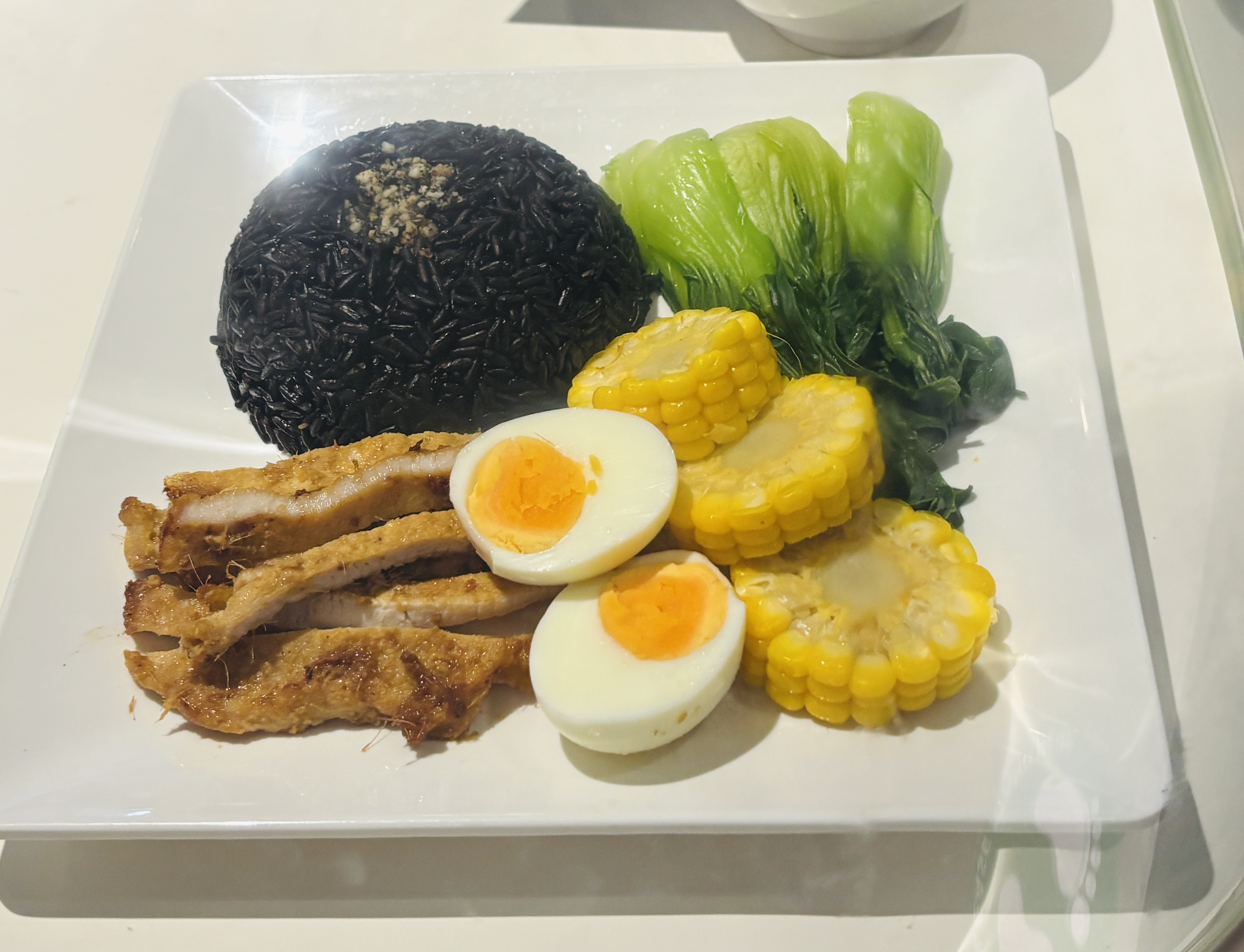 |
Brown rice is a whole grain rich in complex carbohydrates. According to Verywell Health, complex carbohydrates can help the body absorb tryptophan more effectively, thus supporting the production of serotonin and melatonin. Additionally, brown rice provides magnesium and fiber, which help maintain stable energy levels and promote a feeling of fullness. |
 |
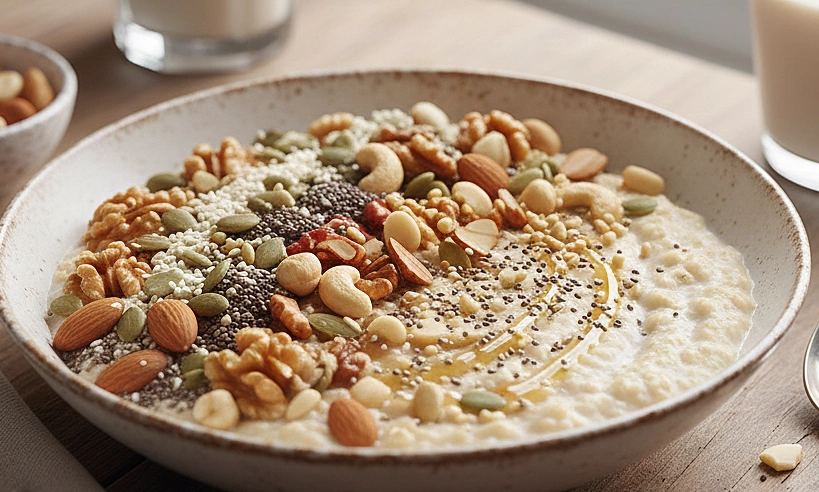
Peanuts are a natural source of melatonin, also containing unsaturated fats, protein, and magnesium. Magnesium is involved in many bodily reactions, including muscle relaxation and supporting nervous system function. You can consume a small amount of unsalted roasted peanuts or add them to salads, porridge, or oatmeal. |
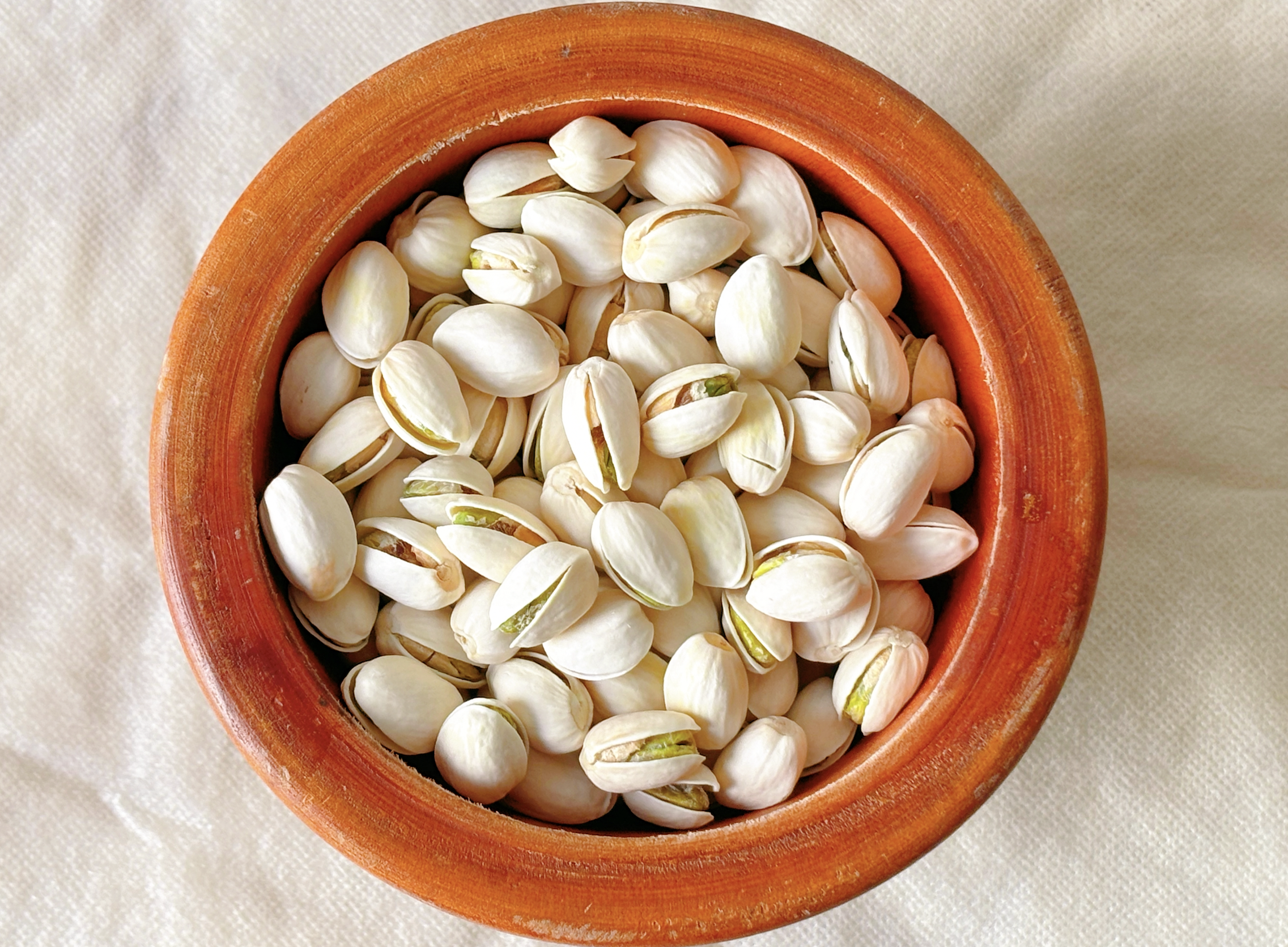 |
Pistachios contain natural melatonin, providing protein, fiber, and healthy unsaturated fats. Consume them in moderation due to their relatively high calorie content, and opt for unsalted varieties to limit sodium intake. |
 |
Spinach contains magnesium, folate, and a small amount of natural melatonin. Magnesium helps relax muscles and supports nervous system function, while folate participates in the synthesis of neurotransmitters related to sleep. Spinach can be prepared boiled, stir-fried, or in soup for dinner. |
By Bao Bao (Compiled)
Photos: AI, Bui Thuy, Bao Bao