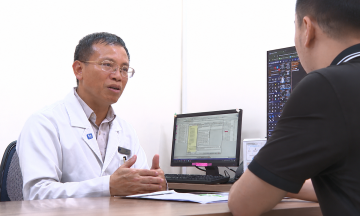
Doctor Dang Thi Mai Khue, from the Department of General Internal Medicine at Tam Anh General Hospital Ho Chi Minh City, states that advanced age reduces the body's resistance and the respiratory system's protective capabilities. Below are common respiratory diseases encountered after age 50 and their warning signs.
Chronic obstructive pulmonary disease
Chronic obstructive pulmonary disease (COPD) is a condition of concern for middle-aged and older individuals. It causes inflammation and damage to the airways, restricting airflow in and out of the lungs.
In its early stages, COPD often progresses silently. Patients may experience only a morning cough, phlegm production, or feel short of breath when climbing stairs or walking quickly. As the disease advances, dyspnea becomes more frequent, even occurring at rest.
According to Doctor Khue, individuals over 50 with a history of smoking, persistent cough, phlegm, or shortness of breath and wheezing should undergo a respiratory function assessment. Spirometry helps detect airway obstruction and aids in diagnosing COPD.
Lung cancer
Advanced age is a risk factor for lung cancer. The risk is particularly notable in long-term smokers, those with a history of passive smoke exposure, industrial substances like asbestos or radon, or certain carcinogens in the workplace.
Early-stage lung cancer may not present with clear symptoms. When symptoms do appear, typically in later stages, patients might experience a persistent cough or a change in cough characteristics, bloody phlegm, chest pain, shortness of breath, hoarseness, or unintentional weight loss.
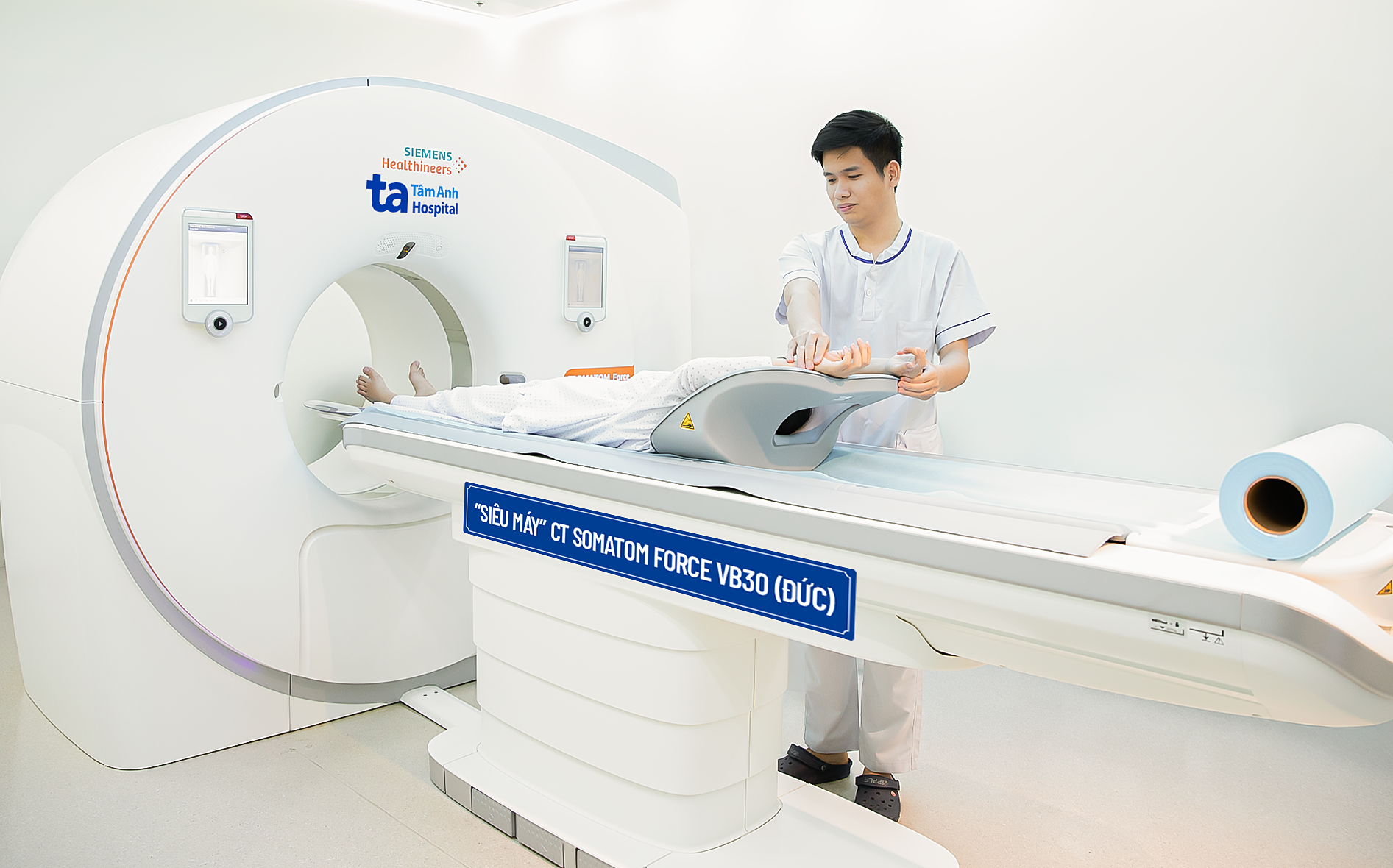 |
The Somatom Force VB30 CT system helps detect minute lesions in the lungs. Photo: Tam Anh General Hospital |
The Somatom Force VB30 CT system helps detect minute lesions in the lungs. Photo: Tam Anh General Hospital
Bronchial asthma
Asthma is not limited to children; it can also develop in older adults. In this age group, asthma symptoms are sometimes mistaken for COPD or cardiovascular disease, as both can cause shortness of breath and chest tightness.
Patients may experience recurrent episodes of coughing, wheezing, or chest tightness, often worsening at night, in the early morning, or when exposed to allergens, smoke, or cold air. Symptoms can vary over time and in severity.
Individuals with frequent, recurrent episodes of shortness of breath, wheezing, or coughing should not self-medicate. They need a medical examination to identify the cause. Assessing respiratory function and response to bronchodilators can help doctors guide diagnosis.
Pneumonia
Pneumonia in older adults can also present with atypical symptoms. Patients often experience severe fatigue, poor appetite, cough, shortness of breath, rapid breathing, or changes in consciousness. According to Doctor Khue, appropriate vaccination for age and underlying conditions, hand hygiene, limiting exposure to infection sources, and avoiding smoke can help prevent the disease.
Pulmonary fibrosis and interstitial lung disease
Interstitial lung disease is a group of conditions that damage lung tissue, with some cases leading to pulmonary fibrosis. The disease can be linked to autoimmune conditions, medications, occupational or environmental exposures, and in some instances, the cause remains unknown.
Symptoms usually progress gradually, including shortness of breath during exertion and a persistent dry cough. Patients often mistake these for age-related physical decline, leading to delayed diagnosis. As fibrosis advances, the lungs' ability to exchange gases diminishes, and shortness of breath can occur even during light activities.
Sleep apnea
Individuals over 50 should also be aware of sleep-related respiratory disorders, particularly sleep apnea syndrome. Patients typically snore loudly, experience silent pauses due to stopped breathing, followed by gasping or snorting. During the day, they may feel sleepy, fatigued, have difficulty concentrating, or wake up with headaches, feeling unrefreshed. Repeated episodes of apnea during the night can decrease blood oxygen levels, fragment sleep, and strain the cardiovascular system. If suspicious signs appear, doctors may recommend a sleep polysomnography to diagnose the condition and its severity.
Doctor Khue advises that individuals over 50 should undergo regular respiratory health check-ups, especially those with a history of smoking, working in dusty or chemical environments, having underlying conditions, or previous respiratory infections. Depending on the individual, doctors may order spirometry, X-rays, chest CT scans, sleep polysomnography, or other tests.
Nhat Thanh
| Readers can submit questions about respiratory diseases here for doctors to answer |