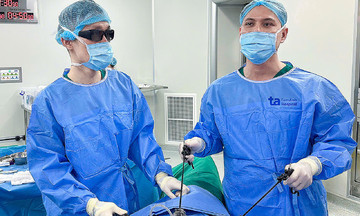
On the evening of 20/12/2024, Do Ngoc Hoa, Deputy Director of Quang Ngai Department of Health, announced that the source of contamination was not pate, contrary to initial suspicions. Based on analysis from Pasteur Institute Nha Trang, authorities detected Salmonella spp bacteria in samples of beef sausage, pork sausage, butter, and chili paste. The cilantro sample was found to be contaminated with both Salmonella spp and Bacillus cereus.
This conclusion followed the Provincial Center for Disease Control collecting 17 food samples from the main facility at 280 Nguyen Nghiem and its retail outlets for testing. Comparing these with patient samples, experts noted a correlation, with four patient stool samples testing positive for Salmonella, and one case also infected with Staphylococcus aureus.
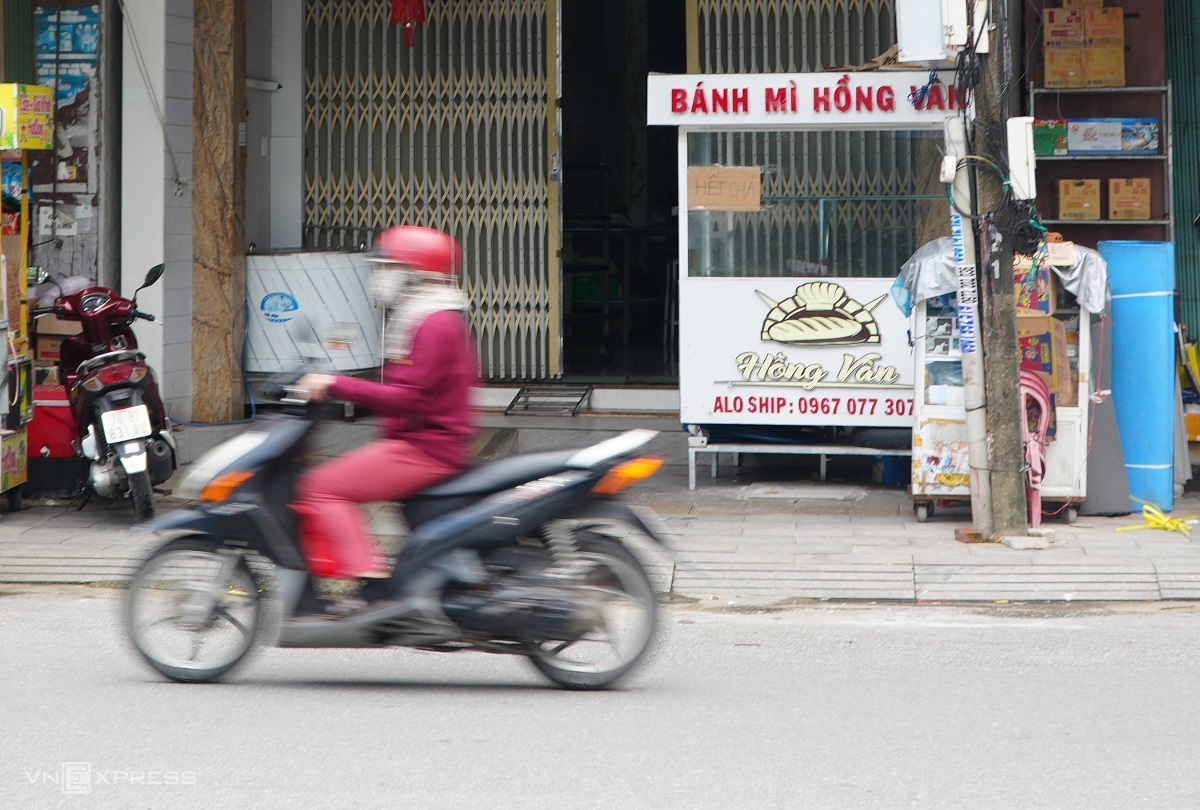 |
The main Hong Van bread facility on Nguyen Nghiem street, where sausage is produced for its bread stalls. Photo: Pham Linh |
The main Hong Van bread facility on Nguyen Nghiem street, where sausage is produced for its bread stalls. Photo: Pham Linh
The food poisoning outbreak occurred from 13 to 16/12/2024, leading to 203 emergency cases admitted to local hospitals. All patients exhibited severe abdominal pain, vomiting, high fever, and frequent diarrhea after eating bread from the Hong Van chain. Currently, the majority of patients are stable and have been discharged, with only 11 cases still under observation.
During a meeting with the inspection team, Nguyen Hong, the owner of the facility, admitted to supplying all ingredients, including sausage, xiu mai (steamed pork buns), butter, vegetables, and bread, to the sales points. However, Hong failed to produce invoices proving the origin of the food, health check certificates, or food safety training certificates for his staff.
At the production address, 280 Nguyen Nghiem, authorities noted that the facility operated without proper permits, lacking both a business registration certificate and a food safety eligibility certificate. The processing procedures at the location violated the "one-way principle", a mandatory requirement to prevent cross-contamination from raw materials to finished products.
In response to the numerous violations, Cam Thanh Ward People's Committee sealed all evidence and suspended the operations of the business system. The Quang Ngai Department of Health has urged local authorities to strictly penalize the production of food that causes serious consequences. Additionally, the department requested the Department of Agriculture and Rural Development to collaborate and provide documentation to clarify state management responsibilities regarding the facility.