


"Land fever", also known as Whitmore disease, is an infection caused by Burkholderia pseudomallei bacteria, commonly found in soil environments.
According to Dr. Nguyen Hoang Anh, a specialist in infectious diseases at the Department of General Internal Medicine, Tam Anh General Hospital, TP HCM, "land fever" is not transmitted directly from person to person. The causative bacteria typically enter the body through skin abrasions when in contact with contaminated environments. Transmission can also occur via the respiratory or digestive tracts.
"Do not underestimate even minor scratches", Dr. Hoang Anh advised. After exposure to a high-risk environment, it is crucial to clean wounds thoroughly with clean water, disinfect them properly, and closely monitor for systemic symptoms in the following days. Wearing protective gear such as gloves and boots when working in soil or mud is a simple yet effective measure to reduce the risk of infection.
Everyday activities like farming, gardening, cleaning up after floods, or simply walking barefoot on damp soil increase the risk of exposure. When the skin's natural protective barrier is compromised, bacteria find favorable conditions to penetrate deeper into the body.
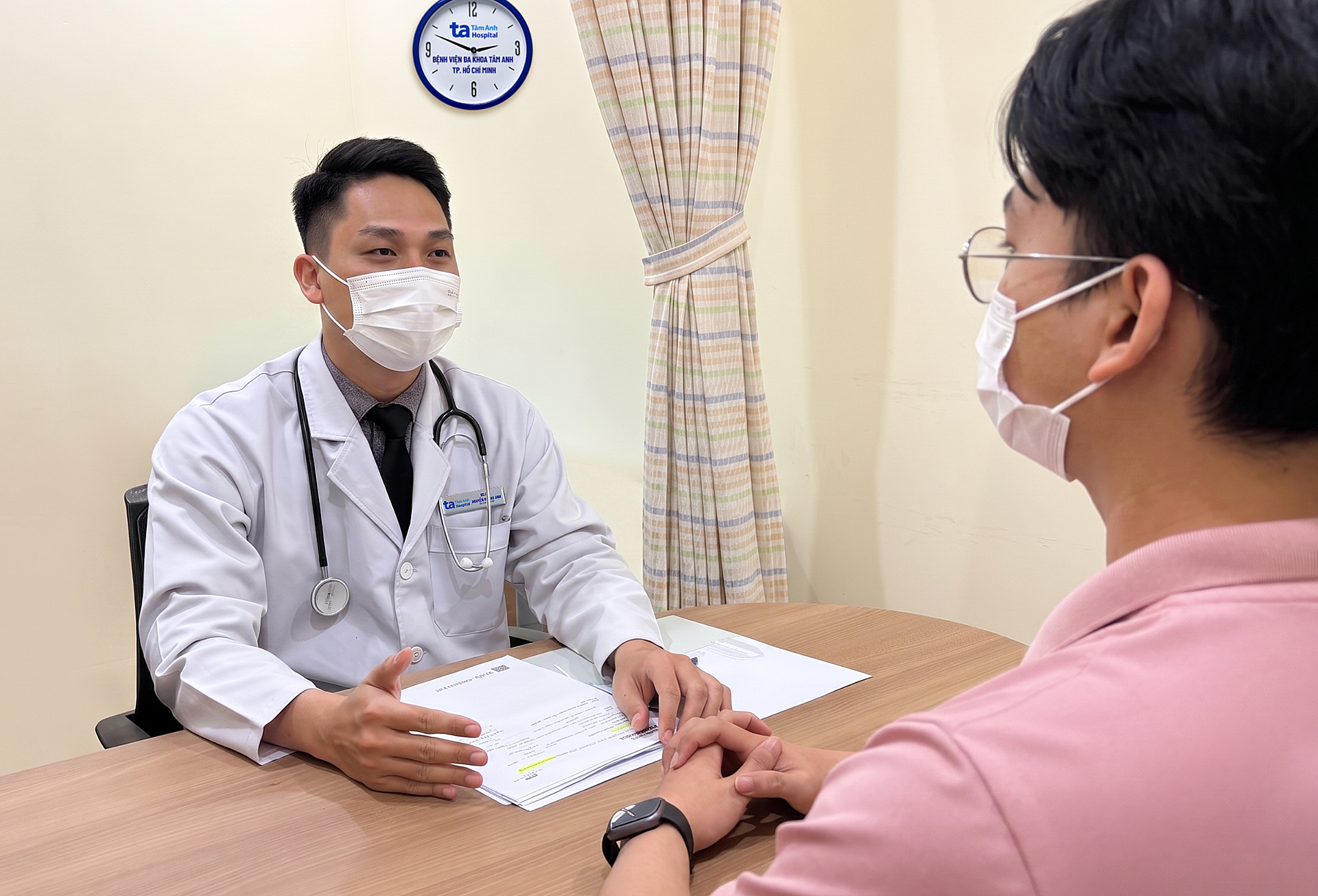 |
Dr. Hoang Anh explaining a patient's health condition. Illustration: Tam Anh General Hospital
According to Dr. Hoang Anh, the initial symptoms of "land fever" are often subtle and easily mistaken for common infections. Patients may experience only a mild fever, fatigue, muscle aches, or fleeting discomfort. In some cases, external wounds show no clear signs of infection, leading individuals to delay seeking early medical attention.
If not detected and treated promptly, Burkholderia pseudomallei bacteria can spread through the bloodstream, causing severe infections and forming abscesses in various organs such as the lungs, liver, spleen, kidneys, or even bones and the prostate gland. In its late stage, the disease progresses to sepsis, carrying a high risk of death, especially in patients with compromised immune systems.
Underlying medical conditions significantly increase the risk and severity of the disease. Individuals with diabetes, chronic liver disease, kidney disease, or a history of alcohol addiction are more susceptible to infection. Certain occupational groups face a higher risk of contracting "land fever", including farmers, environmental workers, and construction workers.
Dr. Hoang Anh noted that "land fever" is not a new disease but still poses many risks due to its tendency to be overlooked in the early stages. Thailand has reported complex developments of the disease, with 732 cases and 23 deaths.
Experts recommend that people, especially those with underlying conditions like diabetes or immunodeficiency, limit contact with mud and contaminated water. They should use full protective gear such as shoes, boots, and gloves when working.
Maintain personal hygiene, eat cooked food, drink boiled water, and cover open wounds to prevent infection. If symptoms such as fever, cough, or abscesses appear after exposure to a contaminated environment, seek hospital examination and timely treatment.
Nhat Thanh
| Readers can ask respiratory disease questions here for doctors to answer |


