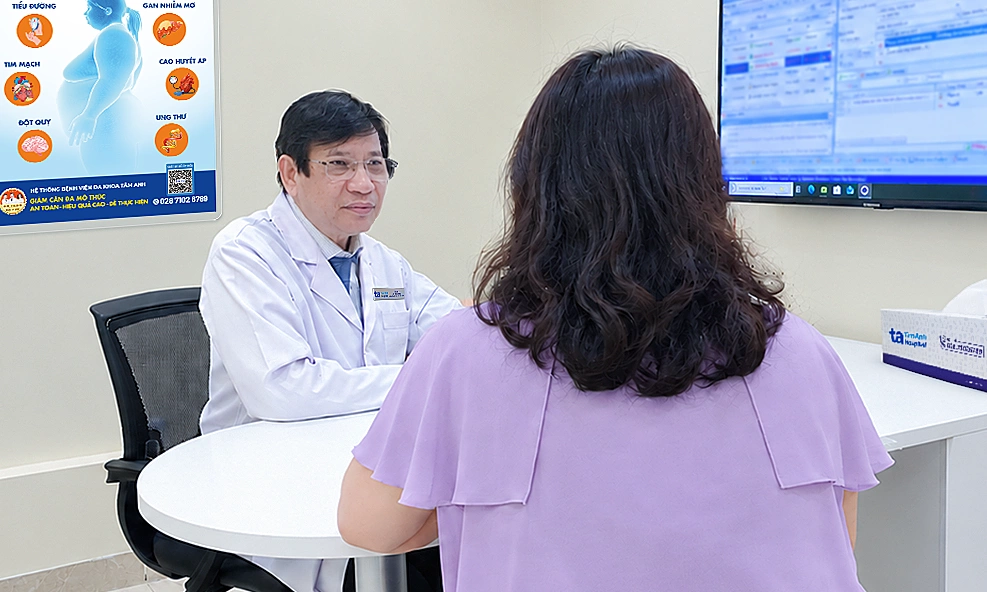
Associate Professor, Doctor Nguyen Trong Hung from the National Institute of Nutrition, points out that after a tiring workday, many individuals habitually sit watching television, use their phones, or lie down immediately after dinner. If this pattern becomes frequent, particularly with an unhealthy, energy-surplus diet, it can adversely affect metabolism.
The body's energy processing after meals explains this. Nutrients are absorbed into the bloodstream to fuel the body. Triglycerides, or neutral fats, can temporarily increase for several hours post-meal, especially after consuming high-fat, high-sugar, or high-starch foods. This is a normal digestive and absorption process. Light activity after eating can help mitigate this post-meal triglyceride rise, while prolonged sitting or lying motionless prevents this benefit. Triglycerides are also produced from excess energy, particularly after consuming significant amounts of starch, sugar, and alcohol. When calorie intake exceeds the body's needs, triglycerides are generated and stored in fat cells. Elevated triglyceride levels, a form of dyslipidemia, are linked to an increased risk of various chronic diseases.
The concern isn't that "lying down after eating immediately causes blood fat to spike," but rather that consistent excess energy intake, inactivity, and prolonged sedentary periods can negatively impact lipid metabolism long-term, leading to increased blood fat. When one walks or engages in light activity after a meal, muscles activate and consume energy. This enables the body to better process and utilize post-meal sugars and fats.
Simply put, instead of allowing the body to enter a complete rest state immediately after eating, light movement helps the body continue to "burn off" energy. Maintaining this habit alongside a balanced diet can support weight management and blood fat metabolism. This does not necessitate heavy exercise or high-intensity activity; gentle, moderate movement is sufficient. Muscle activity promotes the use of nutrients and energy, supporting lipid metabolism and preventing prolonged high post-meal triglyceride levels. Walking, light housework, or daily gentle activity all count as physical activity. Consistency is key.
 |
Illustration: Bui Thuy |
Illustration: Bui Thuy
It is important to note that blood fat issues stem from overall lifestyle and body metabolism, not just a single post-meal habit. Factors like a diet high in unhealthy fats, excess energy, frequent sugary drink consumption, being overweight or obese, inactivity, and certain genetic or pathological conditions can all influence blood lipid levels.
Individuals with high blood fat should limit foods rich in refined carbohydrates and sugar, such as white rice, sweet cakes, candies, vermicelli, pho, hu tieu, and white bread, to effectively reduce blood fat.
Additionally, incorporating fiber-rich foods into the diet promotes health. Soluble fiber, in particular, binds to and eliminates dietary cholesterol before the intestines absorb it. Fiber also aids in the slow absorption of sugars and carbohydrates, stabilizing blood sugar levels post-meal and improving blood triglyceride levels for those with high blood fat.
Furthermore, those with elevated blood fat must reduce bad fats and limit cholesterol-rich foods like red meat (pork, beef, goat), organ meats, and whole milk.
Traditional meals can be adjusted to meet nutritional needs by reducing seasoning and selecting appropriate ingredients. When adding starches, prioritize unrefined options such as beans, quinoa, potatoes, brown rice, or whole-grain oats. For protein, favor plant-based sources and limit red meat to a maximum of two times per week, not exceeding one hundred grams per day.
For fats, choose unrefined oils low in omega-6 fatty acids, such as extra virgin olive oil, avocado oil, or cold-pressed coconut oil. Limit salty and sweet seasonings; monosodium glutamate can be replaced with natural umami flavors from seaweed, mushrooms, tomatoes, or potatoes. When consuming vegetables and fruits, prioritize low-starch, naturally colorful varieties and restrict cooking methods like stewing or stir-frying with excessive oil.
An effective diet for improving blood fat aims to reduce low-density lipoprotein (LDL) cholesterol, increase beneficial fats, and manage weight. Therefore, prioritize the following 6 foods:
- Green vegetables and fruits: These provide fiber, vitamins, minerals, and antioxidants. Soluble fiber in oats, beans, and produce can help reduce cholesterol absorption.
- Whole grains: Brown rice, oats, and whole-wheat bread offer stable energy and more fiber than refined starches.
- Fish, especially fatty fish: Salmon, mackerel, and herring supply omega-3s, beneficial for heart health.
- Low-fat protein sources: Lean meat, skinless poultry, fish, tofu, and legumes.
- Healthy fats: Olive oil, soybean oil, canola oil, and nuts like almonds and walnuts (used in appropriate amounts).
- Low-fat milk: This supplements protein and calcium without significantly increasing saturated fat.
Thuy Quynh