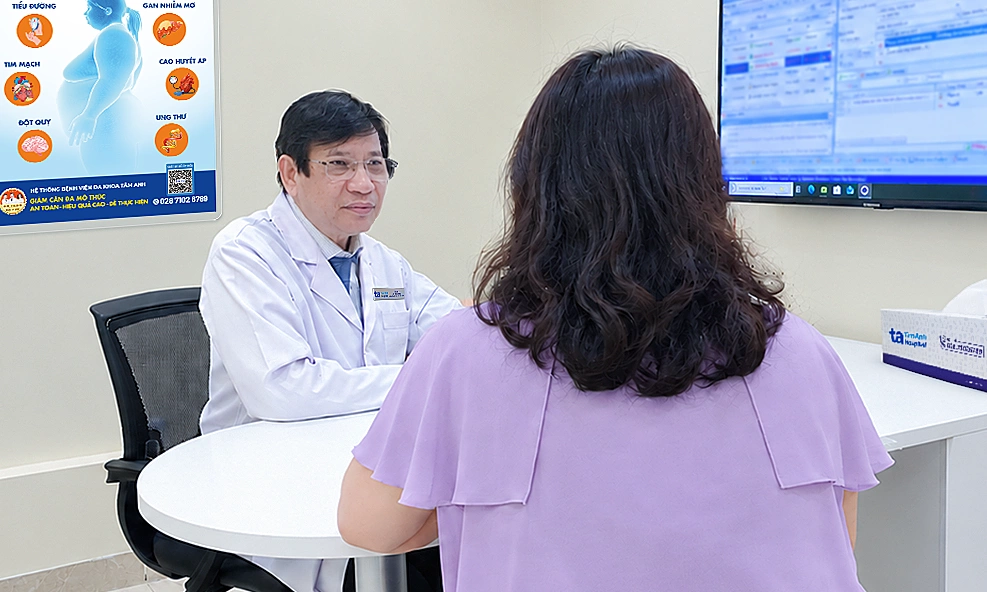
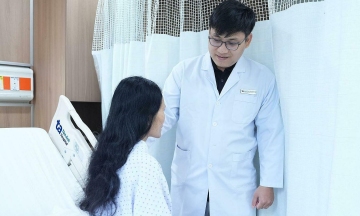
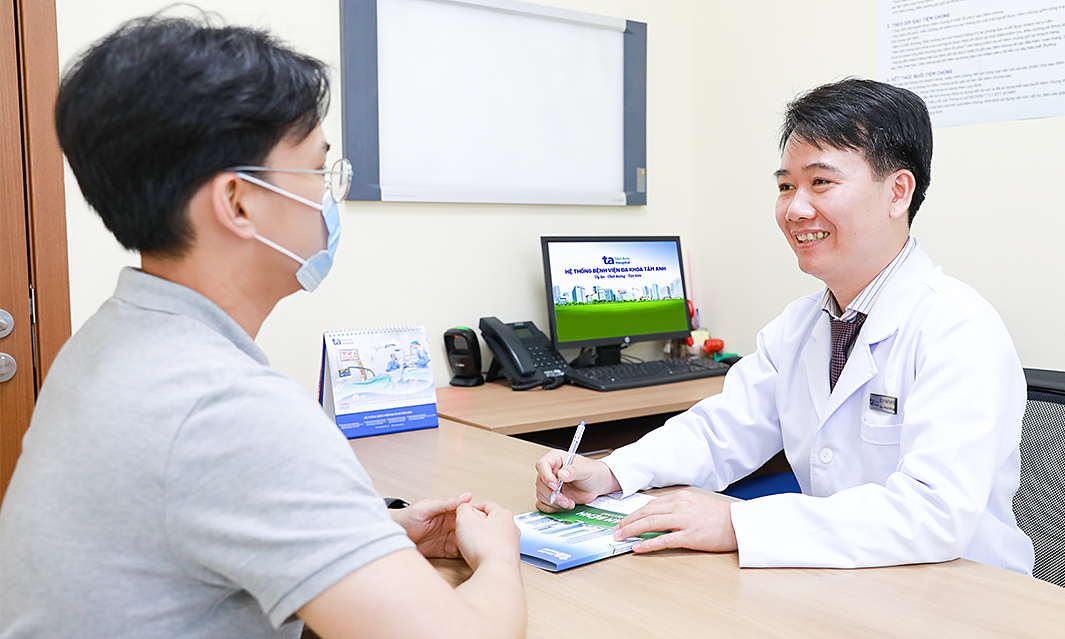
Master Doctor Lam Thien Kim, Head of Pediatric Surgery at Tam Anh General Hospital TP HCM, reported that Tien suffered from complicated internal and external hemorrhoids, causing significant pain and anal skin tags. Her condition no longer responded to medical treatment.
The surgical team performed a hemorrhoidectomy on Tien using the Milligan-Morgan technique, an open surgical procedure to individually remove each hemorrhoid. According to Doctor Kim, this method is highly effective, has a low recurrence rate, and few complications like anal stenosis.
After 20 minutes, all hemorrhoids were removed. Doctor Kim also excised the excess anal skin and closed the incision. Tien received post-operative monitoring and care, and was discharged after three days.
 |
Doctor Kim (left) and the Pediatric Surgery team perform a hemorrhoidectomy for Tien. Photo: Tam Anh General Hospital |
Doctors instructed the family on how to care for Tien's wound at home, with a follow-up appointment scheduled for one week later. The patient needs to drink enough water, consume plenty of fiber in her meals, avoid squatting, and refrain from strenuous activity in the first few weeks after surgery.
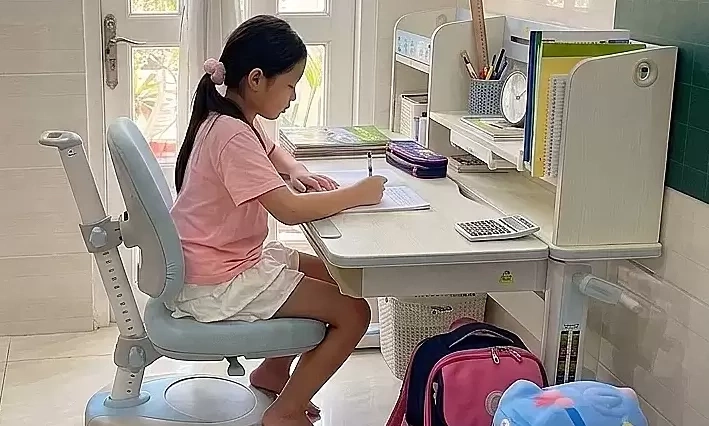
Hemorrhoids are a common condition typically seen in middle-aged adults, between 34-44 years old, and are more prevalent in men. Diarrhea and constipation are risk factors that contribute to hemorrhoid formation and recurrence. Doctor Kim noted a recent trend of hemorrhoids appearing in younger individuals, aged 15-16. This is primarily attributed to sedentary lifestyles, diets low in fiber, insufficient water intake, and frequent consumption of fast food, all of which increase the risk of constipation. In Tien's case, her hemorrhoids developed due to prolonged constipation.
For mild hemorrhoids (grade one, grade two), doctors typically prioritize medical treatment with medication combined with dietary changes. If hemorrhoids do not respond to medical treatment, minimally invasive procedures are indicated to shrink them without surgery. Surgery is reserved for grade 3 or grade 4 hemorrhoids, or those with complications such as prolapsed strangulated hemorrhoids, thrombosed hemorrhoids, or severe bleeding.
Prolonged constipation often causes children to strain during bowel movements, increasing pressure on the anal venous system. Therefore, early detection and treatment of constipation help reduce the risk of hemorrhoids developing or worsening.
Doctor Kim advises parents to proactively prevent constipation in children by establishing a scientific diet and healthy toilet habits. If parents notice any abnormal signs in the anal region, such as pain, bleeding during defecation, or a palpable lump, they should seek medical examination for their child promptly.
Glan Don
* Character's name has been changed
| Readers can submit questions about children's health here to be answered by doctors |