Eng English
China 中国人

Eng English
China 中国人
  • News
  • World
  • Business
  • Entertainment
  • Sports
  • Law
  • Education
  • Health
  • Lifestyle
  • Travel
  • Science
  • Digital
  • Automobiles
  • Trở lại Thể thao
  • Health
Monday, 5/10/2026 | 13:04 GMT+7

What to do when blood vessels appear on the white of the eye?

Red spots appearing on the white of the eye are typically caused by ruptured small blood vessels beneath the conjunctiva; most are naturally reabsorbed and disappear within a few weeks.

Red spots or visible blood vessels in the eye are typically associated with subconjunctival hemorrhage, which occurs when a small blood vessel beneath the conjunctiva ruptures, causing blood to pool on the white part of the eye. While the red patch may appear concerning, it is usually painless, does not affect vision, and often resolves spontaneously, similar to a bruise on the skin. According to Verywell Health, the body gradually reabsorbs this blood, allowing patients to continue normal activities during recovery.

The red spot may initially be bright red, sometimes spreading slightly more within the first 24-48 hours. Subsequently, it fades, turning brown or yellow before disappearing entirely. This process typically lasts about three weeks.

Avoid rubbing eyes and straining

Although no specific treatment is needed, it is advisable to limit factors that could cause further damage or re-bleeding. Avoid rubbing or applying strong pressure to the eyes. If participating in sports or working in an occupation with a risk of eye injury, protective eyewear should be used.

Activities that increase pressure in the head, such as coughing, sneezing, vomiting, or straining during bowel movements, can also be associated with ruptured blood vessels. Individuals with chronic constipation should address the underlying cause and may increase dietary fiber as appropriate. Contact lens wearers should pay attention to proper insertion, removal, and cleaning to minimize irritation or damage to the eye surface.
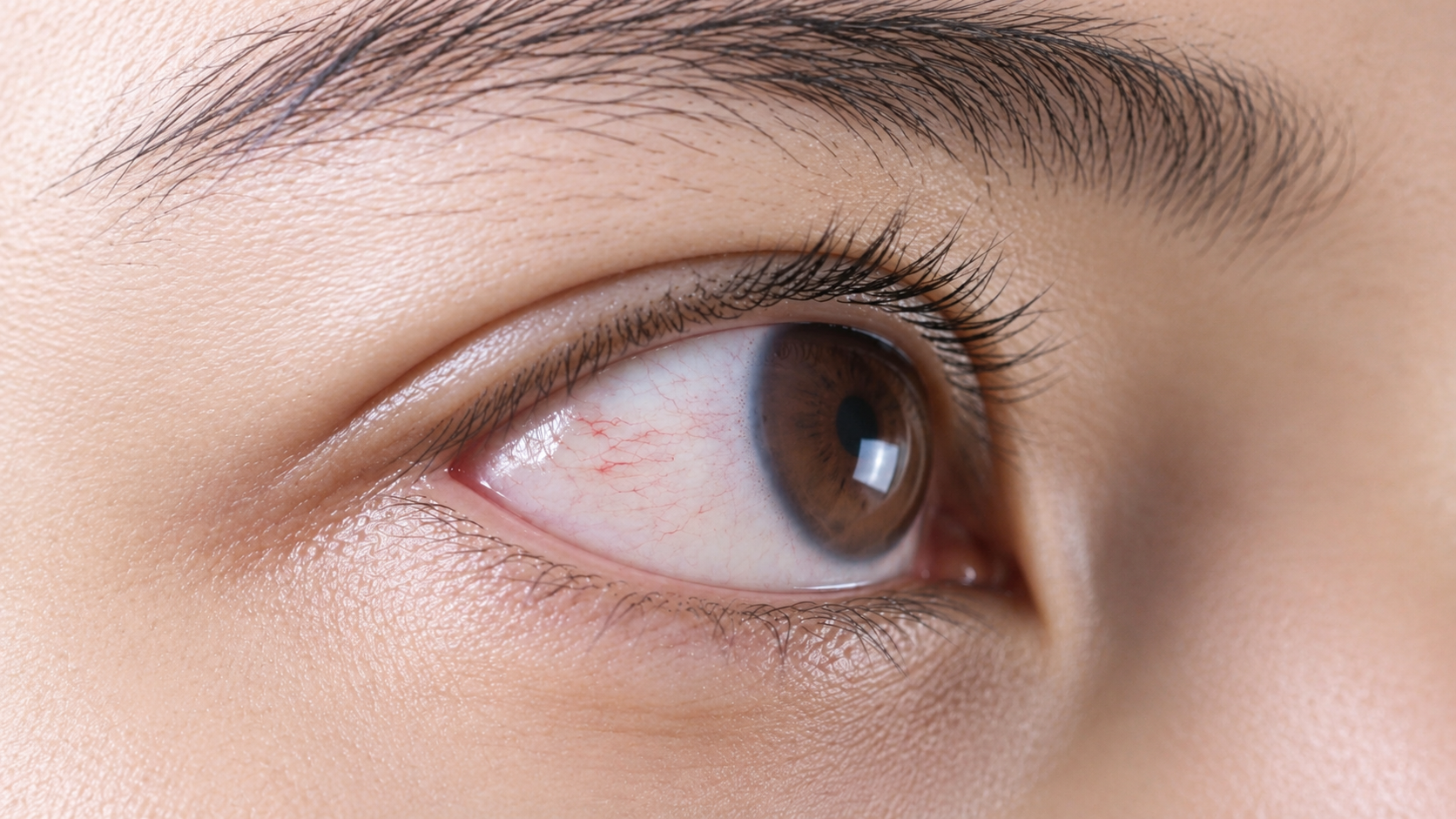
Blood vessels with red spots in the eye can be related to subconjunctival hemorrhage or eye irritation. *Illustration: AI*

Do not stop anticoagulants without medical advice

Some people experience subconjunctival hemorrhage linked to medications that increase bleeding risk, such as anticoagulants or aspirin. However, individuals using these medications should not arbitrarily stop or change their dosage if they notice red spots in their eyes.

If the condition recurs, a doctor can evaluate related factors such as blood pressure, bleeding disorders, or underlying medical conditions to determine the cause and appropriate course of action.

Persistent red spots or accompanying eye pain require examination

Most cases are not concerning and resolve on their own. However, medical attention should be sought if the red spot does not disappear after a few weeks, appears repeatedly, or has an unknown cause. In particular, accompanying eye pain or vision loss are signs that require early examination, as these symptoms may not be consistent with a simple subconjunctival hemorrhage and warrant ruling out other eye injuries. According to WebMD, if subconjunctival hemorrhage recurs, an ophthalmologist should also evaluate it to find the cause and reduce the risk of recurrence.

Overall, for simple red spots on the white of the eye that are painless and do not affect vision, time is usually the most important factor for eye recovery. Patients do not need to seek ways to quickly dissolve the blood but should avoid rubbing their eyes, limit the risk of injury, and monitor the progression.

Bao Bao (Compiled)

Readers can send questions about ophthalmic diseases here for doctors to answer.
By VnExpress: https://vnexpress.net/lam-gi-khi-long-trang-mat-noi-mach-mau-5128430.html
Tags: conjunctiva hemorrhage eye blood spots

News in the same category

Seemingly harmless post-meal habits can cause blood fat to spike

Seemingly harmless post-meal habits can cause blood fat to spike

Many people routinely lie down or sit motionless for hours after dinner, a habit that, over time, can negatively impact metabolism and elevate blood fat levels, especially when combined with an unhealthy diet.

Factors increasing early myopia risk in children

Factors increasing early myopia risk in children

Prolonged near vision, limited outdoor activity, and insufficient lighting can heighten the risk of myopia in children.

Gaining 18 kg due to polycystic ovaries

Gaining 18 kg due to polycystic ovaries

Ms. Truc, 55, gained 18 kg in one year, experienced irregular periods and irritability, initially attributing it to perimenopause, but doctors diagnosed polycystic ovaries.

Russian plague researcher dies from unknown illness

Russian plague researcher dies from unknown illness

A 28-year-old female plague researcher in Russia suddenly passed away from an "unknown lung disease," prompting authorities to activate epidemic prevention measures.

Staphylococcal pneumonia

Staphylococcal pneumonia

Thanh, 20, experienced persistent chest pain. Doctors believe Staphylococcus aureus from a lip burn led to a lung infection.

Woman suffers from two vascular syndromes

Woman suffers from two vascular syndromes

Ms. Phuong, 67, experienced years of bloating and indigestion, initially believing it to be a digestive disorder, but doctors diagnosed her with superior mesenteric artery syndrome and nutcracker syndrome.

Is 'one eggplant equals three doses of medicine' true?

Is 'one eggplant equals three doses of medicine' true?

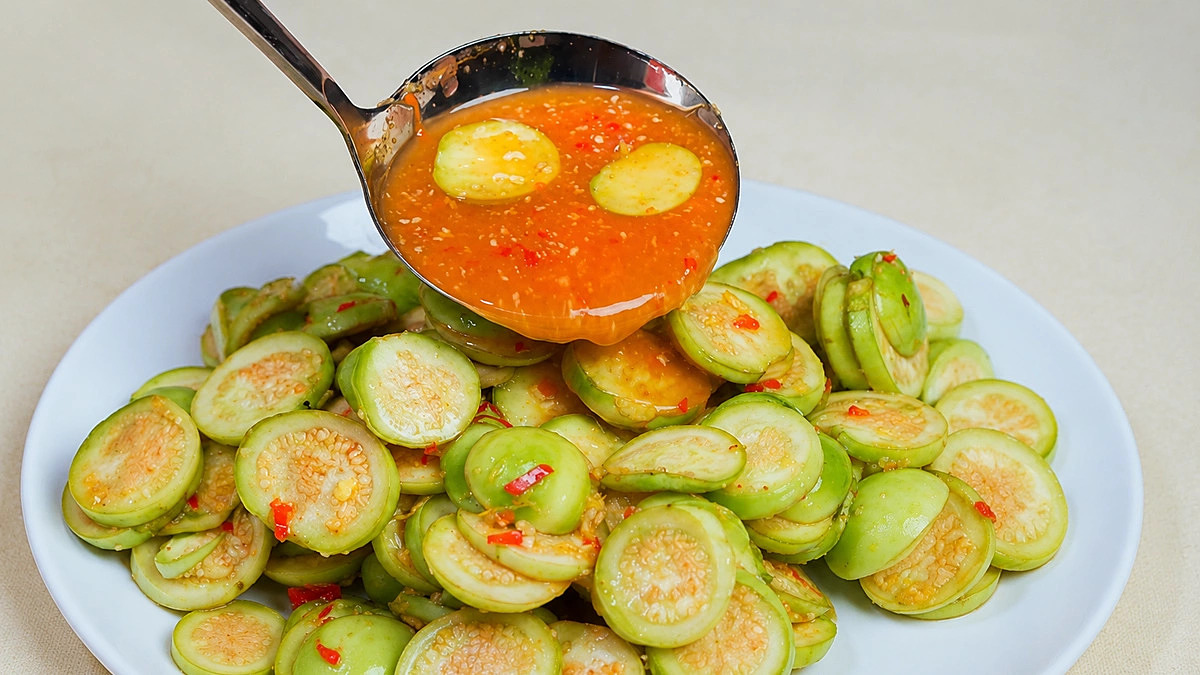
People often say, "one eggplant, three doses of medicine," implying eggplants are toxic. My family regularly eats pickled eggplant, so is it dangerous? (Hai, 54, Phu Tho).

Three drinking habits that may signal urinary tract diseases

Three drinking habits that may signal urinary tract diseases

Drinking too little water, only drinking when thirsty, or consistently drinking excessive amounts are habits that affect urine volume and may indicate urinary tract issues.

Elderly woman diagnosed with cerebral salt wasting syndrome

Elderly woman diagnosed with cerebral salt wasting syndrome

Ms. Thoa, 94, was diagnosed with cerebral salt wasting syndrome, a condition where the kidneys excrete too much sodium, after experiencing a sudden drop in blood sodium levels.

Chinese doctor points to three "hidden killers" that spike blood sugar

Chinese doctor points to three "hidden killers" that spike blood sugar

Nephrologist Lin Xuanren (Taiwan) warns that refined starches, salty processed foods, and alcoholic beverages increase blood sugar despite not tasting sweet.

Eng English
China 中国人
  • News
  • World
  • Business
  • Entertainment
  • Sports
  • Law
  • Education
  • Health
  • Lifestyle
  • Travel
  • Science
  • Digital
  • Automobiles
FPT Tower, 10 Pham Van Bach Street, Dich Vong Ward,
Cau Giay District, Hanoi, Vietnam
Email: contacts@vnportal.net
Tel: 028 7300 9999 - Ext 8556
Advertise with us: 090 293 9644
Register
© Copyright 2026 vnnow.net. All rights reserved.
Terms of use Privacy policy Cookies