A stroke occurs when blood flow to a part of the brain is interrupted or blocked, depriving brain cells of the oxygen and nutrients needed to function. This is a medical emergency that requires prompt treatment to reduce the risk of death and long-term complications.
Not all strokes present with warning signs. However, in some individuals, the body may emit warning signals days or even weeks before a stroke actually occurs.
Severe or unusual headaches
A severe headache, appearing suddenly or different from previous headaches, can be an early sign of an ischemic stroke.
In 2020, scientists from Ural State Medical University (Russia) and the University of Copenhagen (Denmark) conducted a study to assess the link between headaches and stroke risk. The participant group included 550 adults: 275 patients with ischemic stroke and 275 individuals who had not experienced a stroke.
Results showed that approximately 15% of stroke patients experienced unusual headaches within one week before onset, a significantly higher rate compared to the control group. The authors suggest that severe or unusual headaches could be an early warning sign of stroke in some individuals.
These headaches are often severe, prolonged, and do not significantly subside even with pain medication. Researchers also noted that the group experiencing pre-stroke warning headaches was more frequently associated with atrial fibrillation, a type of heart rhythm disorder that increases the risk of blood clot formation.
One-sided body weakness or numbness
Weakness in the arms, legs, or facial numbness, especially when occurring only on one side of the body, is a classic stroke symptom. Patients may find it difficult to grasp objects, walk, or perform daily activities. Some cases involve a sudden loss of strength in an arm or leg.
Difficulty speaking, slurred speech
A blood clot in the brain can affect the language-controlling region, leading to difficulty speaking, unclear pronunciation, or an inability to understand others' speech. Some individuals remain conscious but struggle to form complete sentences or express their thoughts.
Vision disturbances
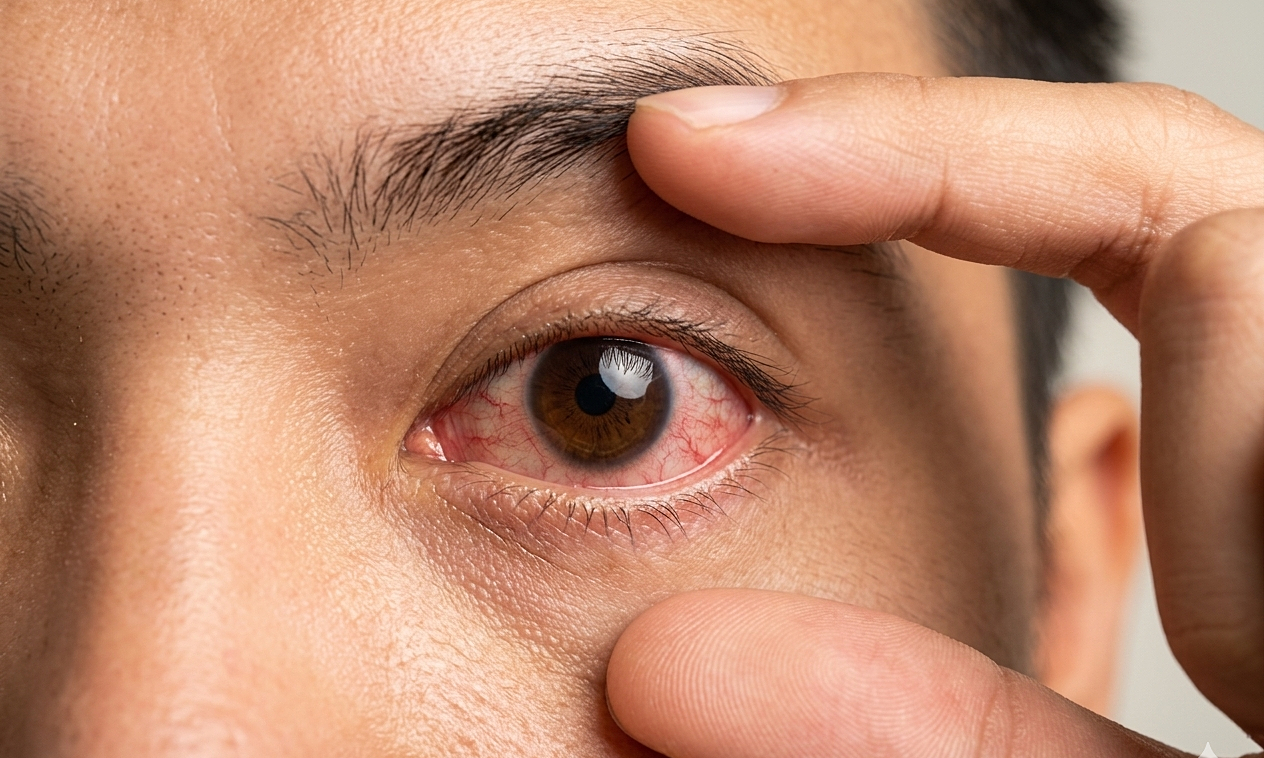
Sudden changes in vision can also indicate a stroke. Warning symptoms include blurred vision, double vision, or vision loss in one or both eyes. These changes typically appear quickly, sometimes accompanied by dizziness or other neurological disorders due to interrupted blood flow to the brain.
Loss of balance, dizziness
Some individuals may feel lightheaded, unsteady when walking, or lose motor coordination before a stroke occurs. Sensations of the room spinning, difficulty maintaining balance, or unexplained falls can indicate that the brain is not receiving sufficient blood and oxygen.
Confusion, difficulty understanding speech
Sudden confusion, disorientation, or difficulty understanding simple sentences are also signs to watch for. Patients may struggle to follow conversations, respond slowly, or not recognize familiar people. According to experts, this indicates that the brain is lacking oxygen.
Nausea or seizures
Unexplained nausea and vomiting, especially when accompanied by headaches or dizziness, can be linked to increased pressure in the brain caused by a blood clot. Some cases also involve seizures, loss of consciousness, or abnormal movements. These can be the first symptoms of cerebral artery blockage in certain patients.
Experts recommend controlling blood pressure, cholesterol, and blood sugar levels appropriately; treating heart conditions as advised by a doctor; maintaining a healthy weight; exercising regularly; limiting saturated fats; and quitting smoking. Early recognition of warning signs and seeking immediate medical attention upon the appearance of unusual symptoms can increase the chances of successful treatment and reduce the risk of severe complications.
Bao Bao (According to Healthline, Times of India)