Kidney disease is often called a "silent killer" because individuals may lose up to 90% of kidney function before noticeable symptoms appear. Unlike heart disease or diabetes, kidney problems typically do not cause acute pain or prominent early manifestations. Instead, the disease can present with vague signs such as fatigue, skin issues, digestive disorders, or urinary tract symptoms. This makes early detection difficult but essential, emphasizing the importance of early kidney care and protection.
Kidneys function as a blood filtration system, removing waste and regulating fluid and chemical balance in the body. They excrete urea and excess water, maintain essential mineral levels like sodium and potassium, and support blood pressure control. Additionally, this organ aids in red blood cell production. Despite continuous and vital activity, kidneys can be silently damaged.
Many cases of kidney disease are preventable through scientific lifestyle habits. Doctor Amar Kulkarni, a nephrologist at Medicover Hospitals, Navi Mumbai, India, shares 5 "golden rules" to protect kidney health:
Stay adequately hydrated: According to studies, sufficient water intake helps kidneys filter waste more effectively and reduces the risk of kidney stones. Each person should drink about 1.8-2 liters of water daily to aid toxin elimination. However, individuals with existing kidney conditions should avoid excessive water intake without a doctor's guidance.
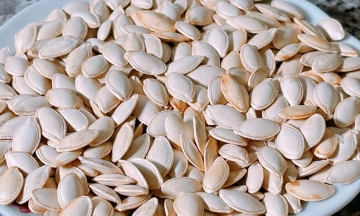
Maintain a healthy diet: A diet rich in fresh fruits, green vegetables, and whole grains can support kidney function. It is advisable to limit salt, processed foods, and sugary drinks, as these factors increase the risk of high blood pressure and diabetes – two primary causes of kidney disease. Some kidney-friendly foods include berries, leafy greens, and nuts.
Control blood sugar and blood pressure: Regular monitoring and good control of blood pressure and blood sugar through diet, exercise, or medication when necessary can help reduce stress on the kidneys and prevent long-term damage.
Exercise regularly: Physical activity improves blood circulation, reduces pressure on the kidneys, and helps control blood pressure and blood sugar. Individuals should maintain at least 45 minutes of walking, swimming, or cycling, about 5 days each week.
Undergo regular health check-ups: Early detection of kidney problems allows for timely treatment and limits complications. Experts recommend frequent health examinations and necessary tests to monitor kidney function, especially for those with diabetes or high blood pressure. Patients should not self-medicate with over-the-counter pain relievers without a doctor's prescription.
Bao Bao (According to Times of India)