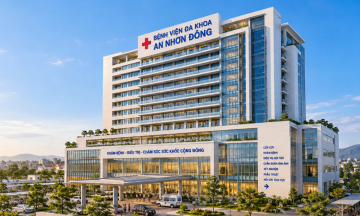
Two months ago, Mr. Dien was pushing his motorbike when he suddenly fainted, regaining consciousness a few minutes later. He resumed normal activities in the following weeks and did not seek medical attention. Recently, he fainted three more times, prompting him to visit Tam Anh General Hospital Ho Chi Minh City for a check-up.
Master of Science, Dr. Pham Do Anh Thu, Head of the Heart Valve Disease Unit at the Cardiology Center, stated that the patient's symptoms suggested cerebral ischemia or cardiac arrhythmia. A brain CT scan revealed no abnormalities, and an electrocardiogram (ECG) only identified two brief episodes of atrial tachycardia. However, a coronary CT angiography showed that the heart's nourishing blood vessels, including the anterior interventricular artery, right coronary artery, and circumflex artery, were narrowed by 60% to 90%, which was the cause of the fainting. Syncope, however, is not a specific symptom of coronary artery disease, making it easy to overlook or mistake for neurological conditions, hypoglycemia, or cardiac arrhythmia.
Mr. Dien's advanced age, long-standing hypertension, and diabetes, coupled with ventricular tachycardia – a severe form of arrhythmia – contributed to his condition. These factors accelerated the atherosclerosis process, leading to triple-vessel coronary artery disease.
Professor, Dr. Vo Thanh Nhan, Director of the Interventional Cardiology Center at Tam Anh General Hospital Ho Chi Minh City, assessed the patient's coronary system as severely narrowed. This severe narrowing prevented the heart from pumping blood efficiently to meet the body's demands. He cautioned that without immediate angioplasty, myocardial ischemia could rapidly worsen, increasing the risk of heart failure and cardiac arrest.
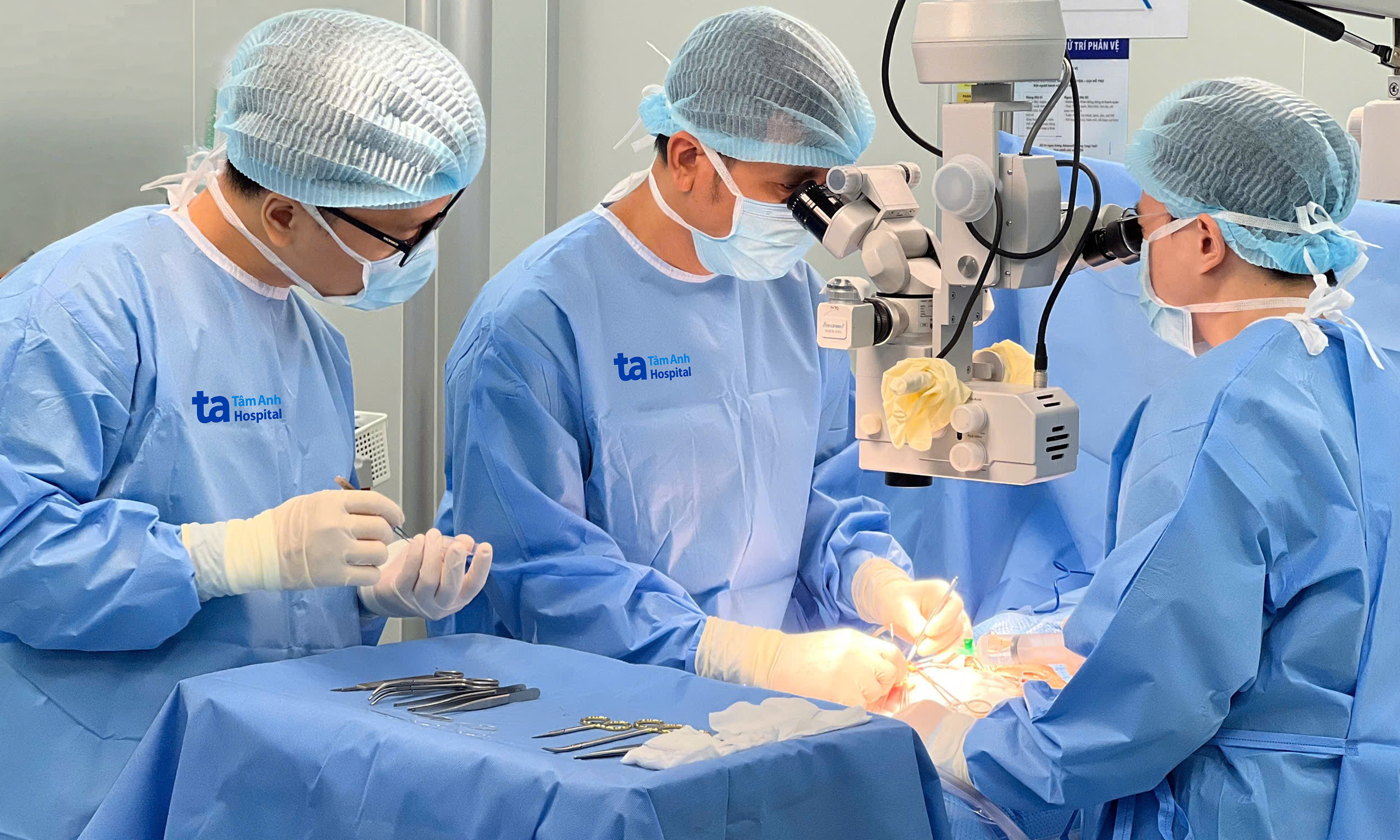
The medical team guided wires through the blocked coronary vessels, using balloons to reopen blood flow. Combined with intravascular ultrasound (IVUS), three stents were sequentially placed to expand the three heart-nourishing blood vessels. One day after the intervention, the patient recovered, resumed normal activities, and was discharged.
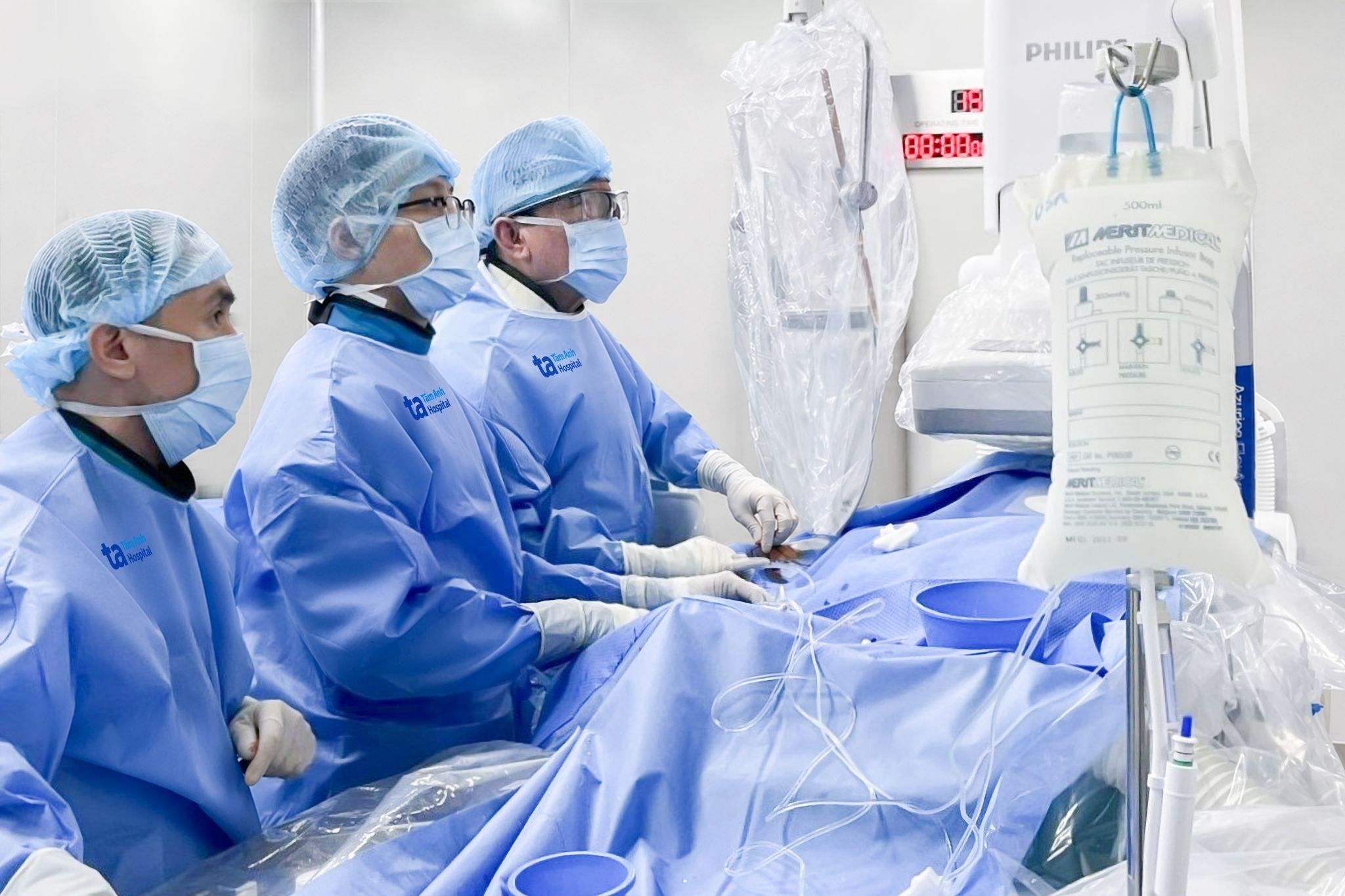 |
Professor Nhan (far right) and his team placed stents to expand three severely narrowed heart arteries for the patient. *Photo: Tam Anh General Hospital*
Coronary artery disease occurs when the major blood vessels supplying the heart become narrowed or blocked by atherosclerotic plaque. Unlike acute coronary syndrome (where coronary arteries are acutely blocked due to plaque rupture or thrombosis), chronic coronary artery disease often progresses silently. Symptoms such as chest pain, shortness of breath, rapid heartbeat, sweating, and fatigue only appear when the blood vessels are severely narrowed or completely blocked. At this stage, the disease has progressed significantly, leading to dangerous complications like heart failure, cardiac arrhythmia, myocardial infarction, and even sudden death.
Atherosclerosis is the primary cause of coronary artery narrowing. This is a gradual buildup of plaque within arteries throughout the body. Factors that accelerate this process include age (men over 45 and women over 55), family history, diets high in saturated fat, lack of physical activity, smoking, alcohol consumption, prolonged stress, and chronic conditions such as: hypertension, diabetes, and dyslipidemia.
The most recognizable symptom of coronary artery disease is angina, which is chest pain that can radiate to the neck, jaw, shoulders, and arms. Shortness of breath, fatigue, bloating, poor digestion, and nausea can also be symptoms of the disease. To prevent the condition, doctors advise everyone, including young adults in their 20s and 30s, to adhere to a healthy diet and lifestyle, avoid overweight and obesity, exercise regularly, and undergo cardiovascular check-ups every six months.
By Thu Ha
*Patient's name has been changed
| Readers can submit questions about heart disease here for doctors to answer. |