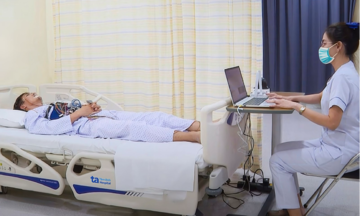
Initially, his symptoms were vague. He believed it was a minor infection, so he drank water and monitored himself, expecting his body to recover. However, after one week, the burning sensation intensified, especially when his bladder was full, prompting him to seek medical attention.
Doctor, Specialist Level 2 Tra Anh Duy, from Men's Health Center, reported that PCR tests confirmed the patient was positive for Chlamydia bacteria. White blood cells in his urine were slightly elevated, indicating urethritis caused by Chlamydia. The patient received antibiotic treatment according to protocol, and his condition rapidly improved. Doctor Duy noted that if the patient had delayed seeking care by a few more weeks, the urethritis could have spread to the epididymis and testicles, potentially reducing sperm quality and affecting reproductive function.
In fact, urology clinics often see a slight increase in patients seeking treatment for sexually transmitted infections (STIs) after New Year parties. A common factor among many patients is excessive alcohol consumption and engaging in unsafe sexual activity while intoxicated. Common STIs include Chlamydia, gonorrhea, syphilis, human papillomavirus (HPV), and human immunodeficiency virus (HIV). Chlamydia and gonorrhea can cause urethritis, epididymitis, and testicular inflammation. Syphilis is dangerous because its initial lesions are painless, while HPV can cause genital warts.
HIV remains the greatest concern when engaging in unsafe sex while intoxicated. Individuals at risk must use post-exposure prophylaxis within the "golden window" of 72 hours.
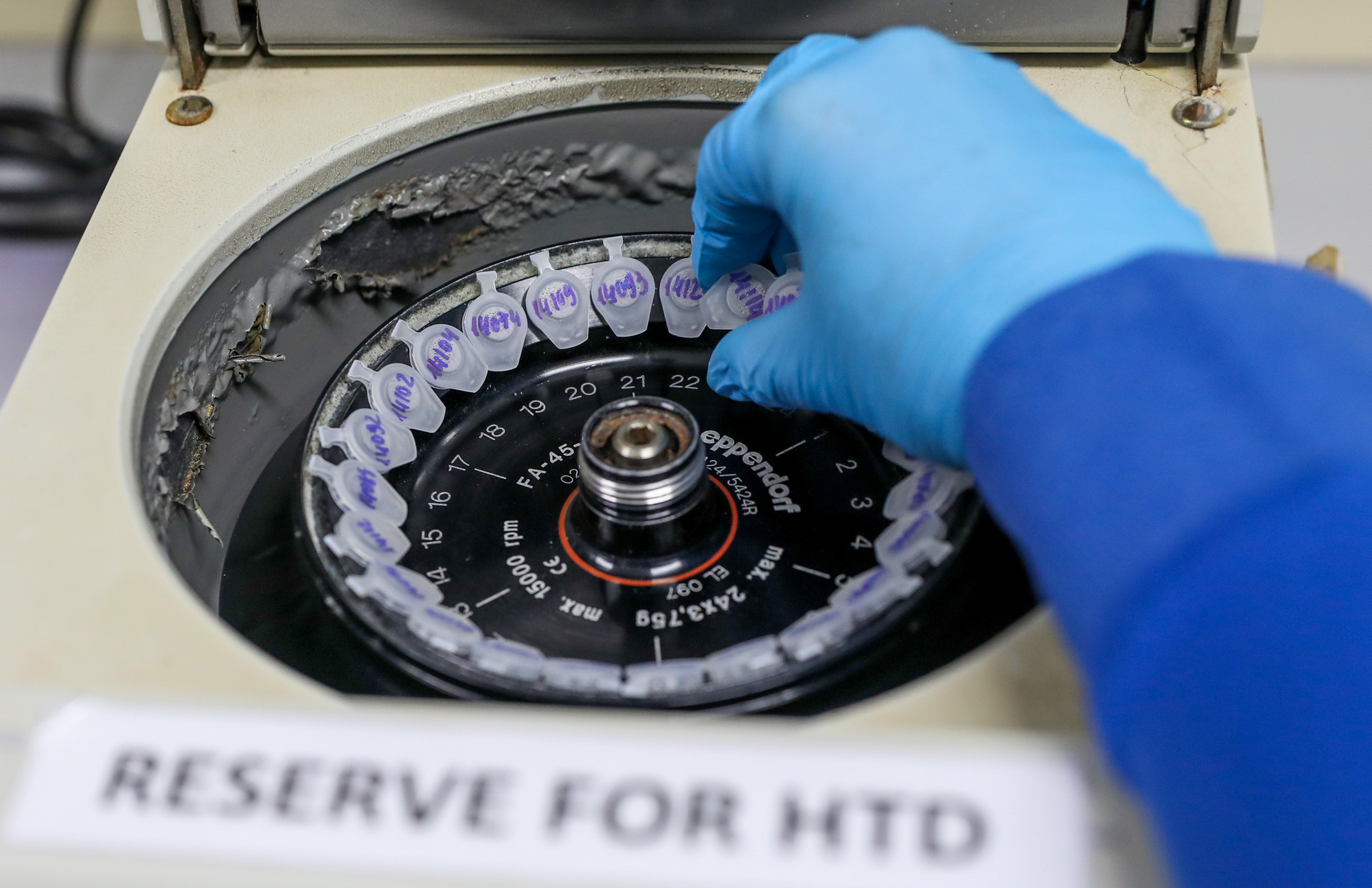 |
PCR testing for infectious diseases. Photo: Quynh Tran |
According to Doctor Duy, when blood alcohol concentration rises, the ability to assess risk and control behavior significantly diminishes. This explains why many individuals who are usually cautious in daily life are more prone to making impulsive decisions during celebrations, such as having unprotected sex with new acquaintances.
Beyond alcohol, the party atmosphere—with music, lights, the excitement of completing a year of work, and peer encouragement—also makes many people lower their guard. Numerous cases show that intimate conversations, a few close gestures, or impulsive invitations can lead to uncontrolled behavior.
One reason many people are complacent is the belief that "if someone looks healthy, they don't have a disease." In reality, most STIs do not show clear symptoms in their early stages. Chlamydia is a prime example, as most infected men only experience mild painful urination or no unusual signs at all.
Another misconception is that oral sex is considered "safe." However, many diseases like gonorrhea and syphilis can still be transmitted this way. They often progress silently, making infected individuals unknowingly transmit the infection to their partners.
Many men believe that mild symptoms, such as transient painful urination or discomfort, are not serious. In reality, prolonged inflammation can damage the reproductive tract, affect sperm quality, and increase the risk of infertility. Moreover, chronic inflammation can impact hormone levels, reducing testosterone, causing fatigue, decreased libido, and diminished sexual performance.
"Feelings of apprehension and shame lead many people to self-treat or delay seeking medical attention, causing the disease to worsen and become more difficult to treat", the doctor said.
Experts recommend limiting alcohol consumption as the most crucial way to maintain sobriety and control behavior. Proactively using condoms during sexual activity is not a sign of being unserious, but rather a way to respect one's own health and that of one's partner.
If you have engaged in risky behavior, you should get tested early, even if you do not yet have symptoms. Current tests can detect many STIs early, enabling timely treatment and preventing complications.
Le Phuong