Many people believe that exposing children to the elements, like sun and rain, strengthens their immunity. However, there is no scientific evidence to suggest that intentionally letting children play in the rain builds antibodies or enhances the immune system. Antibodies develop only when the body encounters pathogens or through vaccination; rainwater does not stimulate immunity. Conversely, rapid urbanization and the expansion of industrial and service sectors lead to air pollution. Consequently, rainwater can now contain many harmful substances.
According to the World Health Organization (WHO), pollutants such as sulfur dioxide (SO₂), nitrogen dioxide (NO₂), and fine dust can harm the respiratory system, especially in young children. As raindrops fall, they collect these dust particles and substances, making rainwater less clean than many people assume.
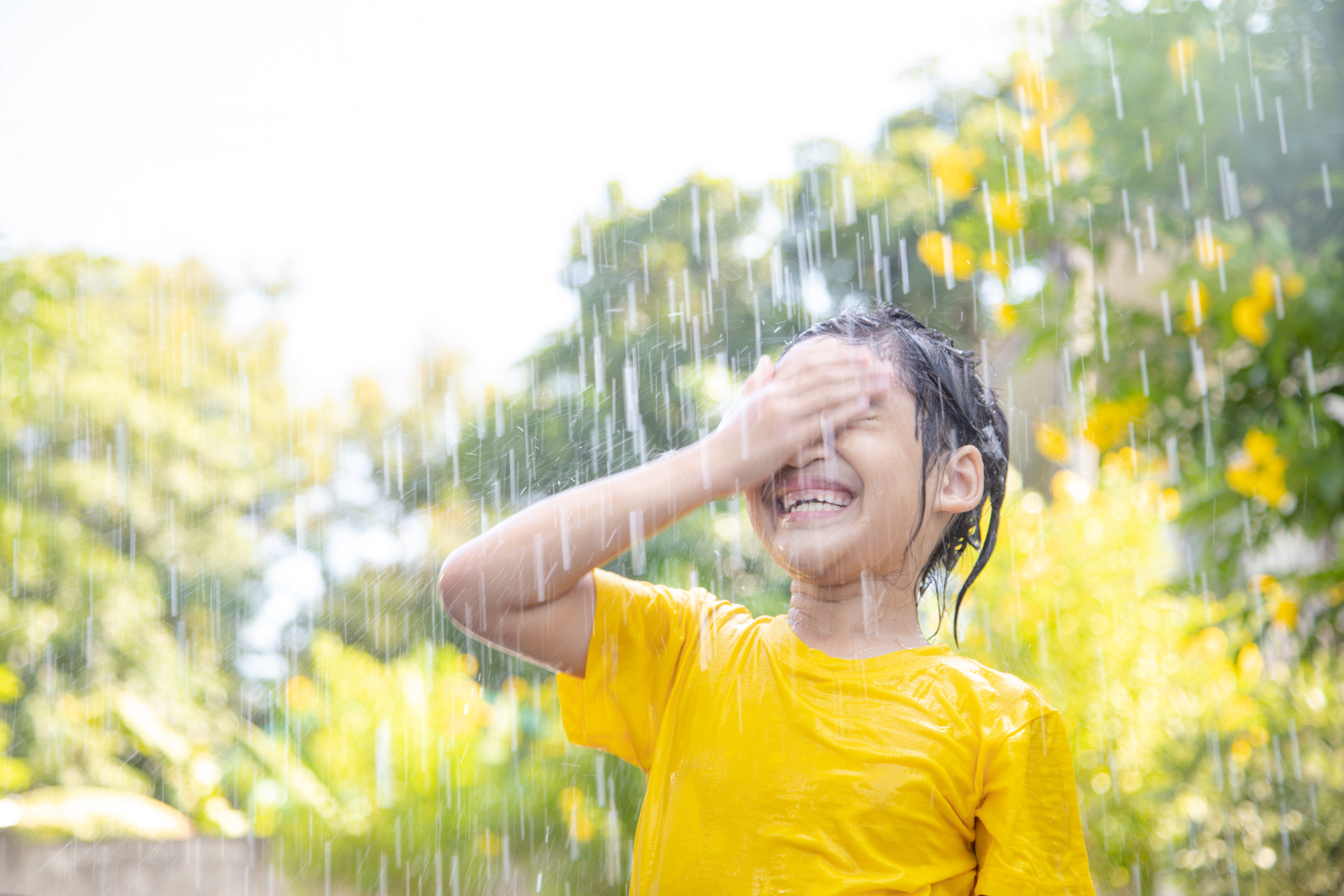 |
Playing in the rain does not help a child's body produce specific immune antibodies against infectious agents. Photo: Vecteezy
Beyond environmental contaminants, prolonged exposure to rain poses direct health risks. When children play in the rain for too long, wet clothes can cause their bodies to become cold, irritating and weakening the protective barrier of their respiratory mucous membranes. This creates an opportunity for viruses and bacteria to enter. Some bacteria, such as pneumococcus and meningococcus, which normally reside in the nose and throat of healthy individuals, can cause illness when these mucous membranes are damaged.
Furthermore, summer rain creates a warm, humid environment conducive to mosquito breeding, increasing the risk of dengue fever and Japanese encephalitis. These two diseases can occur and lead to severe complications, even in individuals with strong immune systems.
To genuinely boost immunity, children need a healthy lifestyle: eating a sufficient and varied diet, maintaining a consistent sleep schedule, engaging in appropriate physical activity, and playing outdoors during safe times, avoiding harsh sun and thunderstorms. Additionally, it is essential to ensure full vaccination, especially against common summer diseases such as influenza, pneumococcal disease, meningococcal disease, chickenpox, measles, mumps, dengue fever, and Japanese encephalitis.
If a child gets wet in the rain, give them a quick warm bath, dry their body and hair thoroughly, and dress them in warm clothes to prevent a cold. If a child experiences a high fever, persistent cough, rash, or seizures, they should be taken to a medical facility for prompt treatment.
Doctor Tran Huynh Tan
Medical Manager, VNVC Vaccination System
Readers can submit vaccine-related questions for the doctor to answer here.