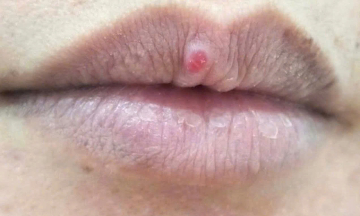
You do not need to keep your child home from school immediately. Hand, foot, and mouth disease (HFMD) virus spreads through respiratory droplets, feces, and fluid from blisters, particularly quickly in nurseries, classrooms, and play areas. The circulating EV71 strain is highly contagious and can cause severe complications such as encephalitis, myocarditis, pulmonary edema, and respiratory failure. The disease can worsen within hours, and some fatalities have been reported.
Children infected with EV71 sometimes show subtle symptoms, such as blisters on the buttocks or around the anus, without obvious signs on the hands, feet, or mouth. The Ministry of Health recommends monitoring children with high fever, keeping them home from school, and allowing them to return only after recovery. Infected children typically need to rest for at least 10 days from symptom onset. Classmates should be monitored for seven days for signs such as fever, mouth sores, drooling, or rashes on the palms, soles of the feet, knees, and buttocks.
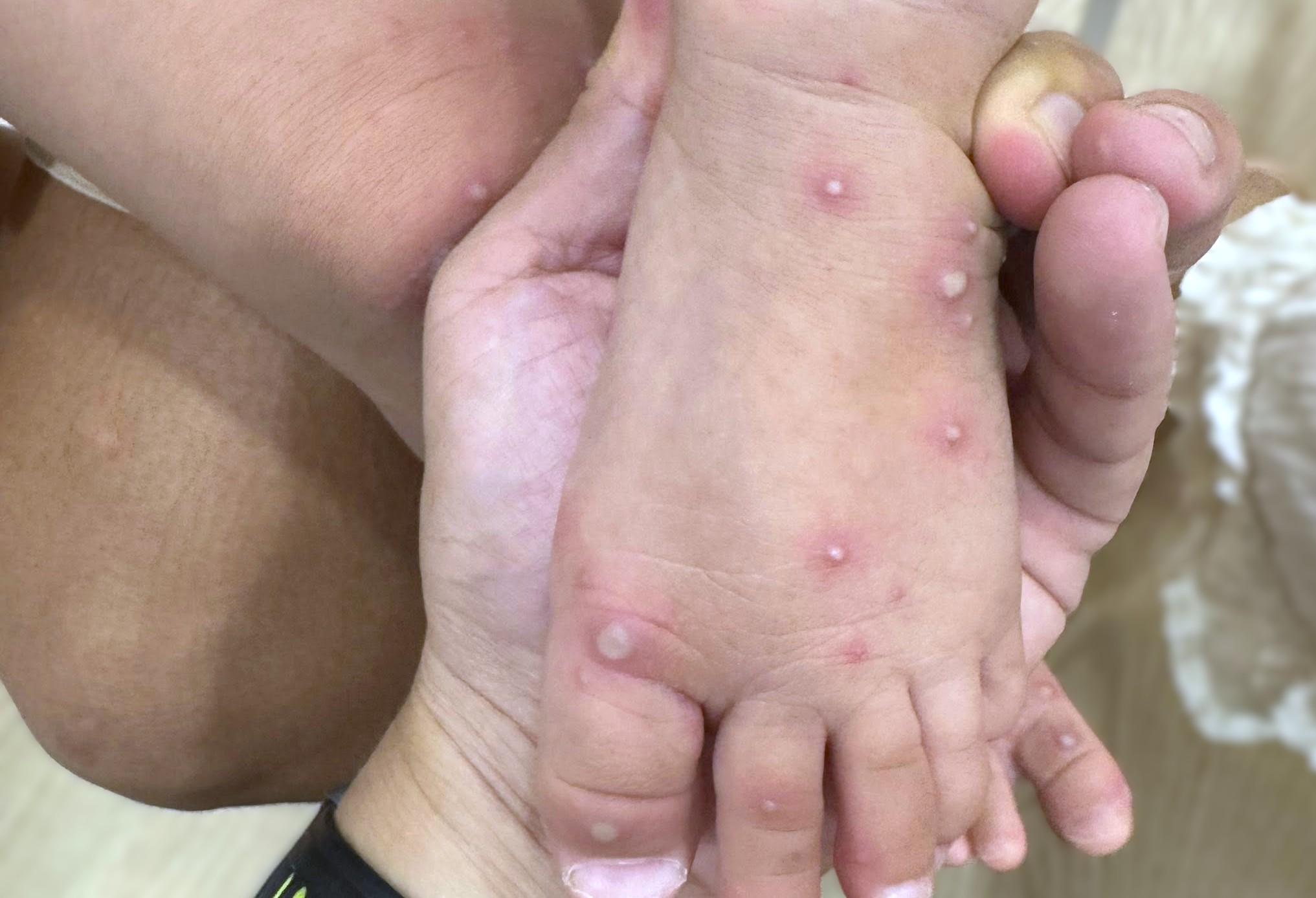 |
Blister rash on the leg of a child with hand, foot, and mouth disease. *Photo: BH*
As mentioned, you do not need to keep your child home immediately. Instead, closely monitor their health according to recommendations and seek early medical attention if any symptoms appear, avoiding traditional remedies. Parents should check the edges of fingers, toes, and the buttocks area, as many children with HFMD develop rashes in hard-to-spot locations, which can be easily missed during hygiene routines.
HFMD is common in children under 10 years old, especially those under five years old. When cases increase and many children become severely ill, parents and schools must enhance classroom hygiene and disinfection, particularly for toys, learning materials, stair railings, and frequently touched surfaces. Children need to boost their immunity through adequate nutrition, sufficient sleep, proper hydration, and vitamin supplementation.
The Ministry of Health has licensed an EV71 vaccine for children aged two months to under six years old. VNVC is currently expediting procedures and preparing the necessary conditions to deploy the vaccine early in Vietnam. The vaccine has demonstrated the ability to provide cross-protection among different EV71 virus sub-genotypes, preventing the risk of infection and reinfection.
Doctor Le Tran Thang
Chief Doctor, VNVC Phan Thiet Immunization Center
Readers can submit questions for vaccine consultation to the doctor here.