Answer:
As darkness falls, the body begins to increase its secretion of melatonin, a hormone crucial for regulating circadian rhythms and signaling the body to prepare for sleep. Melatonin also possesses antioxidant properties. However, the secretion of this hormone is significantly influenced by light and the timing of light exposure throughout the day.
A common mistake in modern lifestyles is insufficient exposure to natural light during the day, coupled with excessive use of artificial light at night, including: phones, tablets, or computers. This habit suppresses melatonin secretion, disrupts circadian rhythms, and makes it difficult for the body to distinguish between times for alertness and rest. Even when using blue light-blocking glasses, we can still be exposed to light from other sources in the room. More dangerously, even with closed eyes, light can penetrate thin eyelids and reach the retina. Therefore, reducing screen time before sleep and limiting evening light exposure remain beneficial measures.
So, should insomniacs keep their room completely dark or use a night light? The answer is to prioritize a dark, quiet, and comfortable bedroom. Beyond turning off the main lights, you should limit unnecessary light sources such as LED indicators on air conditioners, digital clocks, or other electronic devices in the room. Although these LED light sources are small, they contribute to "light pollution" in the sleep environment.
Ensure your room is pitch black, turning off all electronic devices and lights at least 30 minutes before bed. If some light is absolutely necessary, consider candles or warm light that does not contain blue light. Generally, a completely dark bedroom is considered ideal.
Use an eye mask. If your bedroom cannot be completely darkened due to light from windows or streetlights, invest in a good quality eye mask. This simple method prevents any light from penetrating your eyelids, thereby protecting the brain's melatonin secretion process.
Additionally, for good sleep at night, you need sufficient exposure to daylight, especially in the morning. Natural light helps reinforce circadian rhythms, supporting the body in maintaining a stable sleep-wake cycle. Combined with a regular wake-up time and appropriate exercise, this habit can help you feel sleepier in the evening. In cases of jet lag or severe difficulty sleeping, melatonin supplements can be used, but only in very small doses, a maximum of 5 mg. Abusing high doses can lead to side effects like irritability and mood disturbances the following day.
 |
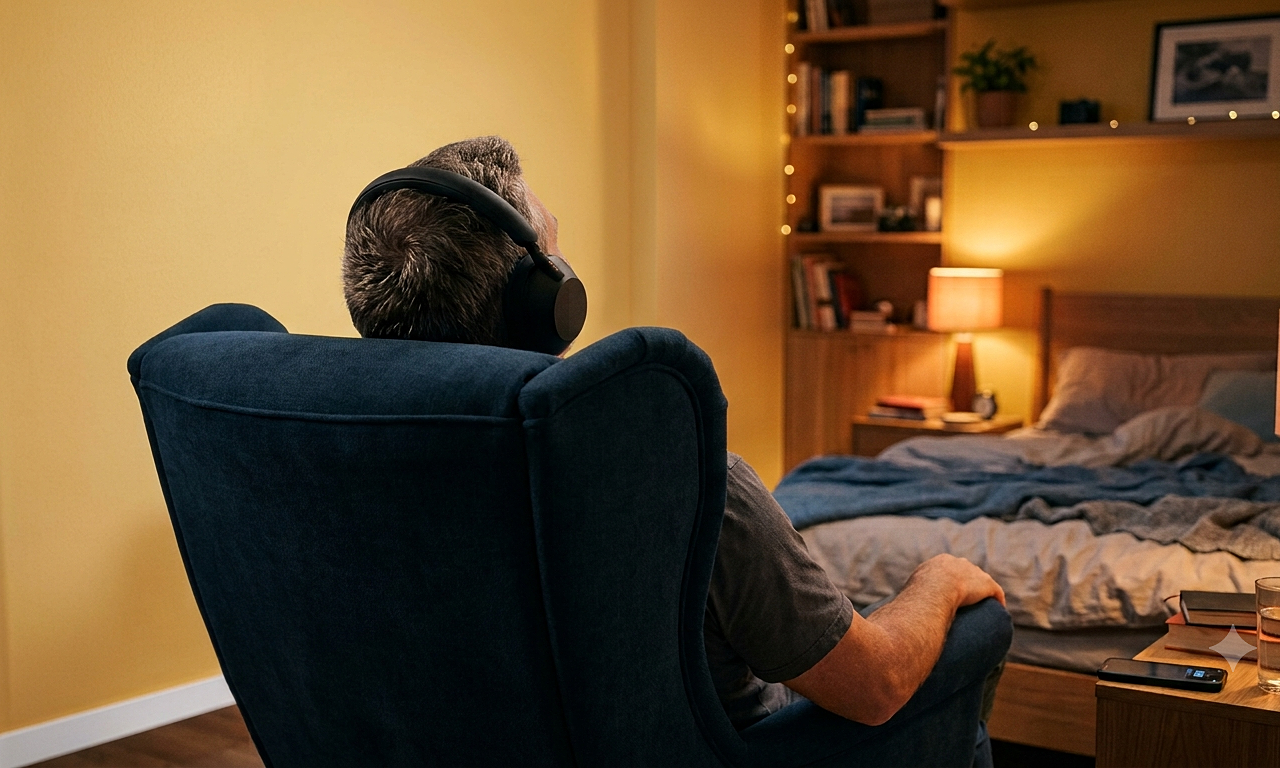
Illustration: AI |
Associate Professor, Doctor Le Xuan Hai
Director of the Center for Immunology - Genetics, National Institute of Hematology and Blood Transfusion