Milk can offer temporary relief for individuals with gastroesophageal reflux disease (GERD) by partially neutralizing stomach acid, which may reduce the burning sensation in the chest. However, this soothing effect is often short-lived.
Full-fat milk, which is high in fat and protein, frequently slows gastric emptying and stimulates acid secretion through the hormone gastrin. It also relaxes the lower esophageal sphincter. These factors can make acid more likely to reflux into the esophagus, leading to heartburn, acid regurgitation, or bloating, especially when consumed in large quantities or at night.
Nevertheless, individual reactions to milk vary. Some people tolerate it well and feel more comfortable after consuming small amounts of warm milk. Therefore, completely avoiding milk is not always necessary; instead, select and consume it appropriately.
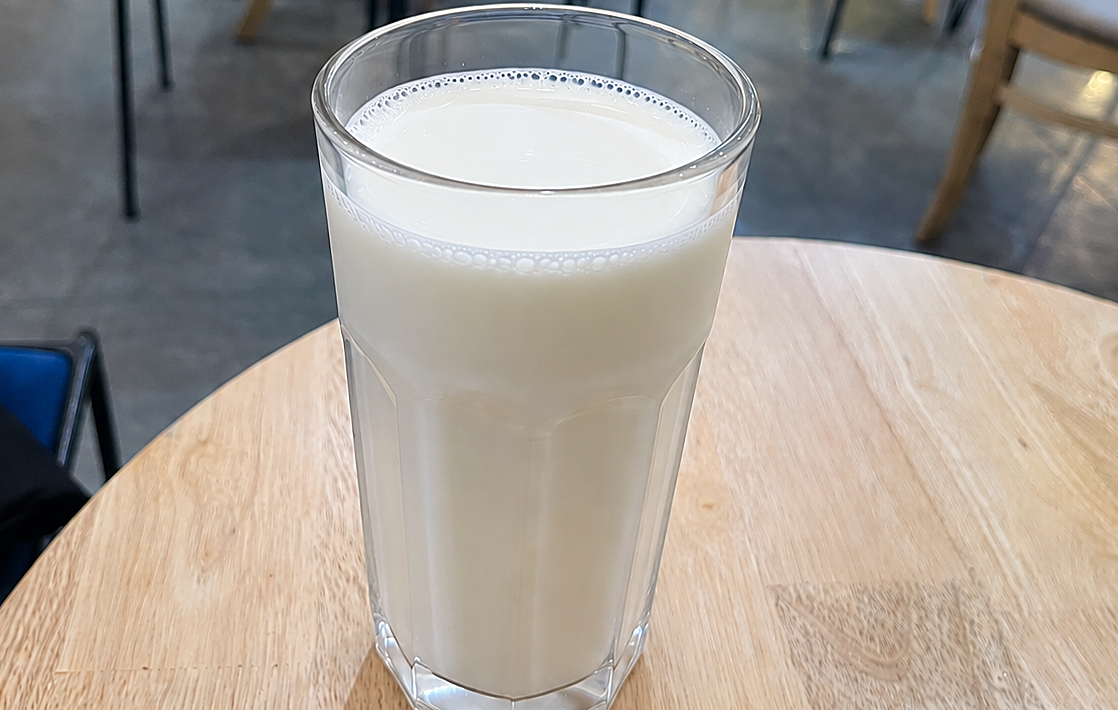 |
People with reflux don't need to completely avoid milk but should choose and use appropriate types. Photo: Ly Nguyen |
People with reflux don't need to completely avoid milk but should choose and use appropriate types. Photo: Ly Nguyen
Prioritize low-fat or skim milk, as it has less impact on stomach motility and reduces the risk of worsening symptoms. Consume milk in moderation, about 100-200 ml per serving, one or two times daily (equivalent to 200-400 ml/day). Dividing the intake helps prevent the stomach from becoming "overloaded," thereby lowering the risk of reflux compared to drinking a large amount at once. Simultaneously, monitor your body's response; if heartburn, bloating, or discomfort occurs after drinking, reduce the amount or temporarily stop consumption.
Avoid drinking milk on an empty stomach or immediately before bed, as this can increase the risk of reflux. The ideal times are after a light meal or between main meals, when the stomach already contains food, helping to limit acid secretion.
Beyond fresh milk, low-fat dairy products like yogurt can be a better option due to their beneficial probiotics, which support gut microbiome balance. However, if you are lactose intolerant, dairy products may still cause bloating, abdominal distension, and exacerbate symptoms.
Individuals with GERD should adjust their lifestyle and adopt healthy eating habits. Limit fried and fatty foods, coffee, alcohol, and chocolate. Avoid overeating, do not lie down immediately after meals, maintain a healthy weight, and ensure adequate sleep.
If reflux symptoms persist, worsen, or are accompanied by warning signs such as difficulty swallowing, weight loss, or vomiting blood, consult a gastroenterologist for examination, diagnosis of the cause, and appropriate treatment.
Nutritionist Nguyen Trung Hieu
Department of Nutrition
Tam Anh General Hospital Hanoi
| Readers can ask questions about digestive diseases here for doctors to answer |