Stress is the body's response to pressure; it improves with proper rest and when the stressor is resolved. Burnout, however, often stems from prolonged stress, leading to fatigue, reduced motivation, difficulty concentrating, and irritability.
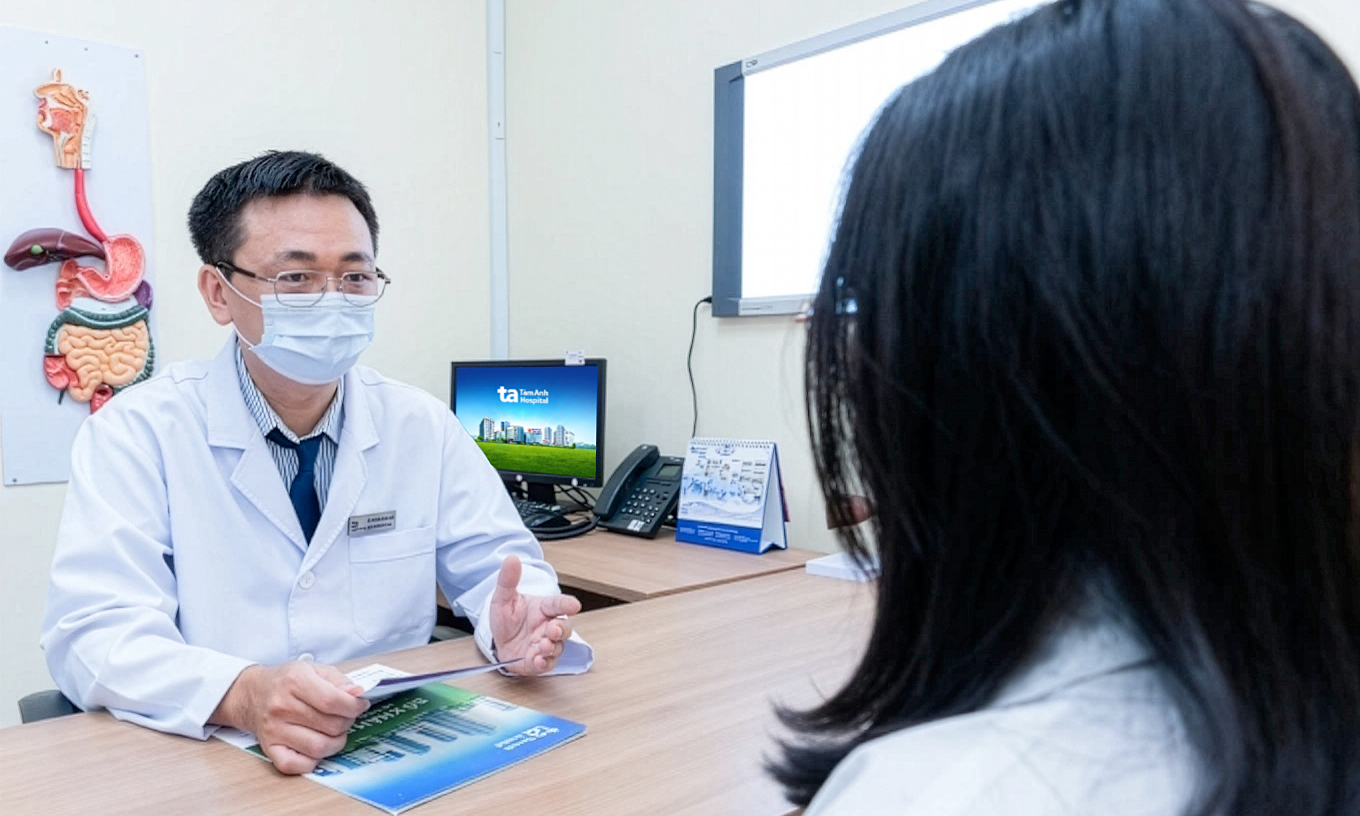
Dr. Nguyen An Khai, from the Psychiatry Unit, Neurology Department at Tam Anh General Hospital Ho Chi Minh City, notes that extended holidays offer an opportunity for rest and reduced work pressure, allowing both body and mind to recover. The effectiveness of these breaks, however, depends on how individuals utilize their time. Continuing late nights, working, or maintaining an unbalanced schedule can increase the risk of prolonged stress and burnout.
Dr. Khai outlines several ways to help the body and mind recover:
Exercise and natural light exposure
Engaging in activities like walking, cycling, swimming, or other light outdoor exercise helps the body relax and maintains a stable circadian rhythm. Avoid over-scheduling trips or travel plans, as this can lead to fatigue from energy depletion.
 |
A woman walks around Hoan Kiem Lake. *Illustration: Giang Huy* |
Reduce work pressure
Temporarily disengage from work by limiting email checks, messages, and after-hours tasks. This allows the brain a crucial break from stressors. Continuous work during a holiday prevents the body from transitioning into a restful state.
Maintain stable sleep
Many individuals use holidays to stay up late, oversleep, or drastically alter their sleep schedules. This disruption makes it challenging for the body to adapt when returning to work, causing fatigue. Aim to maintain a consistent sleep-wake cycle, prioritizing 7-9 hours of sleep nightly rather than excessive daytime napping.
Dedicate time to favorite activities
Engaging in hobbies such as reading, listening to music, gardening, spending time with loved ones, or pursuing personal interests can foster relaxation and benefit brain health. Individuals should choose activities that align with their physical well-being.
Avoid alcohol for stress relief
Some individuals tend to consume more alcohol during holidays. Yet, alcohol can result in poor sleep quality, physical fatigue, and mood fluctuations.
Dr. Khai advises that if fatigue, insomnia, anxiety, sadness, difficulty concentrating, or a lack of interest persist after a holiday, impacting work and daily life, individuals should consult a neurology and psychiatry specialist for a comprehensive evaluation and diagnosis.
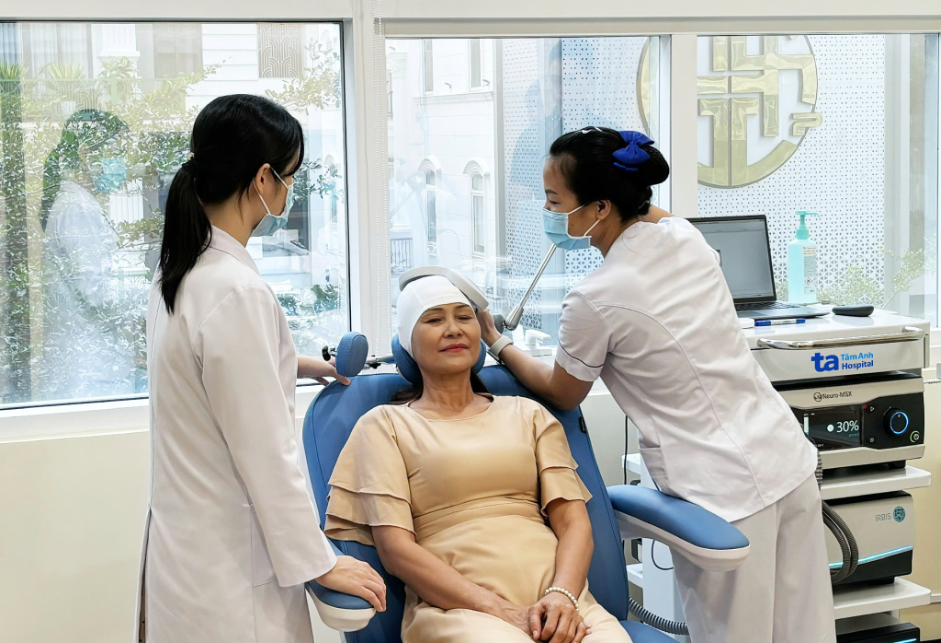 |
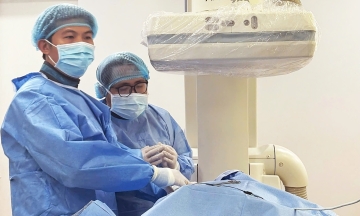
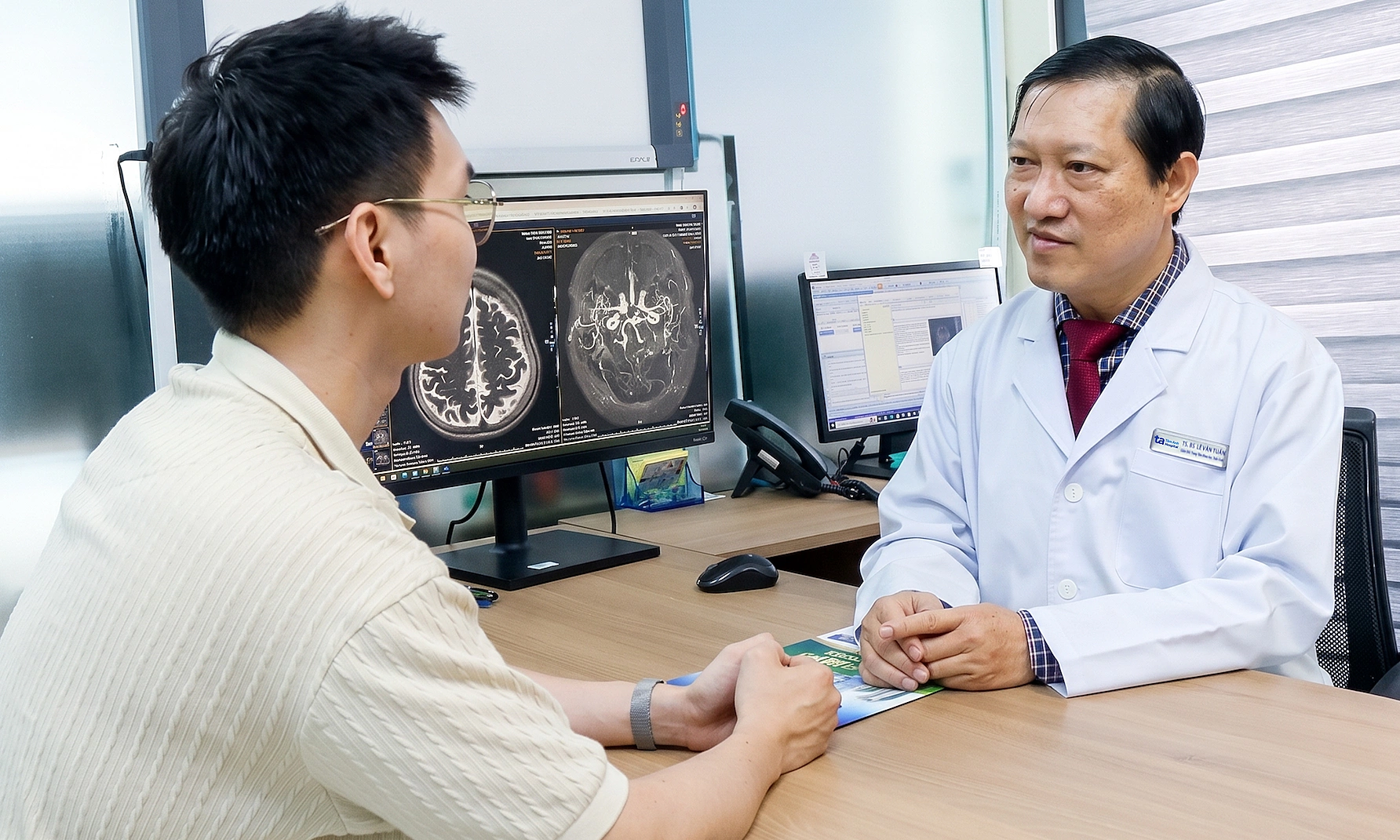
Doctors use transcranial magnetic stimulation to help reduce stress. *Photo: Tam Anh General Hospital* |
Depending on the individual's condition, doctors may recommend psychological therapy, lifestyle adjustments, or medication. In some cases, modern treatments such as repetitive transcranial magnetic stimulation (rTMS) or hyperbaric oxygen therapy may be prescribed to alleviate symptoms and enhance treatment efficacy. Patients should not self-medicate with sedatives or sleeping pills without a doctor's examination and prescription.
Trong Nghia
| Readers can ask questions about neurological diseases here for doctors to answer. |