Thawed meat should be used quickly. Room temperature allows rapid bacterial growth, posing health risks. If refreezing is necessary, immediately return any unused portions to the freezer, preventing liquid leakage. For optimal food safety, however, portion meat before its initial freezing and avoid extended refrigeration.
To prevent cross-contamination, avoid storing raw meat alongside vegetables or other ready-to-eat foods. Limit refreezing blanched, microwaved, or long-exposed room-temperature meat due to nutrient loss and increased bacterial risk.
Before freezing or refrigerating, rinse meat thoroughly under running water and drain it. Portion the meat for single use and place it in lidded containers or zip bags. This method preserves freshness and flavor, preventing odors from affecting other refrigerated items. Label each container with the storage date and meat type.
Always store raw meat in sealed containers, separate from cooked items, to prevent cross-contamination. This practice maintains meat quality and prevents unpleasant refrigerator odors.
Avoid prolonged meat storage in the refrigerator. Microorganisms adapt and slowly proliferate, potentially producing toxins that cause illness. Even without spoilage, the meat's taste and quality will diminish compared to fresh purchases.
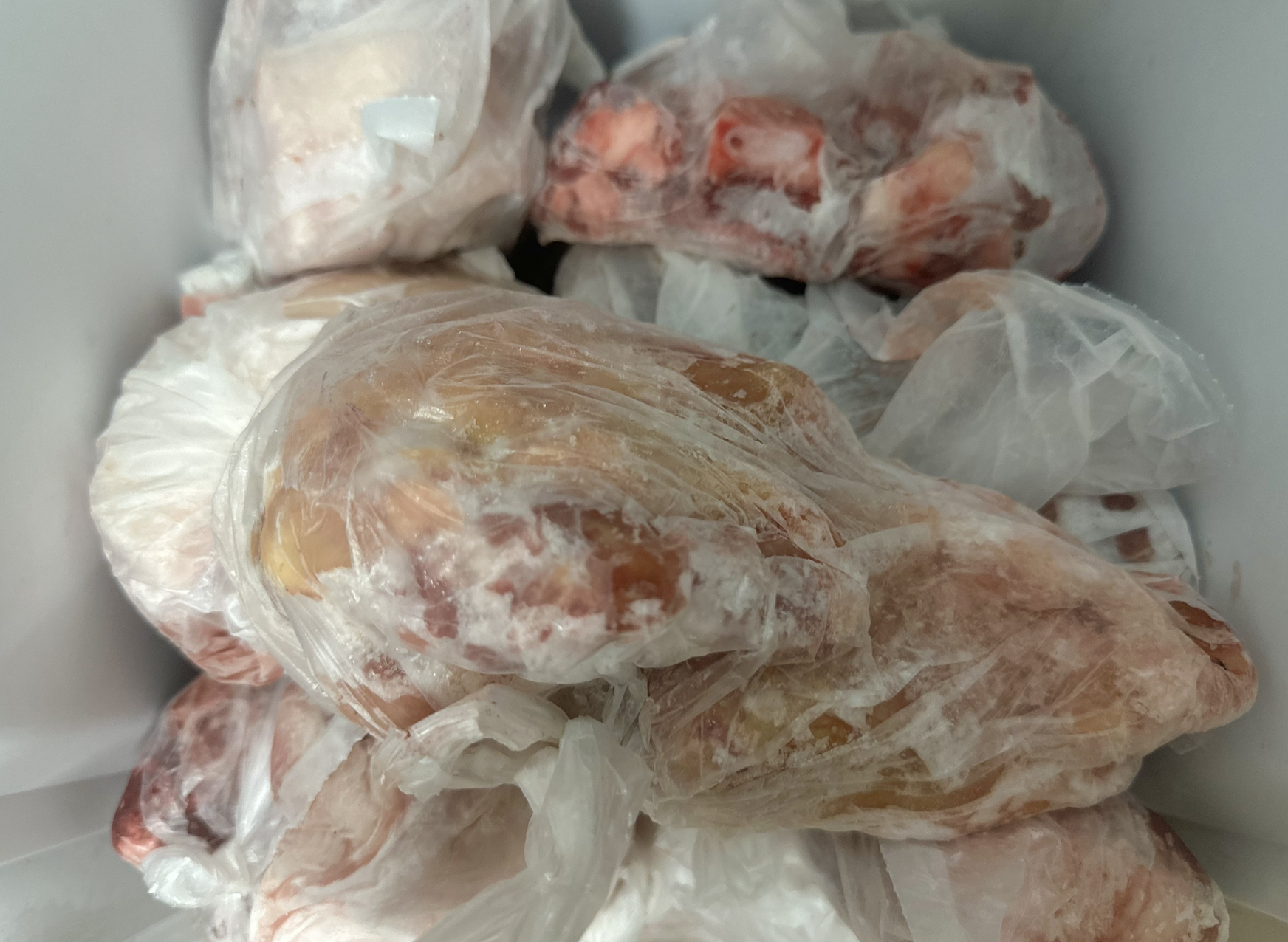 |
Illustration: Ngoc Anh |
Associate Professor, Dr. Nguyen Duy Thinh
Former staff, Institute of Biotechnology and Food, Hanoi University of Science and Technology