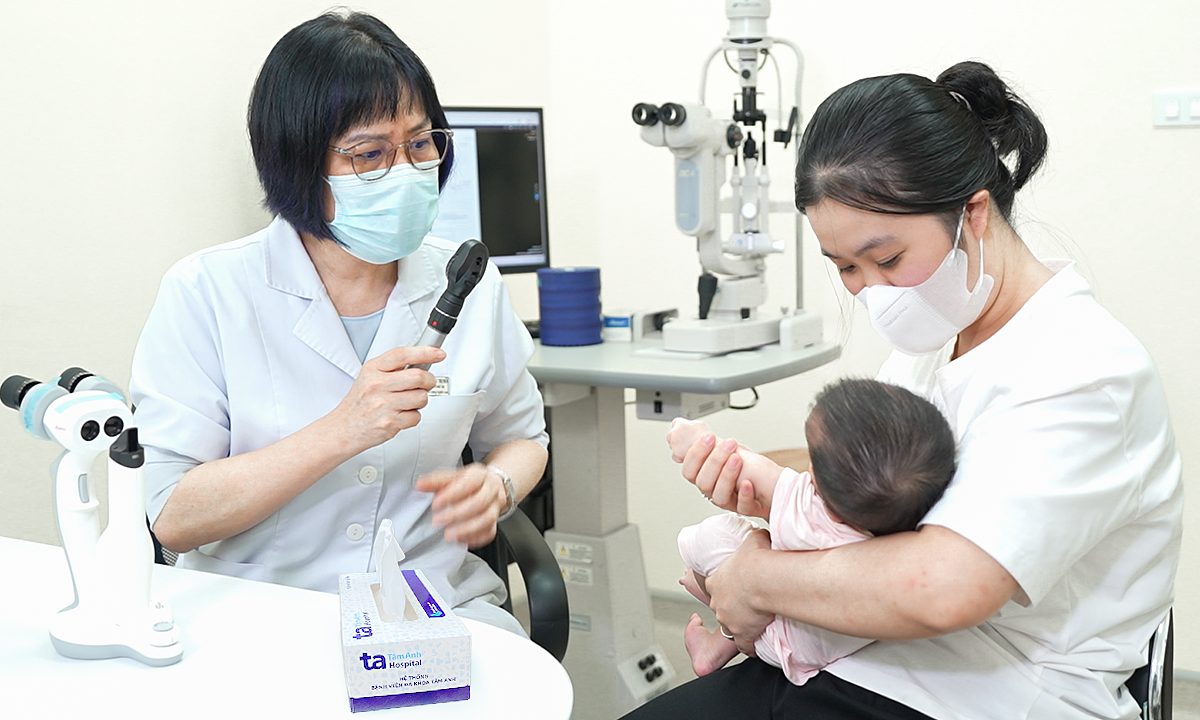
Masks serve as the first mechanical filter for the upper respiratory tract. The nasal lining, with its cilia and mucus, acts as a natural filtering system, trapping dust and microorganisms before air reaches the lower respiratory tract, while also warming and humidifying inhaled air.
Master of Science, Doctor, Level I Specialist Nguyen Thi Huong, from the Ear, Nose, and Throat Center at Tam Anh General Hospital TP HCM, states that not wearing a mask, especially in dusty, crowded areas, directly exposes the nose and throat lining to external environmental agents. This overloads the natural filtering and humidifying system, leading to easier irritation and damage.
Fine Dust Exposure
When fine particulate matter (PM2.5) and exhaust gas concentrations are high (during rush hour in major cities), the load of fine dust particles entering the nasal cavity can exceed the clearing capacity of the cilia. Fine particles, smaller than 2,5 micrometers, deposit deep within the mucous membranes, causing localized inflammatory reactions and triggering diseases in individuals with allergic predispositions.
Increased Risk of Respiratory Infections
Viruses causing upper respiratory tract inflammation, such as rhinovirus, influenza virus, and certain strains of nCoV, primarily spread through droplets and aerosols during close contact. Standard medical masks significantly reduce the amount of inhaled particles. Not wearing a mask increases the probability of exposure, especially in enclosed, crowded spaces, leading to recurrent upper respiratory tract inflammation.
Dry Mucous Membranes Cause Inflammation
The vocal cords and pharyngeal mucous membranes require a certain level of humidity for vibration and protective fluid secretion. Directly inhaling cold, dry, dusty air when moving outdoors reduces surface moisture of the mucous membranes, increasing vocal cord friction during speech. In the long term, this increases the risk of pharyngitis and laryngitis, especially for individuals who frequently use their voice.
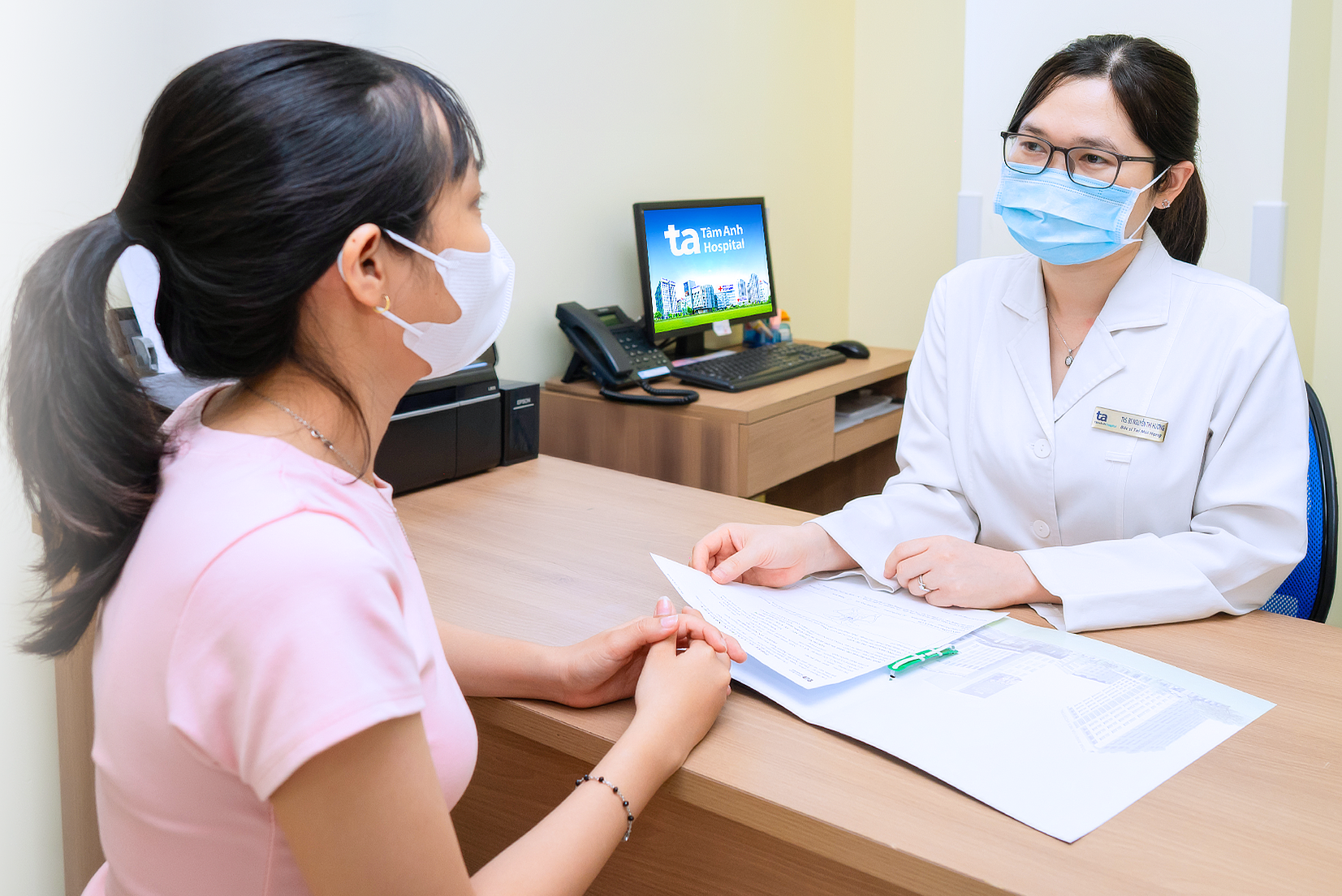 |
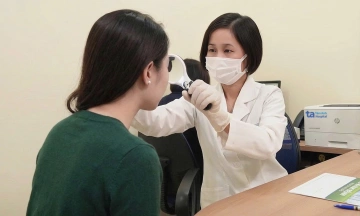
Doctor Huong advises a patient. Photo: Tam Anh General Hospital. |
Triggering Allergic Reactions
According to Doctor Huong, individuals with allergic predispositions who do not wear masks outdoors risk directly exposing themselves to pollen, pet dander, or mold spores. This can easily trigger allergic rhinitis or an asthma attack if they have a history of bronchial asthma.
Risk of Chronic Inflammation, Nasal Polyps
When the sinonasal and throat mucous membranes are constantly exposed to fine dust and bacteria without time to recover, acute rhinitis can develop. This can gradually become chronic and lead to the development of nasal polyps.
Children have immature respiratory and immune systems, sensitive nose and throat mucous membranes, and shorter Eustachian tubes, making them susceptible to otitis media, adenoiditis, and tonsillitis upon exposure to infectious agents. Parents should encourage children to wear masks outdoors and perform daily nasal and throat rinses with physiological saline to cleanse the mucous membranes and reduce inflammation.
Individuals with a history of rhinosinusitis, allergic rhinitis, or those who frequently work outdoors, if they do not wear masks for extended periods, risk gradual damage to their nasal mucous membranes. Symptoms can worsen, potentially progressing to chronic conditions. At this stage, treatment becomes more complex and time-consuming. Patients should wear masks outdoors and cleanse their nose and throat daily with physiological saline to support mucous membrane recovery.
If symptoms such as nasal congestion, hoarseness, or nose and throat pain do not improve after two weeks, or if pharyngitis recurs multiple times annually, patients should consult an Ear, Nose, and Throat specialist to determine the cause, receive timely treatment, and prevent complications.
Uyen Trinh
| Readers can submit questions about ear, nose, and throat conditions here for doctor consultation. |