Storing food directly in the plastic bags from the market, then placing them into the refrigerator, is not a good health practice.
Plastic bags commonly used at markets often do not meet food safety standards. They can contain dust, microorganisms, and even chemical residues from the manufacturing process. When placed directly into the refrigerator, bacteria from the bag's surface can contaminate other foods, increasing the risk of cross-contamination.
Furthermore, many plastic bags are not suitable for low-temperature environments or prolonged contact with food, especially wet items. This can lead to microplastic contamination and the leaching of unwanted substances into your food.
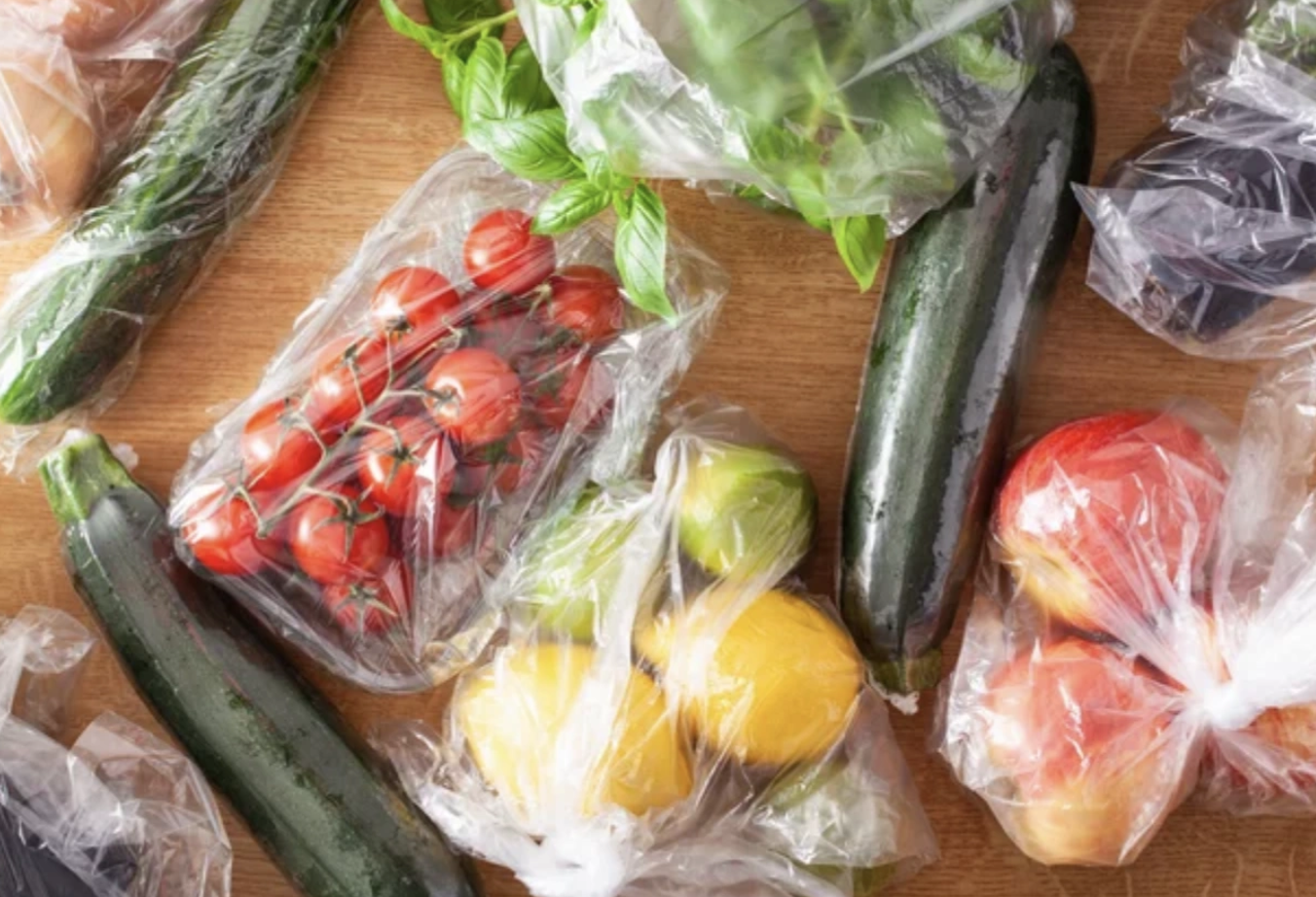 |
Storing food in plastic bags from the market is a common habit for many families. Photo: Chowhound
The best way to preserve fresh food after purchasing it is to process it immediately before refrigeration.
Meat, fish, and seafood should be removed from their plastic bags, quickly rinsed under running water, and drained. Then, portion them into meal-sized servings and place them in food-grade containers or certified food-safe zip bags before storing them in the refrigerator or freezer compartments.
For vegetables and fruits, remove the original packaging, discard withered leaves and soil, wash thoroughly, and drain before placing them in containers or breathable bags. Avoid storing vegetables while they are still wet, as this promotes spoilage and bacterial growth.
Separating raw and cooked food, storing them in individual containers, and arranging them correctly in the refrigerator not only helps keep food fresh longer but also contributes to protecting the health of the entire family.
Dr. Dinh Tran Ngoc Mai
Department of Nutrition and Dietetics, University Medical Center Ho Chi Minh City