Associate Professor Dr. Nguyen Quoc Thai, Deputy Director of the National Heart Institute, Bach Mai Hospital, stated that after stent placement, the blood vessel lumen is opened, helping patients feel healthier. However, a stent is merely a mechanical solution to widen the vessel. The underlying atherosclerotic disease persists. Abrupt lifestyle changes, a diet high in fat-rich foods, and forgotten medication during the Tet holiday can lead to the formation of blood clots within the stent, causing acute myocardial infarction, which is dangerous.
For individuals with stents, antiplatelet medications (such as aspirin, clopidogrel, ticagrelor) are critical. Regardless of Tet greetings or travel plans, patients must take their medication at prescribed times and dosages. Arbitrarily stopping medication, even for one or two days, significantly increases the risk of restenosis within the stent. Check your family medicine cabinet to ensure you have adequate medication for the entire Tet holiday period.
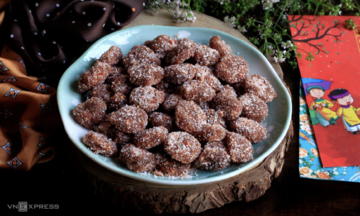
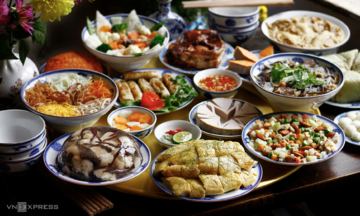
According to Dr. Thai, the Tet diet often presents challenges for cardiovascular patients. Therefore, controlling fat and animal grease intake is crucial. Banh chung, thit dong, gio xao are dishes high in fat and cholesterol. Excessive consumption of these foods increases blood viscosity and accelerates atherosclerosis.
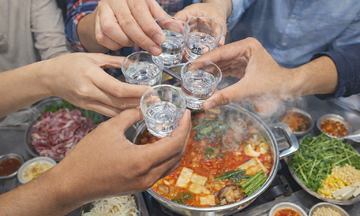
Minimize alcohol consumption, as alcohol can interact with cardiovascular medications, increasing heart rate and straining the circulatory system. Additionally, pickled foods (like pickled onions and leeks) contain high salt levels, which can lead to water retention, elevated blood pressure, and put a burden on a recently intervened heart.
Cardiovascular patients should also stay warm, as cold weather causes vasoconstriction, increasing the risk of angina. Patients should avoid going outdoors too early in the morning or too late at night. Furthermore, avoid abrupt exertion. Excessive house cleaning or carrying heavy offerings can excessively raise heart rate.
Work within your limits and take intermittent rests. Simultaneously, maintain a consistent routine and get adequate sleep to allow your heart to rest.
Emergency signs requiring immediate medical attention
Post-intervention patients should monitor closely for the following 'red flag' signs, requiring immediate hospitalization:
- Angina: A pressure or tightness sensation in the left chest, potentially radiating to the neck, jaw, or left arm.
- Shortness of breath: Especially when lying down or during slight exertion.
- Sweating, nausea, dizziness: Accompanied by a feeling of faintness.
- Uncontrolled bleeding: If you are on potent anticoagulants and experience an injury, persistent gum bleeding, or nosebleeds.
Doctors advise against delaying seeking medical attention during the critical 'golden hour' for cardiovascular events due to the superstitious belief of avoiding hospitals at the start of the new year.
Le Nga