Jules Bordet was a doctor and bacteriologist who served as the director of the Pasteur Institute Brabant and a professor at the Free University of Brussels. He received the Nobel Prize in Medicine in 1919 for his discovery of serum factors capable of destroying bacteria, a major contribution to immunology.
In the late 19th century, whooping cough was a leading cause of child mortality globally. Diagnosis relied on symptoms like prolonged coughing, gasping sounds, and vomiting. Scientists struggled to identify the causative agent.
In 1900, when his 5-month-old daughter contracted whooping cough, doctor Jules Bordet observed bacteria in her sputum but could not isolate them.
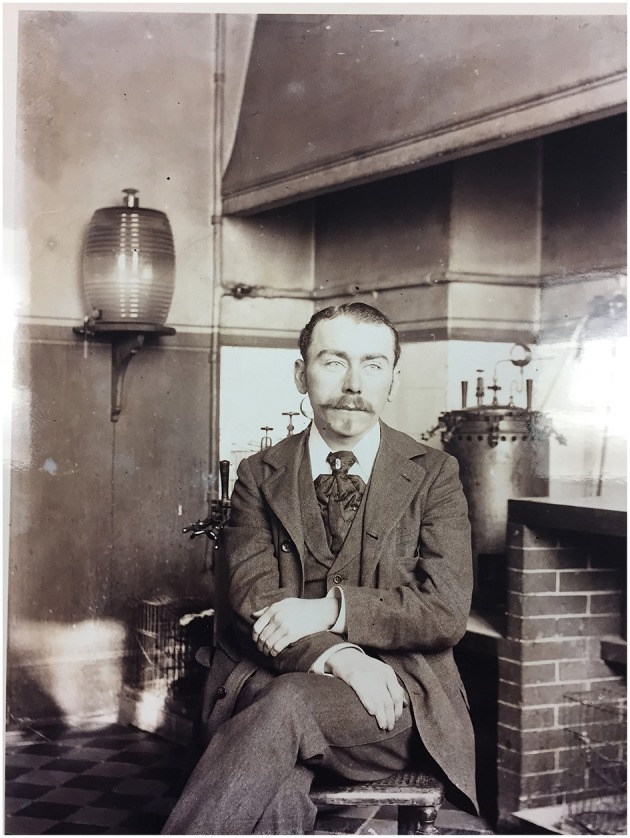 |
Doctor Jules Bordet working in Elie Metchnikoff's laboratory in France in 1916. Photo: U.S. National Library of Medicine
The breakthrough came in 1906 when his son also fell ill. Bordet, along with his brother-in-law Octave Gengou, successfully isolated the bacterium *Bordetella pertussis* using the Bordet-Gengou blood agar medium. They identified the bacteria as small, non-motile bacilli with two ends, thriving in blood agar but sensitive to high temperatures, light, or antiseptics.
This discovery marked a turning point, identifying the cause of whooping cough and laying the foundation for vaccine development.
Despite significant opposition and criticism, Bordet and Gengou's successful isolation of the whooping cough bacterium and its toxins in the early 20th century laid the groundwork for the whooping cough vaccine. In 1909, following the publication of their research, vaccine developers began producing inactivated whole-cell *B. pertussis* vaccines, which were subsequently introduced for immunization in Belgium, Denmark, the U.S., and several countries in North Africa.
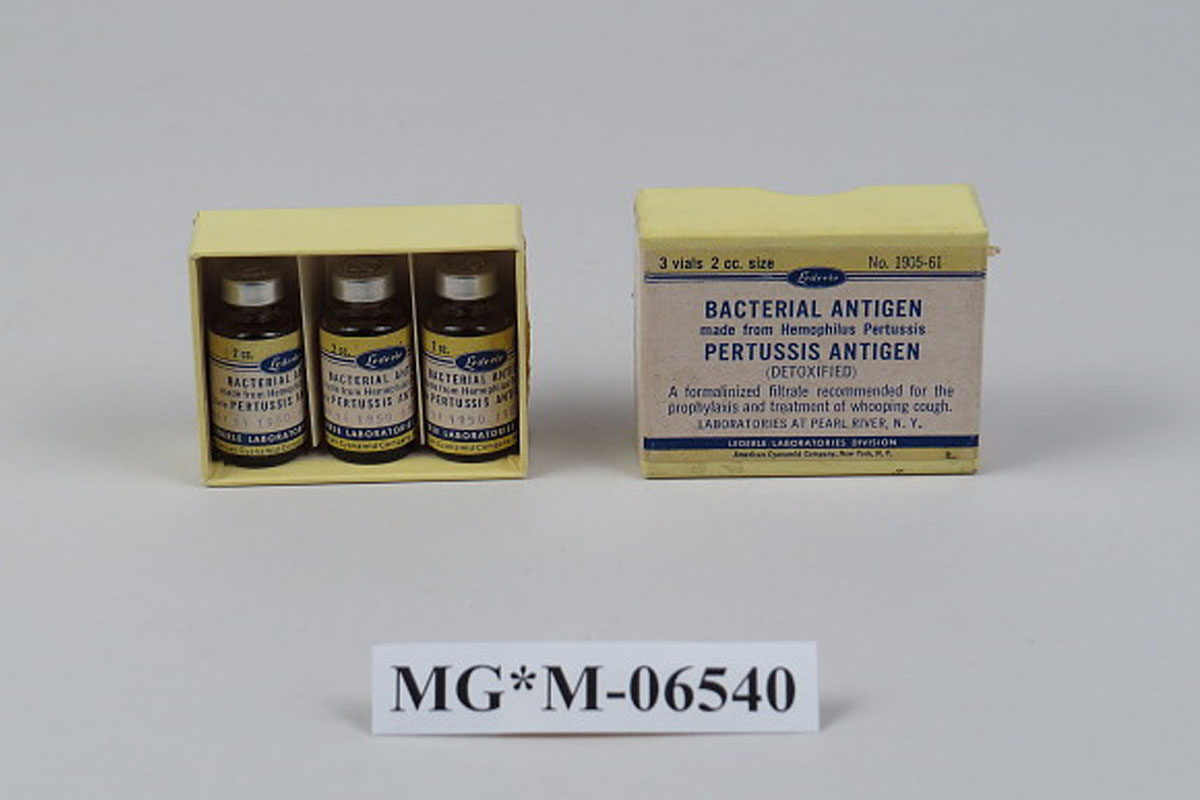 |
Whooping cough vaccine packaging in 1949, produced by American scientists Kendrick and Eldering, based on doctor Bordet's bacterial isolation. Photo: National Museum of American History
Doctor Jules Bordet's contributions extended beyond the whooping cough bacterium. He and Octave Gengou researched the complement system, creating immune sera capable of eliminating infectious bacteria and aiding disease diagnosis through serotherapy. This serum was tested on various animals, demonstrating its ability to prevent blood clotting and combat dangerous bacteria such as plague, anthrax, typhoid, urinary tract infections, hog cholera, and cattle cholera. This discovery was later applied in syphilis diagnostic tests and in controlling cattle cholera in the early 20th century.
Additionally, Bordet was the first to demonstrate that colostrum and breast milk contain lysozyme, a natural antibacterial enzyme that boosts immunity and protects the body from bacteria.
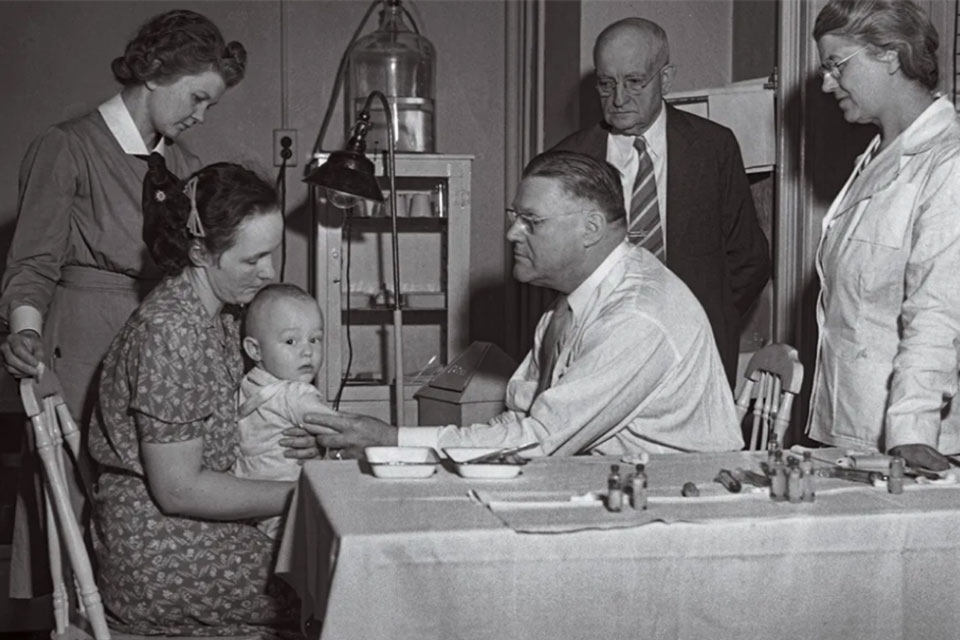 |
A baby receiving a whooping cough vaccine in the U.S., 1940. Photo: Grand Rapids History Center, Grand Rapids Public Library
Later in life, doctor Jules Bordet resided in Brussels, Belgium. He passed away on 6/4/1961, at the age of 90, and was interred at Ixelles cemetery.
Experts recognize Bordet as "the last Pasteur of the golden age" due to his lifelong dedication to microbiology and immunology research. Even after retirement, he continued to participate in scientific activities and was respected in the international medical community. His legacy forms a crucial foundation for modern immunology and vaccines against infectious diseases.
Phuc An