For individuals with cardiovascular disease, there is no safe threshold for alcohol consumption, as it has adverse effects on heart health. While the festive atmosphere of Tet may prompt a desire to partake, extreme caution and adherence to specific guidelines are crucial to prevent serious health risks.
Alcohol negatively impacts cardiovascular health both immediately and in the long term. Within the first few hours of consumption, alcohol can increase blood pressure and heart rate, cause coronary artery spasms, promote clot formation, and raise the risk of acute myocardial infarction. Over time, regular alcohol consumption increases the risk of high blood pressure, heart failure, prolonged arrhythmias, and alcoholic cardiomyopathy.
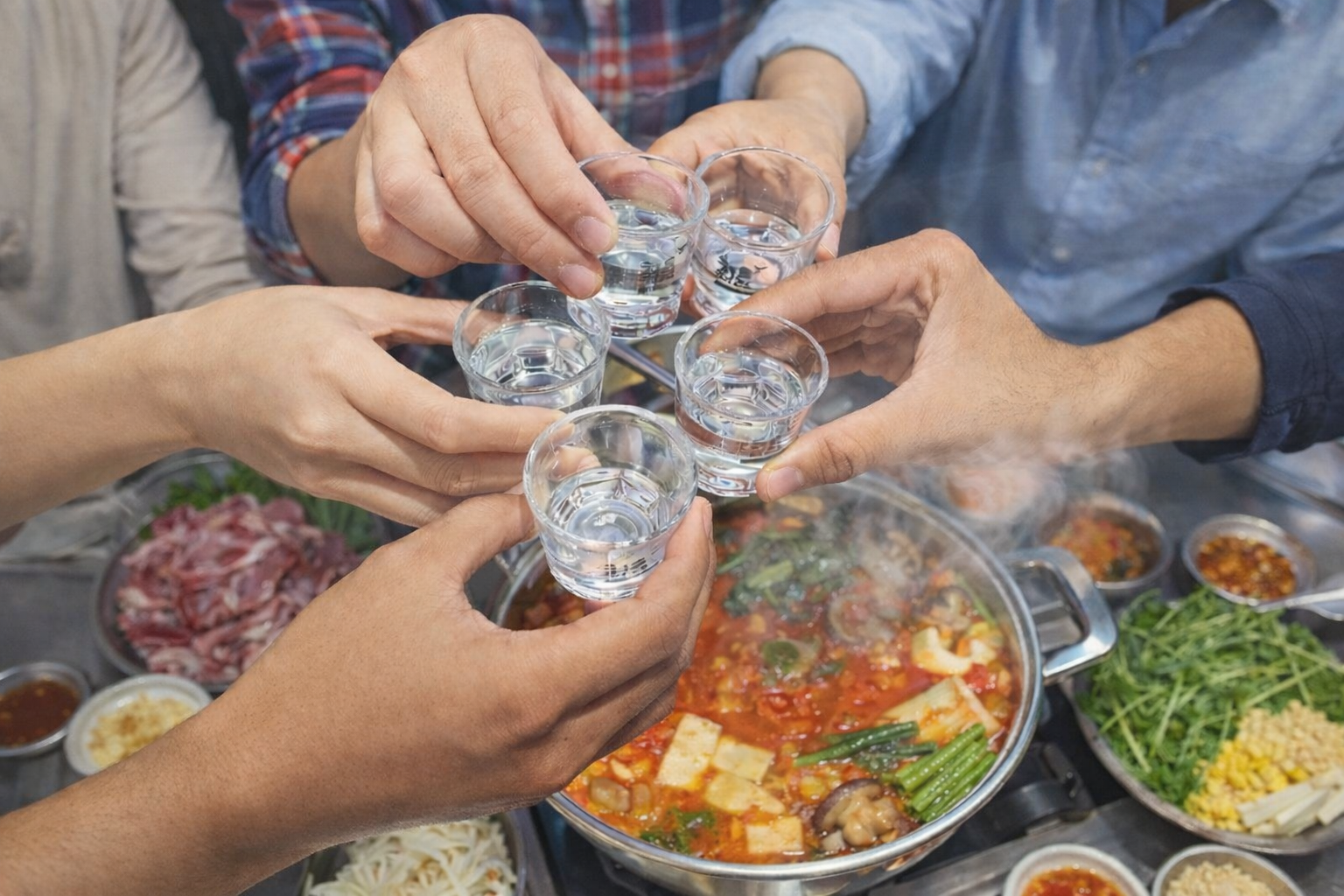 |
Eating a full meal before drinking alcohol is advisable. Dung Nguyen
If a small amount of alcohol is still consumed, patients should observe important principles to limit health risks. Eating a full meal beforehand, sipping slowly, splitting the total amount, and alternating with water can help reduce alcohol absorption into the body. It is essential to avoid drinking to intoxication, as alcohol poisoning affects the liver and nervous system, significantly increasing the burden on the heart.
Consuming a large amount of alcohol in a short period is particularly dangerous. When alcohol enters the body too quickly, blood alcohol concentration spikes, exceeding the liver's immediate metabolic capacity. This sudden increase activates the sympathetic nervous system, causing a rapid heart rate, significant blood pressure fluctuations, electrolyte imbalances, and affecting the heart's electrical conduction.
Alcohol can interact with various medications, including blood pressure medications, anticoagulants, or heart rhythm regulators, thereby reducing their treatment effectiveness. This interaction increases the risk of side effects such as hypotension, bleeding, or arrhythmias. Patients should immediately stop drinking and seek prompt medical attention if they experience symptoms like chest pain, shortness of breath, palpitations, or a feeling of a fast, irregular heartbeat; a sudden blood pressure increase; dizziness, lightheadedness, or fainting after consumption.
During Tet celebrations, individuals with heart disease should prioritize water, unsweetened fruit juice, or herbal tea instead of alcohol to reduce the burden on their heart and blood pressure. A balanced diet is recommended, reducing dishes high in salt, saturated fat, and refined sugar. Eating smaller, more frequent meals, increasing green vegetables, fresh fruits, and healthy protein sources like fish, beans, and lean meat helps control cardiovascular indicators. Maintaining gentle physical activity such as walking and stretching, combined with monitoring blood pressure, blood sugar, and cholesterol, can reduce the risk of cardiovascular events.
For context, the American Heart Association (AHA) recommends that healthy adult women consume no more than one standard drink per day, and men no more than two standard drinks. One standard drink is equivalent to 355 ml of beer (5% alcohol), 150 ml of wine (12%), or 45 ml of 40% spirits.
Master of Science, Doctor Do Thi Thao
Cardiology Department
Tam Anh General Hospital Hanoi
| Readers can submit cardiovascular questions here for doctors to answer. |