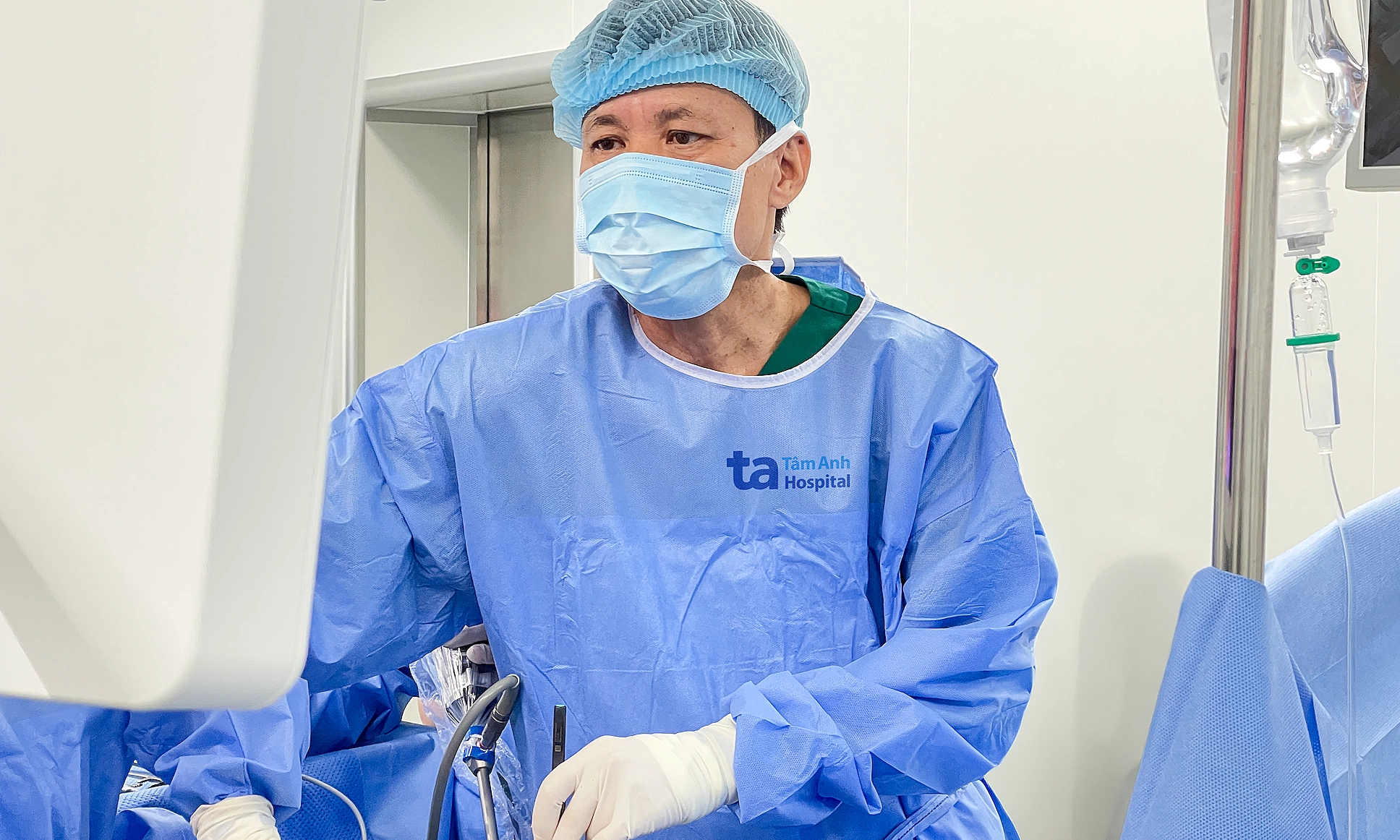
During holidays like Tet, frequent alcohol consumption can directly impact individuals with endocrine conditions, particularly thyroid disorders. Celebratory drinks carry a risk of thyroid dysfunction, making existing conditions progress and become difficult to manage, according to Master, Doctor Dinh Hoang Minh of the Thyroid Pathology Department at the National Endocrine Hospital.
The thyroid, a small endocrine gland in the neck, plays a vital role in regulating heart rate, blood pressure, body temperature, controlling energy metabolism, and maintaining stable nervous system function. Studies show alcohol negatively affects the thyroid through various mechanisms. Ethanol in alcoholic drinks directly poisons thyroid cells, preventing the gland from receiving precise signals to regulate hormone production.
Moreover, alcohol damages the liver, reducing its ability to process and convert T4 hormone into active T3 hormone. This leads to a deficiency of active thyroid hormone, even if initial blood test results appear normal. This is why symptoms of hypothyroidism can emerge subtly and be easily overlooked.
Individuals undergoing treatment for thyroid conditions should be particularly cautious with alcohol. It can reduce medication effectiveness and worsen symptoms such as fatigue, constipation, and cold extremities. Those with liver or kidney disease face a higher risk of severe endocrine disorders, as the liver is central to thyroid hormone metabolism. Middle-aged and elderly individuals, whose endocrine systems naturally decline with age, are also more susceptible to prolonged effects of alcohol.
To protect thyroid health during the Tet holiday, complete abstinence from alcohol is not necessary, but controlled consumption is crucial. Avoid drinking on an empty stomach and drink enough water to support liver detoxification. Maintain a diet rich in micronutrients like zinc and selenium, found in fish, lean meat, and nuts. Additionally, engage in light physical activity for about 30 minutes daily to support metabolism. Limiting or quitting smoking also contributes to protecting thyroid function and the endocrine system.
Holidays are a time for rest and enjoyment, but endocrine health must remain a priority. With small changes in daily habits, everyone can protect their thyroid – the body's energy coordinator – for a healthy and safe new year.
Le Nga