A key indicator of cardiovascular fitness is a healthy resting heart rate. If your resting heart rate consistently stays between 60 and 80 beats per minute, it means your heart pumps blood efficiently without being overworked. Consistently high or irregular heart rates, however, warrant a doctor's examination. To check your pulse: Place two fingers on your wrist or neck, count your pulse for 30 seconds, then multiply by two.
Your ability to handle physical exertion, like climbing stairs, also reflects heart health. Comfortably climbing one flight of stairs without panting, chest tightness, or fatigue indicates good blood circulation and sufficient oxygen supply to your muscles. If you experience shortness of breath, heaviness, or chest tightness, seek immediate medical attention.
Maintaining normal blood pressure is crucial for long-term cardiovascular well-being. Normal blood pressure, around 120/80 mmHg, is a good sign of cardiovascular health. High blood pressure silently damages blood vessels over time, increasing the risk of heart attack and stroke. It is advisable to buy a digital blood pressure monitor to track your readings and not ignore sudden changes or consistently high readings.
The quality of your sleep offers significant clues about your heart's condition. Poor sleep, especially waking up with shortness of breath, often signals cardiovascular issues. Conversely, consistent good sleep indicates your heart receives enough oxygen, and your body maintains a stable circadian rhythm throughout the night. Loud snoring and gasping during sleep can be signs of sleep apnea, a serious yet often overlooked risk for heart disease. Paying attention to unusual sleep signs and seeking early medical attention helps detect potential heart problems, reducing the risk of complications.
Stable energy levels throughout the day are a testament to a well-functioning heart. A healthy heart ensures your body receives sufficient oxygen and nutrients to maintain stable energy. If you perform daily activities without feeling overly tired, it indicates your heart is functioning well.
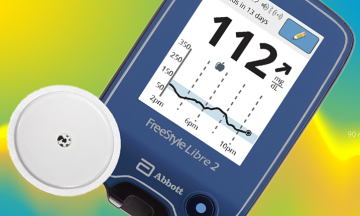
Normal cholesterol and blood sugar levels are vital for arterial health. Normal lipid and blood sugar levels are important signs that your arteries are not overloaded. High cholesterol narrows blood vessels, while uncontrolled blood sugar causes damage over time. It is recommended to use a handheld blood glucose monitor to track your blood sugar and get annual cholesterol tests, even if you feel healthy.
Le Nguyen (According to Times of India)
| Readers can submit questions about cardiovascular health here for doctors to answer. |