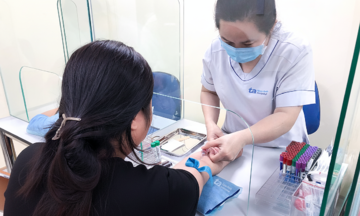
On 31/12, a representative from Hai Duong Hospital for Tropical Diseases reported that the patient exhibited no fever or skin rash but suffered from increasing abdominal pain and prolonged diarrhea. During one bowel movement, the patient discovered a "strange object" nearly 10 meters long. He sought medical attention and was transferred to Hai Duong Hospital for Tropical Diseases. Specialized parasite tests revealed the patient was simultaneously infected with four types of parasites: dog and cat roundworms, liver flukes, dog tapeworms, and pork tapeworms. The pork tapeworm was identified as the "strange object" the patient had found.
Upon reviewing his medical history, the patient regularly consumed raw or undercooked dishes such as fish salad, shrimp, squid, and blood pudding. Doctors suggested this diet likely caused his parasitic infection. During drug treatment, physicians noted the patient suffered from anemia, pale skin, and general fatigue due to the parasites residing in his digestive tract for an extended period. This prolonged presence often led to digestive disorders, poor nutrient absorption, and overall body weakness.
Doctor Vu Tien Phuong, Head of the General Internal Medicine Department, stated that parasitic infections often progress silently, potentially showing no clear symptoms for a long time. Patients typically seek medical attention only when their condition becomes severe, their body is debilitated, or dangerous complications emerge. Proactive early examination for persistent digestive disorders helps in accurate diagnosis and effective treatment.
Pork tapeworm is one of the prevalent parasitic infections today, ranking second only to dog and cat roundworms. The primary sources of infection include unsanitary eating habits, consuming raw or undercooked food, and contact with pets or environments containing parasite larvae.
Doctors recommend cooking food thoroughly, drinking boiled water, and avoiding blood pudding, raw meat, raw fish salad, and raw seafood. Maintaining personal hygiene, washing hands before eating and after using the restroom, and using clean water are also crucial. Proper pet management, including regular deworming for dogs and cats, along with maintaining a clean living environment, is advised.
Thuy Quynh