Answer:
Aging occurs across multiple layers, meaning single-approach methods are often insufficient for comprehensive recovery. Multi-layer skin rejuvenation is considered an optimal solution due to its treatment protocol, which is designed to act simultaneously or sequentially from the epidermis to the dermis, fat tissue, and muscle system.
Skin aging begins in the epidermis, where the rate of cell regeneration slows with age. This leads to dull, uneven skin tone and the easy appearance of melasma and freckles. However, the most significant changes occur in the dermis, where collagen and elastin—the main supporting framework components—decrease in both quantity and quality. As this structure weakens, the skin becomes thin, wrinkled, less elastic, and sags.
Deeper still is the subcutaneous fat layer, which provides fullness and defines facial contours. Over time, fat tissue also atrophies, resulting in hollow temples and sunken cheeks, creating an aged, lifeless facial appearance. Beneath this layer lies the superficial muscular aponeurotic system (SMAS), a structural layer that supports the entire face. When the SMAS becomes lax, aging signs such as sagging cheeks, a double chin, or neck laxity become evident. Even minor facial bone resorption with age contributes to changes in facial proportions.
The goal of multi-layer skin rejuvenation is to restore natural beauty according to the skin's physiological sequence: a bright, healthy surface, a thick and elastic dermal structure, moderately full soft tissue, and clear, harmonious facial contours. A key advantage is that instead of only treating symptoms, doctors address the root causes, from pigmentation and collagen structure to the underlying support system. This approach typically ensures long-lasting and natural rejuvenation results, avoiding stiffness or excessive alterations. Furthermore, the layered treatment approach reduces stress on the skin, limits damage, and shortens recovery time.
Skin rejuvenation protocols can integrate various modern technologies. The Aesthetics Department at Tam Anh General Hospital Hanoi, currently utilizes Fotona 6D SP Dynamis, a non-surgical, non-invasive laser skin rejuvenation treatment that requires minimal downtime.
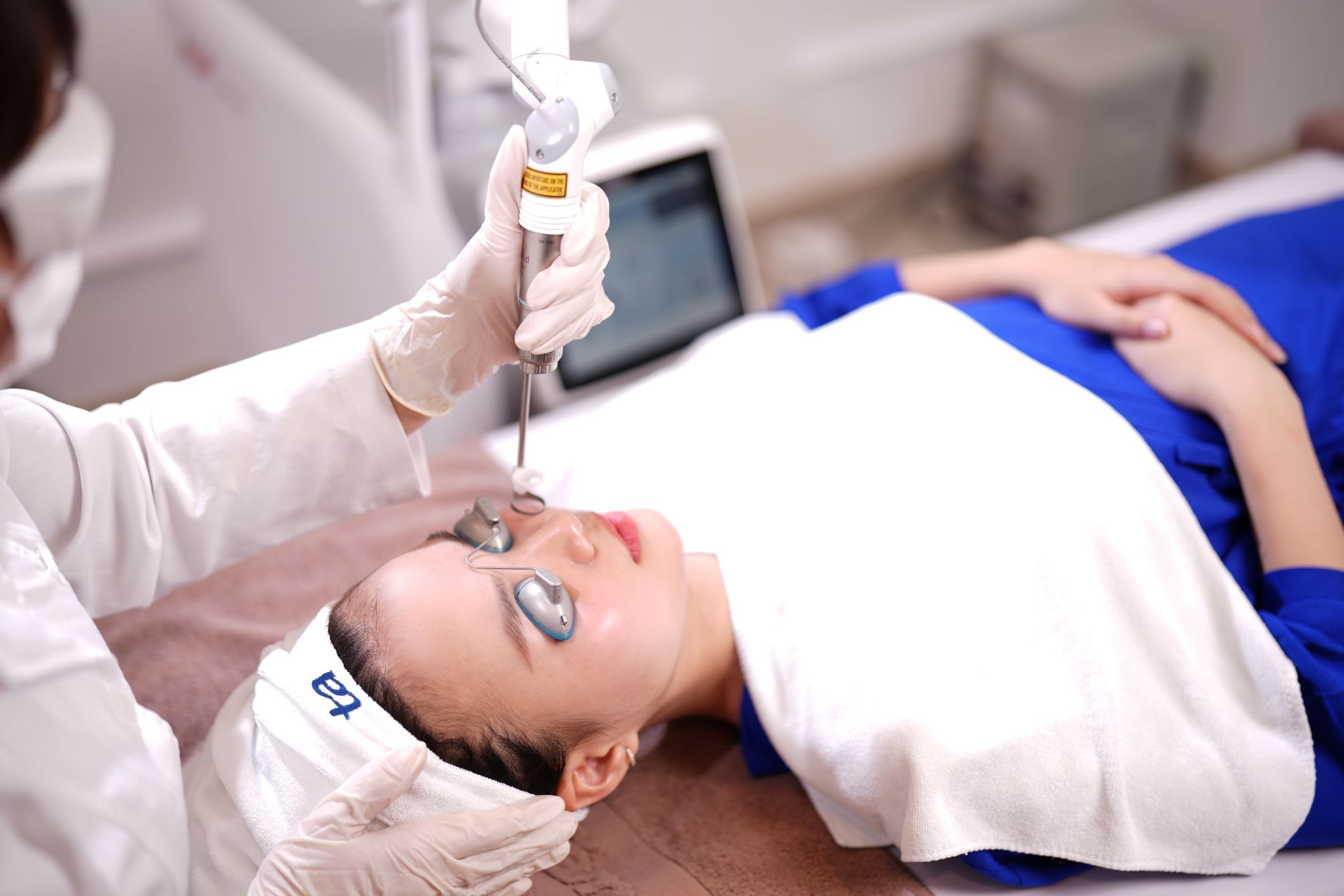 |
A doctor performs multi-layer skin rejuvenation using the Fotona 6D SP Dynamis machine. Illustration: Tam Anh General Hospital |
Fotona Dynamis 6D combines two laser types, Er:YAG and Nd:YAG, allowing for six techniques in a single treatment session. Each step targets a different aging skin layer, creating a comprehensive effect that individual technologies struggle to achieve. The treatment improves multiple aging signs simultaneously, such as: nasolabial folds, marionette lines, sagging skin, reduced firmness in the cheeks, jawline, and neck; enlarged pores, uneven skin texture; dull skin; mild eye bags, eye wrinkles; and reduced skin elasticity after age 30 or following weight loss and childbirth.
Immediately after the first session, the skin may appear brighter and feel firmer, with improved elasticity. Depending on the skin condition, one to three sessions may be needed, spaced approximately 4-6 weeks apart, to achieve optimal results. Collagen continues to regenerate for 3-6 months after treatment. Compared to filler injections or thread lifts, Fotona 6D provides more natural and harmonious rejuvenation outcomes.
The effectiveness of Fotona 6D rejuvenation significantly depends on the doctor's skill, their experience with laser technology and multi-layer skin rejuvenation, and the individualized protocol developed for each skin type. If you are considering skin rejuvenation, you should visit an Aesthetics Department. A doctor can assess your degree of aging, skin laxity, and jaw-neck structure to create a suitable protocol and select the appropriate laser wavelength, ensuring optimal results and minimizing risks.
Dr. Be Thu Thuy
Aesthetics Department
Tam Anh General Hospital Hanoi
| Readers can send questions about dermatological conditions and skincare here for a doctor's answer. |