 |
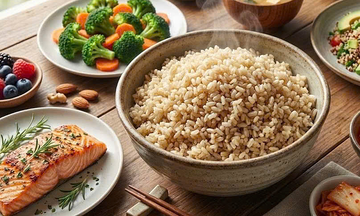
Fatty fish, including salmon, mackerel, and sardines, are rich in omega-3 fatty acids, offering significant cardiovascular benefits. These fats help lower blood pressure by reducing inflammation. Consuming two to three servings of salmon each week, with each serving weighing 100 to 200 grams, provides a consistent intake of omega-3s to help stabilize blood pressure.
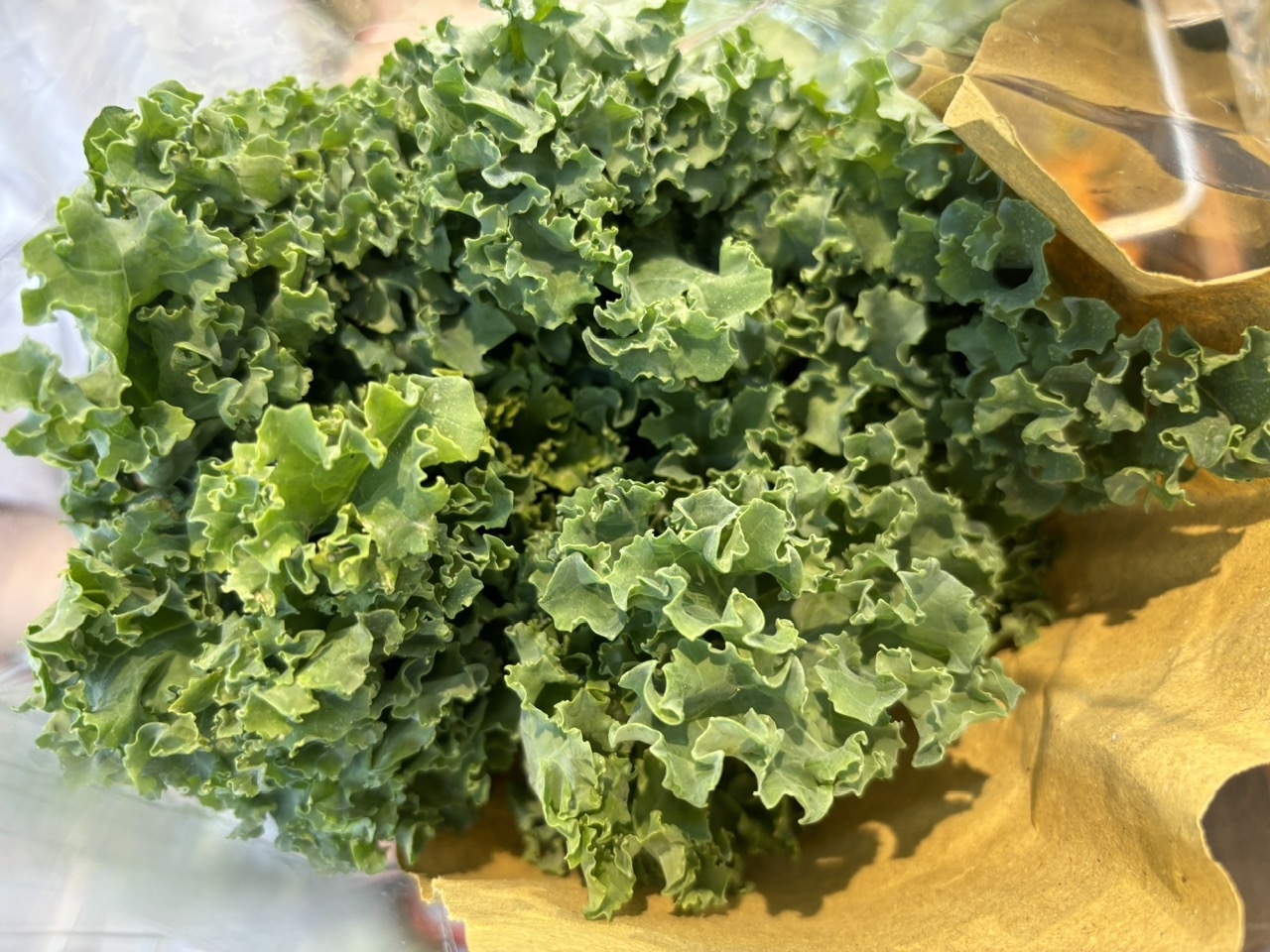 |
Green leafy vegetables like spinach, kale, and Swiss chard are excellent sources of potassium, magnesium, and nitrates. Magnesium helps maintain arterial flexibility. Nitrates convert into nitric oxide in the body, which relaxes blood vessels and improves blood flow. Potassium further aids in lowering blood pressure by facilitating the removal of excess sodium and relaxing blood vessel walls.
 |
Berries, such as strawberries, blueberries, and raspberries, when consumed regularly, support healthy blood pressure over time. These fruits contain antioxidants (plant compounds) that help keep blood vessels flexible. Some berries can also inhibit angiotensin-converting enzyme (ace), similar to how certain blood pressure medications work. Aim for one cup of fresh or frozen berries daily, or add them to smoothies and oatmeal to boost nutrient intake.
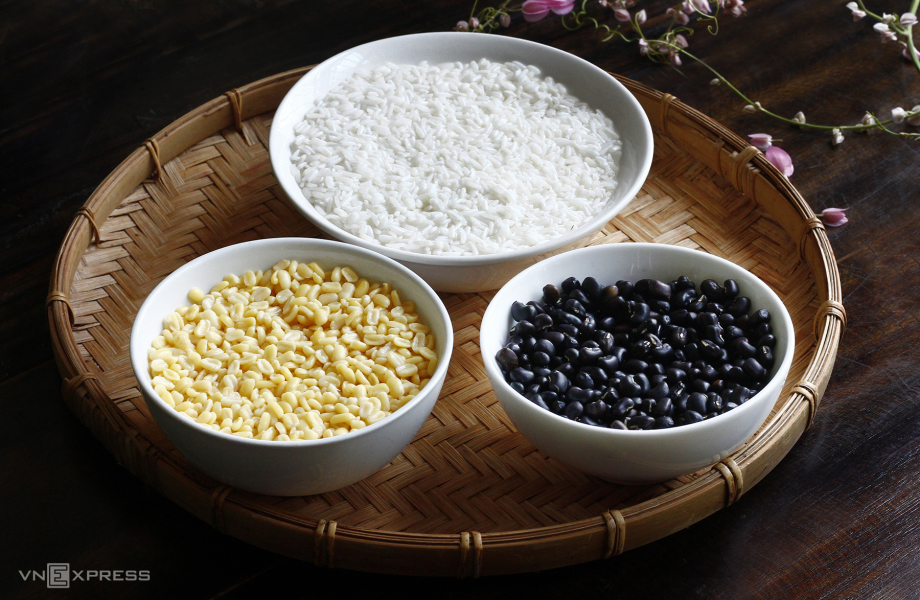 |
Legumes, including lentils, peas, and chickpeas, contribute to lower blood pressure by providing nutrients like arginine, an amino acid that can boost nitric oxide for blood vessel dilation. Folate supports healthy vascular function, while antioxidants, potassium, and magnesium work together to relax blood vessels and mitigate the effects of sodium.
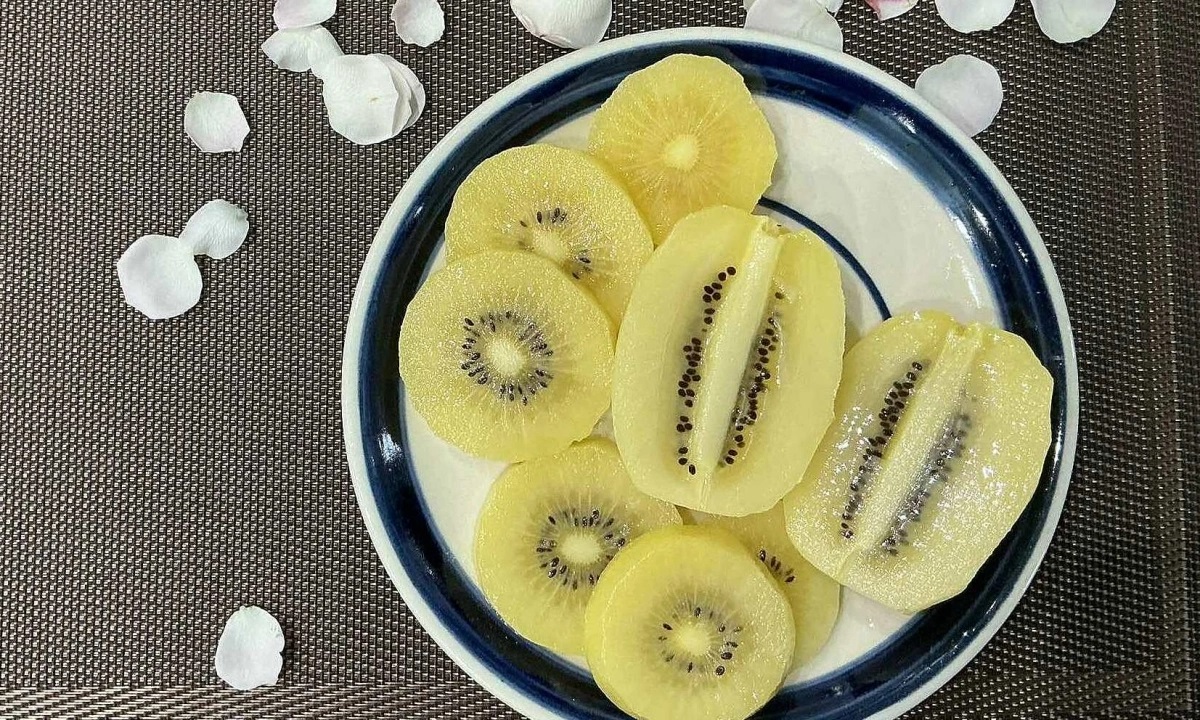 |
Kiwi provides vitamin C, potassium, and antioxidants, supporting healthier blood vessels by improving endothelial function (the lining of blood vessels). Consuming kiwi also offers the benefits of increased nitric oxide and reduced oxidative stress, a factor that can contribute to arterial stiffening.
Bao Bao (According to *Very Well Health*)
Photos: Bao Bao, Bui Thuy, Anh Chi