The South Korean Ministry of Food and Drug Safety (MFDS) announced on 26/8 that it found no formaldehyde in 8 recently inspected lots of napa cabbage imported from China. This comes after reports suggested the chemical was being used to preserve napa cabbage in some parts of China, according to The Korea Herald.
This stringent control measure was implemented after videos circulated on social media, showing traders in Kangbao county, Zhangjiakou city, Hebei province, China, soaking napa cabbage in a formaldehyde solution to maintain its freshness. Chinese local authorities confirmed the incident but have not yet disclosed the scale of the violation or whether these contaminated shipments reached South Korea.
Additionally, authorities are also inspecting kimchi and quick-pickled napa cabbage produced in China and imported into South Korea. Results will be released once these inspections are complete.
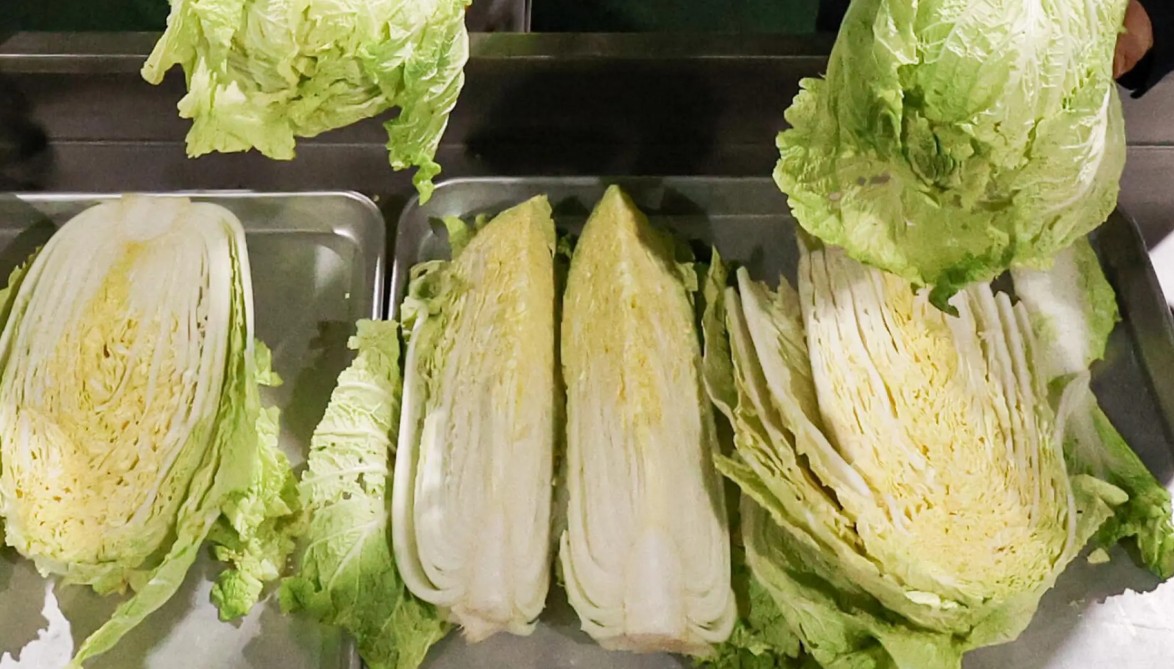 |
Napa cabbage. Photo: NEWS1 |
Napa cabbage is a primary ingredient for kimchi, a fermented dish consumed in nearly every South Korean meal. The incident has caused significant public concern, as China supplies approximately 99% of South Korea's imported kimchi.
Customs data indicates South Korea imported 336,221 tons of kimchi from China in 2025, marking an all-time high and a 39,7% increase compared to 2021. By the end of 7/2026, imports had already reached 194,401 tons, putting the current year on track for a new record.
The International Agency for Research on Cancer (IARC) classifies formaldehyde as a Group 1 carcinogen, meaning there is sufficient evidence it causes cancer in humans. Formaldehyde also irritates the eyes, nose, and throat, with the severity of damage increasing with exposure level and duration. The Ministry of Food and Drug Safety stated it would continue to closely monitor the situation and intensify inspections.
Binh Minh (According to The Korea Herald, Bloomberg)