Mr. Tan was admitted to Tam Anh General Clinic District 7 with mild left-sided weakness and speech difficulties, scoring 5 on the National Institutes of Health Stroke Scale (NIHSS). This scale classifies the severity of neurological stroke, with higher scores indicating more severe damage.
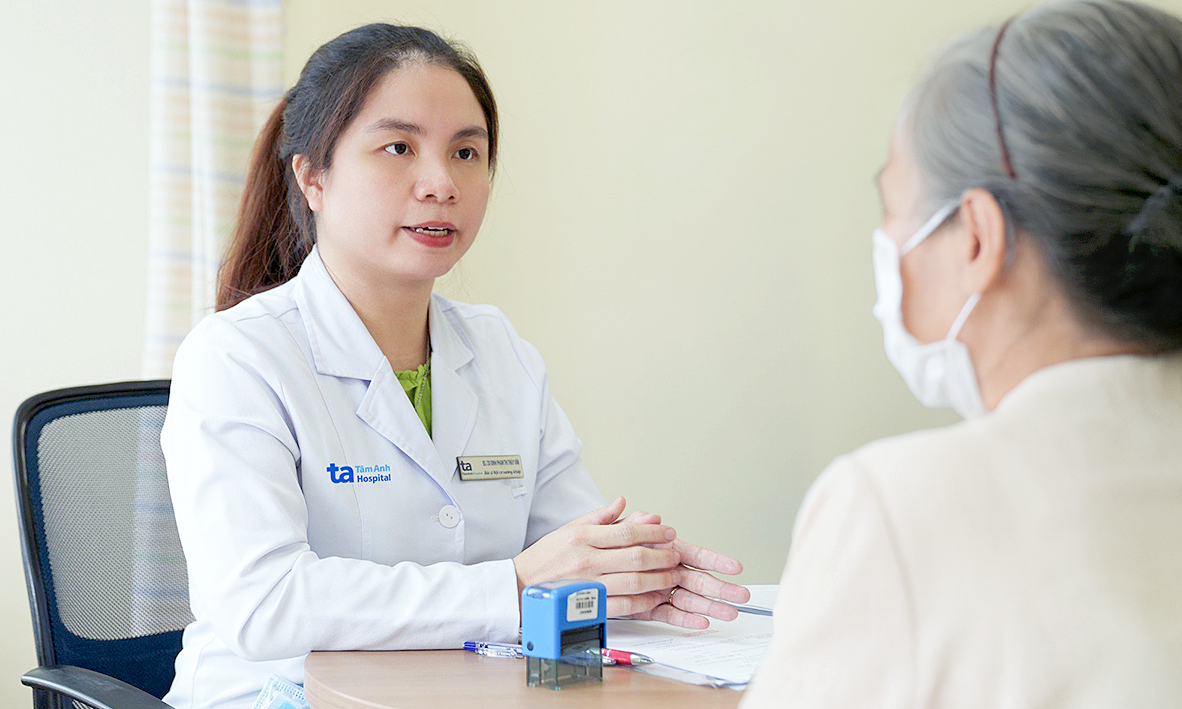
Master of Science, Doctor, Level 1 Specialist Pho Thien Phuoc from the Emergency Department, stated that a score of 5 is classified as a mild to moderate stroke. At this level, patients do not yet have severe paralysis but show clear neurological disorders, such as left-sided weakness, reduced limb movement, and difficulty speaking.
Mr. Tan's brain magnetic resonance imaging (MRI) results revealed an infarction in the right pontine region. Doctors diagnosed him with acute right pontine infarction.
 |
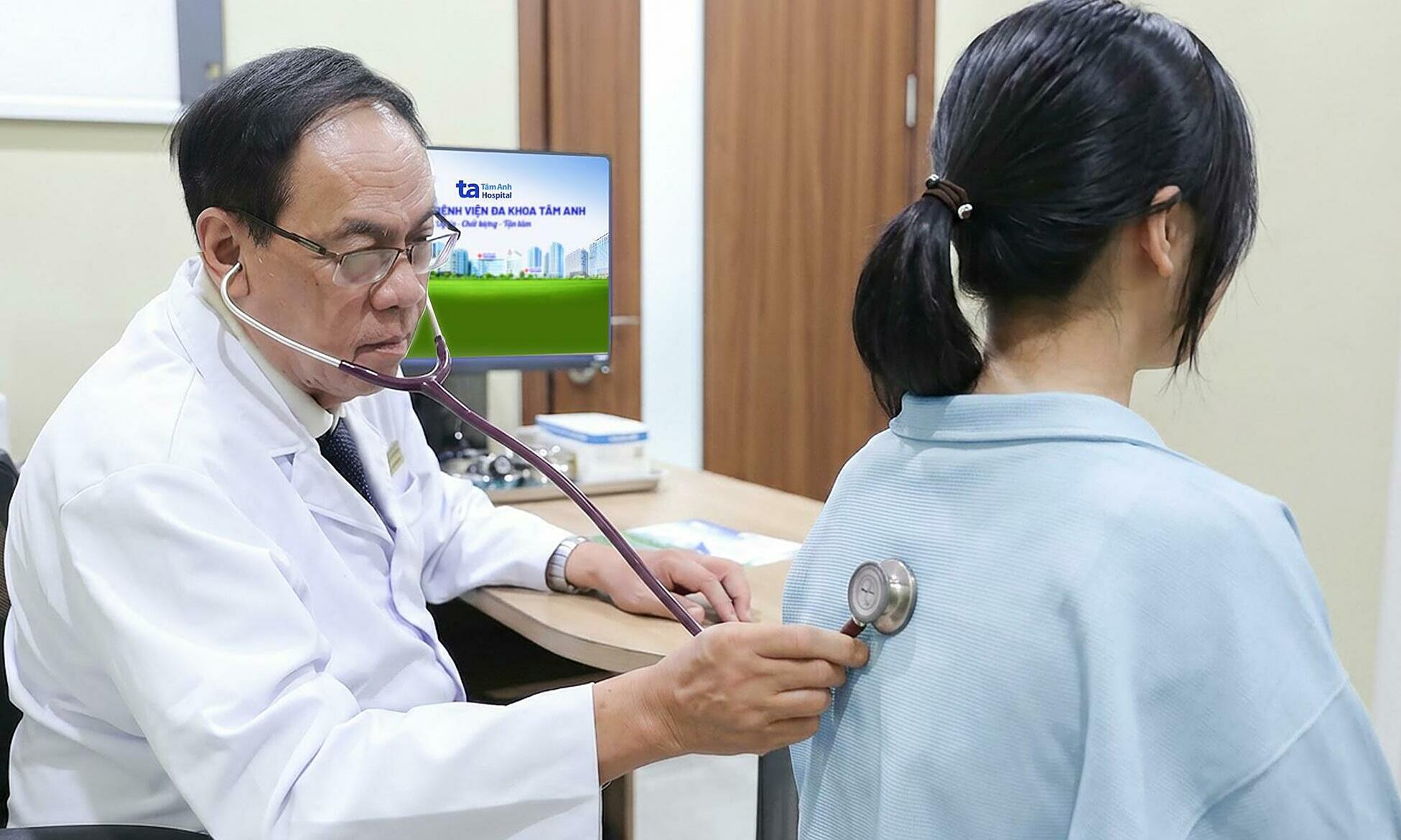
Doctors assessing Mr. Tan's muscle strength in the Emergency Department. Photo: Tam Anh General Clinic District 7 |
Doctors assessing Mr. Tan's muscle strength in the Emergency Department. Photo: Tam Anh General Clinic District 7
Doctor Phuoc explained that high blood pressure, diabetes, and metabolic disorders are closely linked to stroke risk because they damage blood vessel walls, promote atherosclerosis, and lead to the formation of blood clots that block cerebral arteries. When multiple risk factors persist and are not well-controlled, patients are more susceptible to cerebral infarction. Individuals with long-standing diabetes or high blood pressure also face a higher risk of cardiovascular complications and widespread vascular damage, making stroke treatment more complex.
Following consultation, doctors treated Mr. Tan with intravenous thrombolytic medication to restore cerebral blood flow during the "golden hour". This medication can dissolve blood clots that block vessels, helping to save brain tissue that is still recoverable if intervention occurs early enough.
During the infusion, Mr. Tan's blood pressure, heart rate, and neurological signs were continuously monitored to control the risk of cerebral hemorrhage – the most severe complication of thrombolytic treatment.
Post-intervention, the patient's speech difficulties and left-sided weakness significantly improved, with motor function recovering better compared to the time of hospital admission.
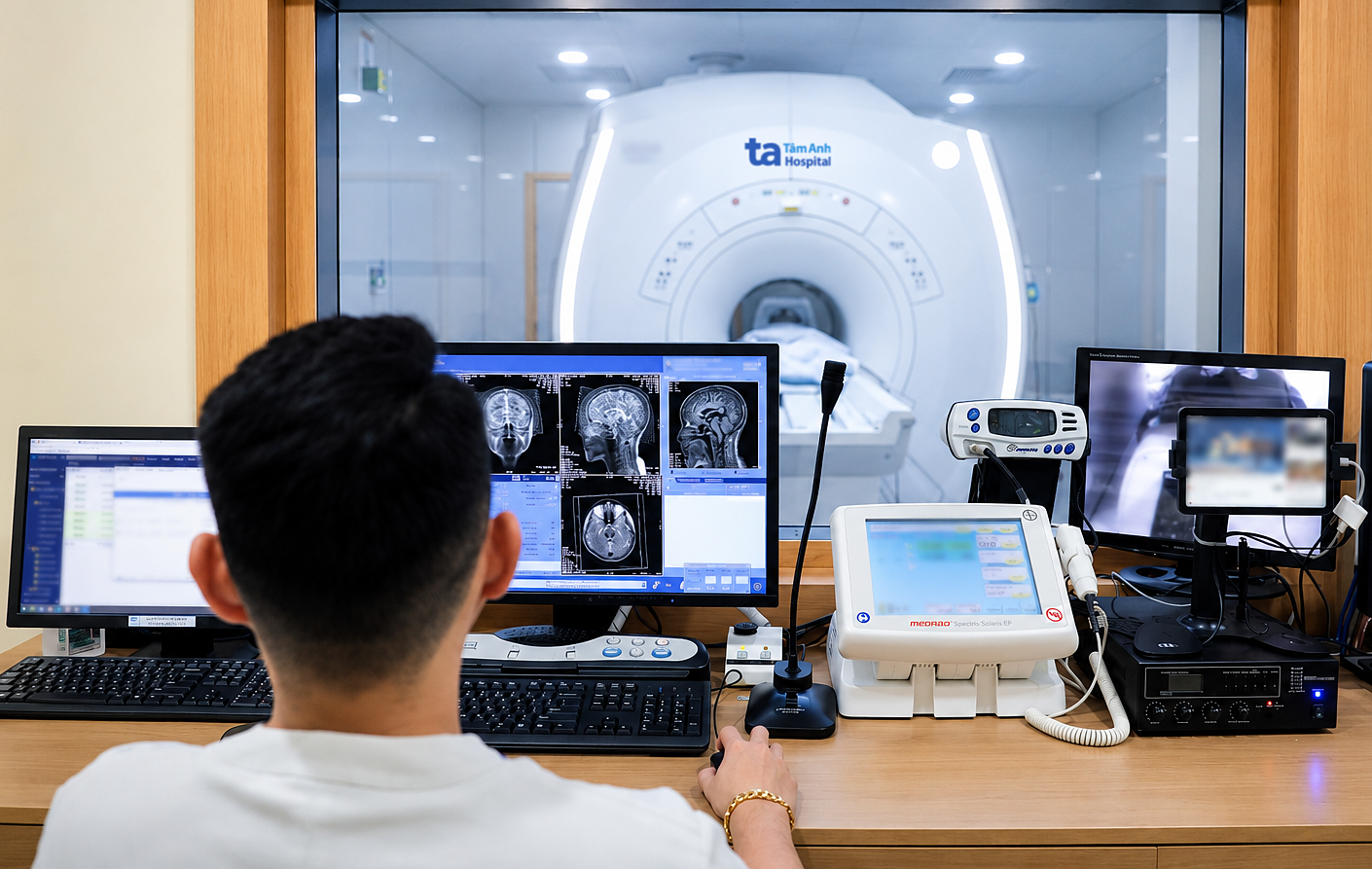 |
Medical staff examining the patient's brain using a 1.5 Tesla magnetic resonance imaging (MRI) machine. Photo: Tam Anh General Hospital |
Medical staff examining the patient's brain using a 1.5 Tesla magnetic resonance imaging (MRI) machine. Photo: Tam Anh General Hospital
Pontine infarction is a dangerous form of stroke because the damage is located in an area that controls many vital functions. If patients are detected early and receive treatment within the "golden window", their chances of neurological recovery are higher.
In individuals with chronic underlying conditions, vascular damage often progresses silently over many years. Patients may not show obvious signs until an acute event occurs, such as a cerebral infarction or cerebral hemorrhage.
Doctor Phuoc recommends that individuals with underlying conditions such as high blood pressure, diabetes, dyslipidemia (lipid disorders), cardiovascular disease, or a history of smoking should undergo regular health check-ups and strictly control risk factors. When unusual signs appear, such as limb weakness, facial drooping, slurred speech, or sudden severe headaches, it is crucial to seek medical attention to determine the cause and intervene promptly.
Nhat Thanh
*Patient's name has been changed
| From 17:30 to 20:30 on 2/6, Tam Anh General Hospital System will host an online consultation titled "High-Tech Health Check-ups - Early Screening for Cancer, Stroke, Cardiovascular Disease, and Other Dangerous Conditions". The program features doctors from Tam Anh General Hospital Ho Chi Minh City, including: Professor, Doctor Vo Thanh Nhan; Doctor, Level 2 Specialist Tran Thi Thanh Truc; Doctor, Level 2 Specialist Tran Le Thanh Tam; Doctor of Science Le Tan Dat; Master of Science, Doctor, Level 2 Specialist Nguyen Hoang Tuan Vu; and Doctor, Level 2 Specialist Duong Dinh Hoan. Readers can submit questions here for consultation. |