Ear fungus is an infection of the outer ear canal, primarily caused by two types of fungi: Aspergillus and Candida. The condition leads to ringing in the ears, hearing loss, a feeling of fullness in the ear, redness of the outer ear canal skin, and sometimes ear discharge and itching.
Hot and humid weather provides favorable conditions for parasitic fungi, including those in the ear, to thrive. The risk of fungal infection increases significantly in individuals who frequently get dirty water in their ears, maintain poor ear hygiene, or use unsanitary methods for earwax removal.
Ear fungus often recurs due to several factors. The most common cause is prematurely stopping treatment, which allows fungal spores remaining in the ear canal to proliferate. Improper ear cleaning habits, such as sharing earwax removal tools, scratching the ear canal, or not thoroughly drying the ears after bathing, showering, or swimming, also contribute. Moist ears create an ideal environment for fungal growth.
Individuals with underlying conditions like diabetes, weakened immune systems, or those who misuse corticosteroid eardrops for extended periods, which lowers resistance, also experience frequent recurrences. Wearing headphones or hearing aids for too long without regular cleaning can increase moisture and dirt in the ear canal, fostering fungal growth.
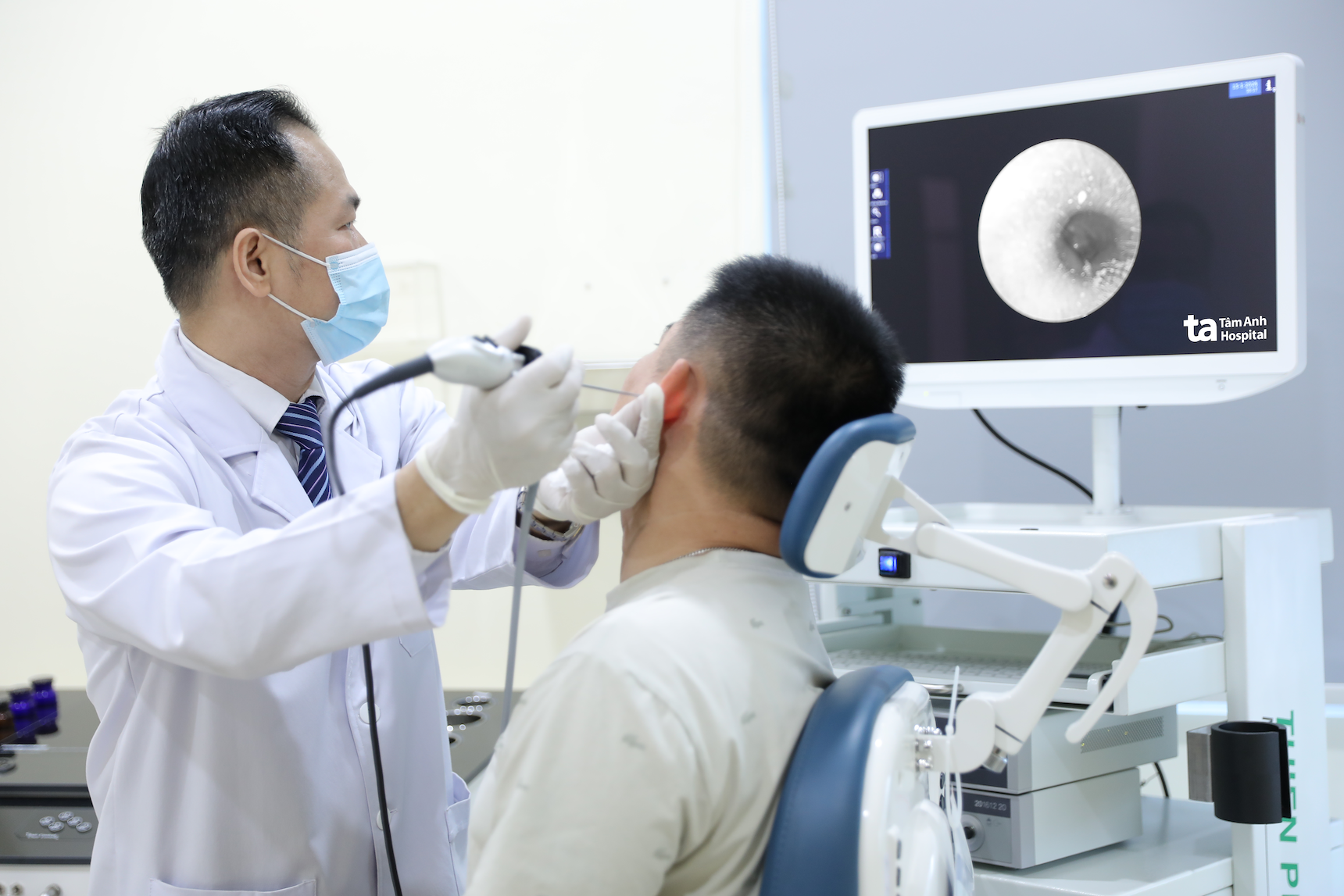 |
Doctor Phong performs an ear endoscopy for a patient. Photo: Tam Anh General Clinic District 7 |
Doctor Phong performs an ear endoscopy for a patient. Photo: Tam Anh General Clinic District 7
Ear fungus can be completely cured with the correct treatment regimen and sufficient duration. If detected early, this localized infection does not deeply invade tissues, and the prognosis for treatment is generally good.
The treatment process typically involves two steps: cleaning the ear canal (removing fungal membranes, secretions, and debris) combined with topical antifungal medication (eardrops or ointment). Some cases may require oral antifungals if the damage is widespread or recurs multiple times. The duration of treatment depends on the extent of the damage.
Whether the condition is fully cured depends on several factors, including the patient's adherence to the complete treatment course without prematurely stopping medication, even if symptoms improve. Patients also need to control risk factors by keeping their ears dry, avoiding scratching, and effectively managing underlying conditions like diabetes to prevent recurrence.
To prevent recurrent ear fungus, you must always keep your ear canal dry. Dry your ears immediately after bathing, showering, or swimming. Do not clean your ears with hard objects or share earwax removal tools.
Individuals with underlying diabetes need to manage their blood sugar effectively. Do not use corticosteroid eardrops for extended periods without medical prescription. Clean headphones regularly and limit continuous wear for long durations. If you experience symptoms such as itching, pain, or ear discharge, you should consult an ear, nose, and throat specialist for accurate diagnosis and treatment, avoiding self-medication at home.
Doctor CKI Tran Quoc Phong
Ear, Nose, and Throat Specialist
Tam Anh General Clinic District 7
| Readers can submit questions about ear, nose, and throat conditions here for doctors to answer. |