Adenovirus is a common virus that causes illness in humans, especially young children. It can lead to various conditions such as respiratory tract infections, conjunctivitis (pink eye), gastroenteritis, hemorrhagic cystitis, and other infections.
Doctor Nguyen Van Ngan, from the Respiratory Department at Tam Anh General Hospital Hanoi, states that the most common transmission route for Adenovirus is through respiratory droplets. When an infected person coughs, sneezes, talks, or has close contact, virus-containing droplets can spread into the air and attach to the mucous membranes of others' eyes, nose, or mouth. The risk of transmission is particularly high in enclosed, crowded, or poorly ventilated spaces, where droplets or aerosols (tiny particles suspended in the air) have many opportunities to contact others.
Respiratory transmission is not the only mechanism. Adenovirus is a non-enveloped virus (lacking the lipid membrane that many other viruses, like influenza, possess), which allows it to withstand environmental conditions better than many other viruses. The virus can survive for many days, even up to about 30 days at room temperature, on surfaces such as tables, door handles, toys, phones, faucets, or shared items. If a person touches these contaminated surfaces and then touches their eyes, nose, or mouth before washing their hands, the virus can enter the body and cause illness.
 |
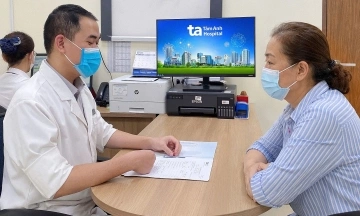
Individuals infected with Adenovirus can transmit the disease to others through respiratory droplets when coughing or sneezing. Photo: Duong Anh |
If water sources are contaminated and not treated properly (for example, insufficient chlorine concentration for disinfection), people can contract Adenovirus by accidentally swallowing contaminated water or inhaling aerosols generated during swimming or water activities. However, according to Doctor Ngan, this route is less common compared to close contact and respiratory droplet transmission.
Some Adenovirus strains also spread via the fecal-oral route. The virus is shed in the feces of infected individuals and can be transmitted to others if hand hygiene is inadequate after using the restroom or changing a child's diaper. This is a common transmission route for Adenovirus strains that cause gastroenteritis, particularly in young children.
A characteristic that makes Adenovirus easily spread in the community is its prolonged viral shedding. Even after symptoms like fever, cough, or sore throat have subsided, infected individuals can continue to carry the virus in their respiratory secretions or feces and inadvertently transmit it to others.
To prevent Adenovirus infection, doctors recommend simple measures such as frequent handwashing with soap and covering the mouth when coughing or sneezing. Individuals should limit touching their eyes, nose, or mouth before washing their hands and avoid sharing personal items. Regularly clean high-touch surfaces and stay home when ill. Swimmers should choose facilities that ensure water quality and avoid swimming if they have respiratory symptoms or pink eye, to reduce the risk of community transmission.
Minh Duong
| Readers can send questions about respiratory illnesses here for doctors to answer. |