Eng English
China 中国人

Eng English
China 中国人
  • News
  • World
  • Business
  • Entertainment
  • Sports
  • Law
  • Education
  • Health
  • Lifestyle
  • Travel
  • Science
  • Digital
  • Automobiles
  • Trở lại Thể thao
  • Health
Thursday, 17/9/2026 | 00:12 GMT+7

The habit of drinking health-boosting tea unintentionally damages kidneys

Replacing water with tea can lead to oxalate accumulation, forming kidney stones, and its diuretic effect can dehydrate kidneys while increasing the burden of toxin elimination.

Many individuals routinely consume tea instead of plain water, believing in its antioxidant properties. However, nephrologist Hong Yongxiang from Taiwan, China, warns that completely abstaining from pure water does not offer health benefits; instead, it can push the excretory organs into a critical state.

In clinical practice, Dr. Hong once treated a 60-year-old male patient who was admitted for emergency care due to severe lower back pain, painful urination with dark brown urine, and vomiting. Imaging results revealed both kidneys were filled with dense calcium oxalate stones, leading to urinary tract obstruction and acute kidney failure. The root cause was a decades-long habit of exclusively drinking strong tea in large pots, never consuming a single sip of plain water.

According to Dr. Hong Yongxiang, while tea contains beneficial compounds like polyphenols and catechins, completely substituting water with tea activates three health risks:

Oxalate accumulation causing kidney stones

Both green and black teas contain high concentrations of oxalate. Prolonged consumption of strong tea causes this substance's level in the body to surge. When excreted through the urinary tract, oxalate binds with calcium to form calcium oxalate crystals, leading to kidney stones or oxalate nephropathy.

Kidney dehydration due to diuretic effect

The caffeine content in tea leaves accelerates urine excretion. If the body eliminates large amounts of fluid without proper replenishment, it can enter a state of latent dehydration, increasing blood viscosity and reducing blood flow to the kidneys.

Increased burden of toxin clearance

Kidneys require pure water to dissolve and excrete metabolic waste. Meanwhile, components such as theophylline, phosphorus, and oxalate in strong tea demand continuous work from the kidneys to process, making this organ susceptible to overload and functional decline.
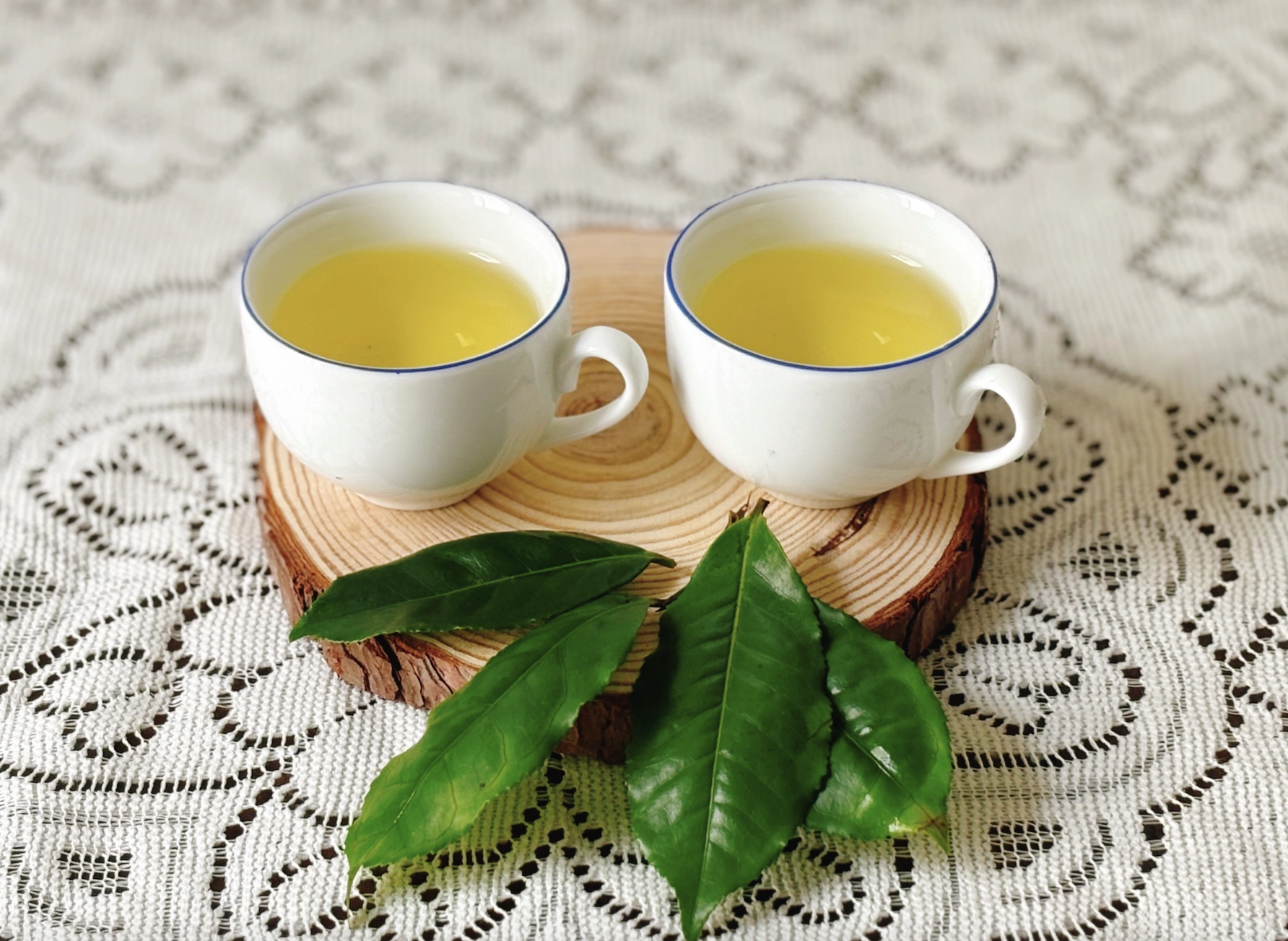
Many people have a daily habit of drinking tea instead of plain water, believing in its antioxidant properties. Illustration: Bao Bao

To enjoy the flavorful taste of tea while protecting kidney function, Dr. Hong Yongxiang recommends adhering to the golden rule of "1:1 rehydration": healthy adults must still prioritize plain water as their primary fluid source daily.

When desiring tea, individuals should follow an "alternating tea and water" mechanism: after consuming each cup of tea, the body must be replenished with at least an equivalent amount of plain water. Additionally, it is essential to avoid drinking tea on an empty stomach or consuming tea steeped for too long, as these contain highly concentrated oxalate. This approach allows one to enjoy tea while maintaining healthy kidneys.

My Y (According to Yahoo TW)
By VnExpress: https://vnexpress.net/thoi-quen-uong-tra-boi-bo-suc-khoe-vo-tinh-tan-pha-than-5120853.html
Tags: tea kidney disease

News in the same category

How long does it take for alcohol to leave your system?

How long does it take for alcohol to leave your system?

After consuming alcohol, the time it takes for it to be eliminated from the body depends on the amount consumed, drinking speed, and each individual's metabolic capacity.

Chinese expert reveals three golden rules for longevity in diet

Chinese expert reveals three golden rules for longevity in diet

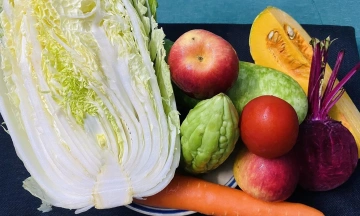
To live long, experts recommend prioritizing whole plant-based foods, choosing good fats, and strictly avoiding ultra-processed items, sugar, and salt.

Three groups of foods for gut health snacks

Three groups of foods for gut health snacks

Fermented foods, fiber-rich options, and plant compounds contribute to maintaining gut microbiota, supporting digestion, and are suitable for snacking.

What to eat for omega-3 rich heart health?

What to eat for omega-3 rich heart health?

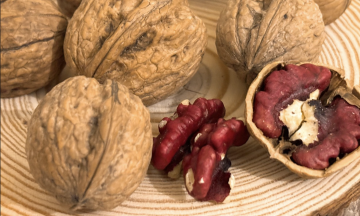
Chia seeds, flaxseeds, walnuts, soybeans, and fatty fish are rich in omega-3, vitamins, and minerals that can support cardiovascular health.

Ho Chi Minh City merges transport hospital

Ho Chi Minh City merges transport hospital

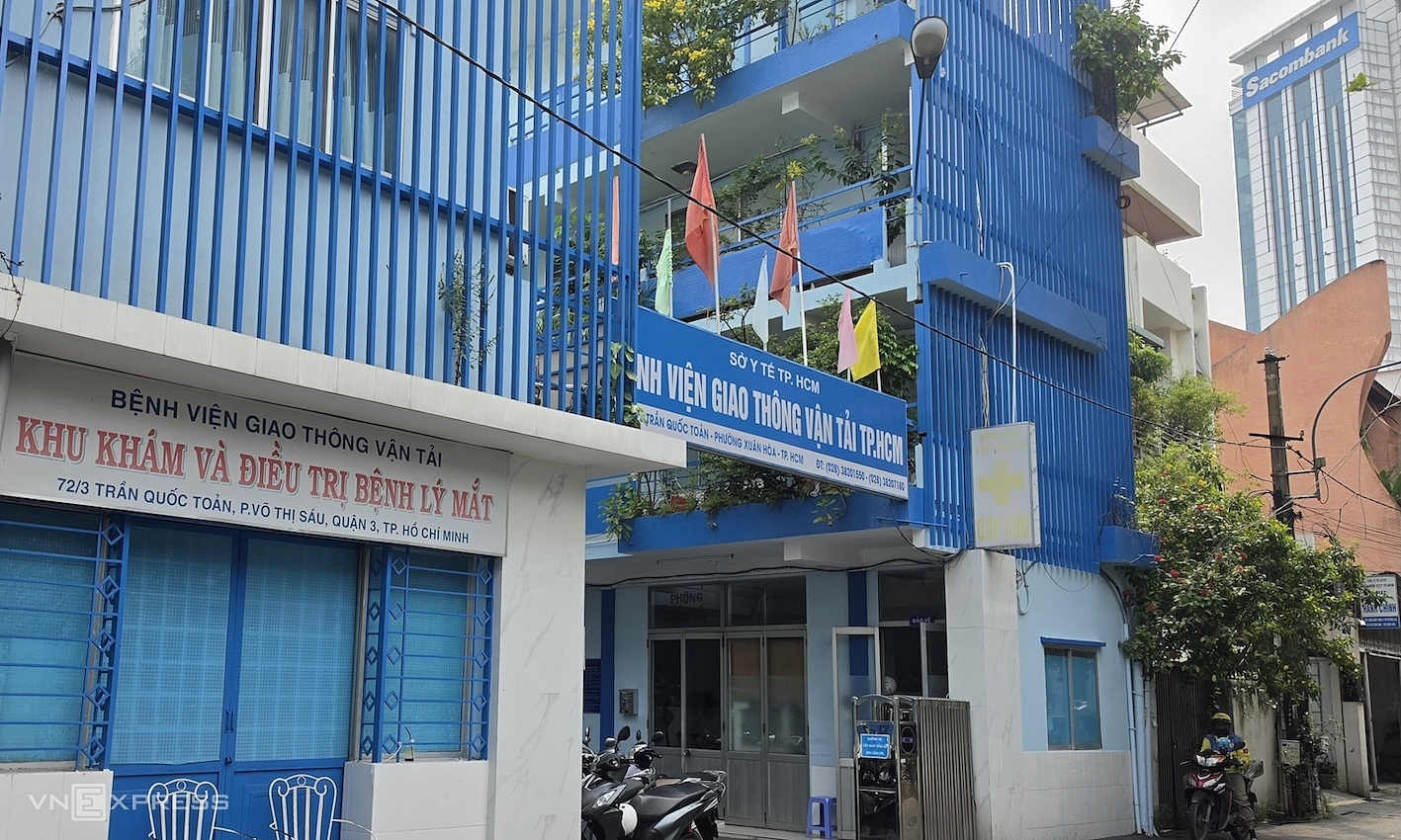
Ho Chi Minh City transport hospital ceases independent operations from 1/10, merging into the rehabilitation - occupational disease treatment hospital.

Do mild asthma sufferers need daily medication?

Do mild asthma sufferers need daily medication?

I have had asthma for about two years, and currently, coughing and wheezing attacks occur very rarely. Do I need to use daily asthma control medication? (Nguyen Mai, 20 years old)

Ho Chi Minh City health stations to partner with major hospitals to enhance treatment quality

Ho Chi Minh City health stations to partner with major hospitals to enhance treatment quality

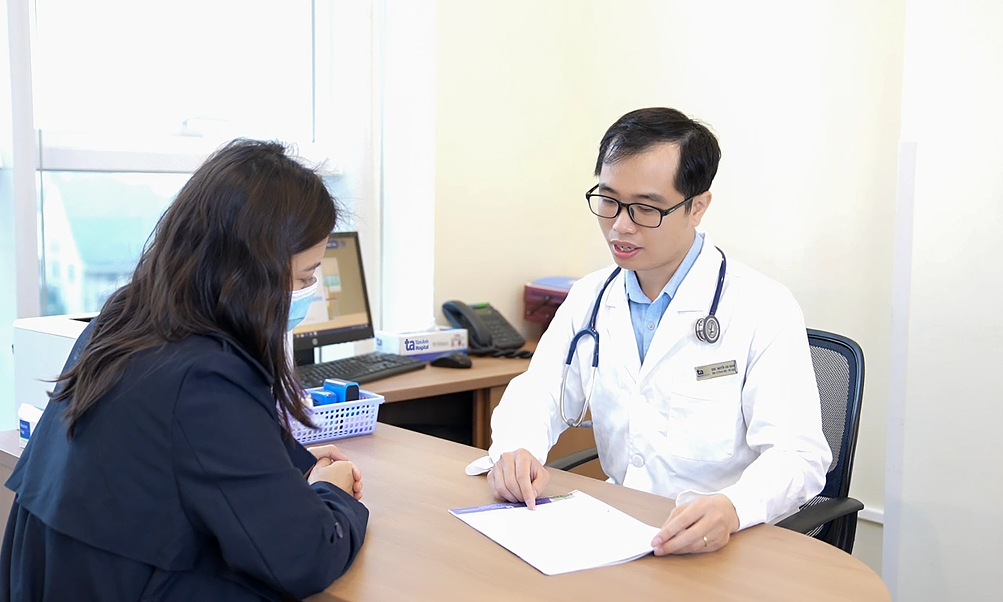
Instead of operating in isolation, each Ho Chi Minh City health station will now be partnered with a general hospital and supported by a network of specialized hospitals as needed.

4 foods low in sugar but raise blood sugar

4 foods low in sugar but raise blood sugar

White rice, bread, and some non-sweet foods can still cause blood sugar levels to spike after eating.

What to eat to help older adults sleep better?

What to eat to help older adults sleep better?

Incorporating tryptophan, magnesium, omega-3, and natural melatonin from foods like fatty fish, nuts, avocados, cherries, and kiwi can significantly improve sleep quality for older adults.

Bach Mai Hospital warns of three scam tactics targeting patients

Bach Mai Hospital warns of three scam tactics targeting patients

Malicious individuals are creating fake websites impersonating medical facilities, luring people with "fast examinations" or tempting them to buy "cancer-curing" herbal remedies to extort money from patients and their relatives.

Eng English
China 中国人
  • News
  • World
  • Business
  • Entertainment
  • Sports
  • Law
  • Education
  • Health
  • Lifestyle
  • Travel
  • Science
  • Digital
  • Automobiles
FPT Tower, 10 Pham Van Bach Street, Dich Vong Ward,
Cau Giay District, Hanoi, Vietnam
Email: contacts@vnportal.net
Tel: 028 7300 9999 - Ext 8556
Advertise with us: 090 293 9644
Register
© Copyright 2026 vnnow.net. All rights reserved.
Terms of use Privacy policy Cookies