Nam, 29, had just finished an exhausting day. His eyes were tired, yet he continued scrolling through short videos on the TikTok platform until two or three a.m. Nam, residing in Ho Chi Minh City, called this his way of "reclaiming freedom" after a day spent serving others.
A few months later, Nam clearly felt a thick "brain fog" clouding his thoughts: his mind was sluggish, and his ability to focus deeply had vanished. Complex lines of code or data tables that he once processed smoothly now appeared blurry; he had to read a simple command four to five times to understand it.
Slow reaction times and impaired short-term memory caused him to constantly miss details, make calculation errors, and experience cognitive exhaustion after just a few hours of work.
Hong, 34, a communications team leader, experienced a similar situation. What began as relaxing with her phone after a stressful workday led her to scroll through hundreds of short videos until four a.m. The consequences became apparent in a meeting when she forgot what she was about to say and struggled to formulate a strategy for a partner.
"The prefrontal cortex, responsible for analytical and creative thinking in these individuals, becomes paralyzed due to lack of sleep," stated Master of Clinical Psychology Vuong Nguyen Toan Thien, Professional Director of Lumos Psychological Counseling and Therapy Center.
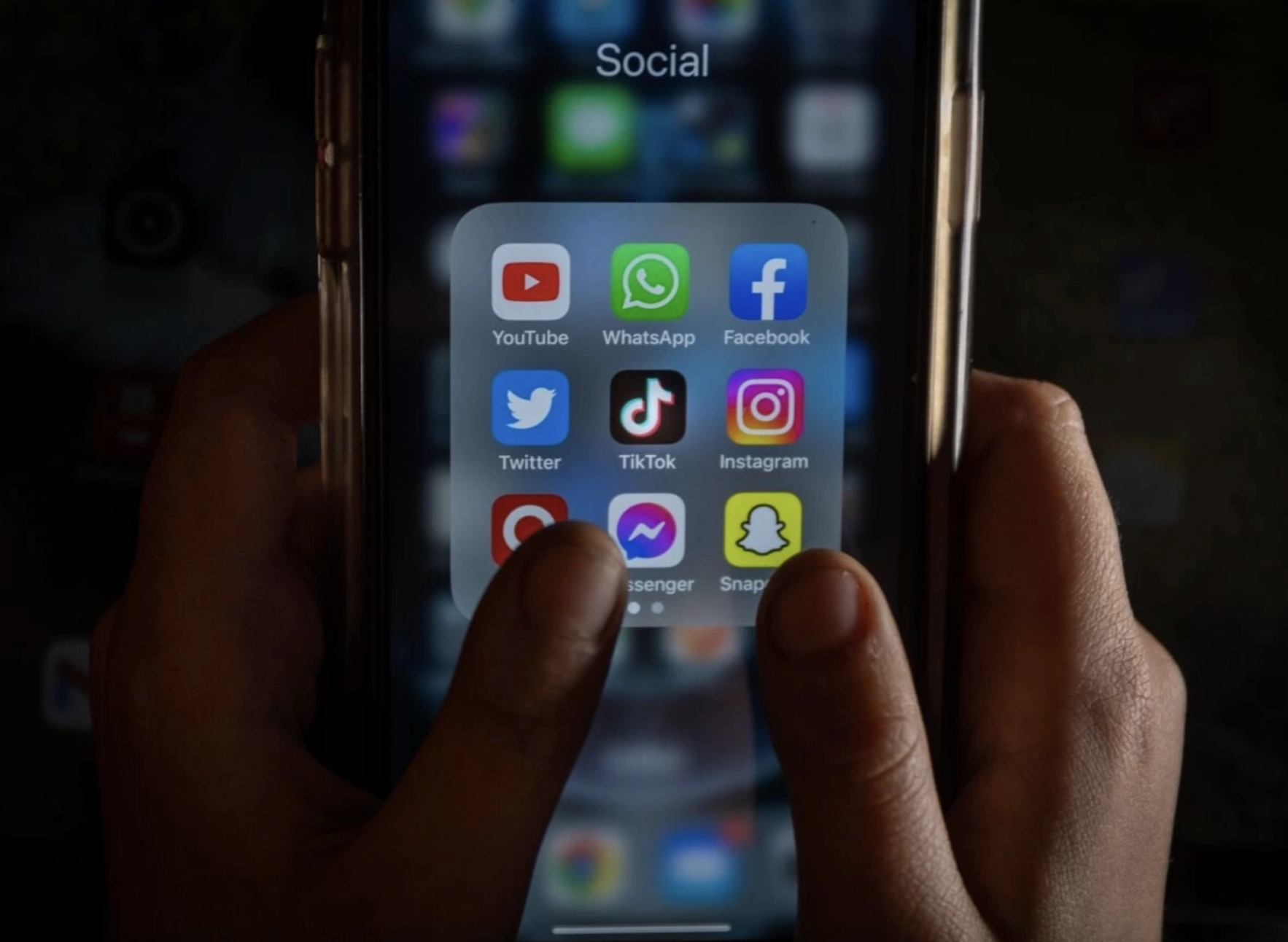 |
Some social media applications on a phone. *HP IT group* |
Thien analyzed that the phenomenon of late-night internet scrolling is actually "revenge bedtime procrastination" combined with "brain fog". After a long day drained by work and family, late night is the only time many people feel entirely their own.
"You try to linger with your phone not because you need to watch more videos, but simply to hold onto the feeling of freedom and control over your life," Thien said, adding that the price for this psychological compensation is a cascade of destructive physical reactions.
Blue light from screens tricks the biological clock into thinking it is still daytime, suppressing the sleep-inducing hormone melatonin. Meanwhile, short clips constantly stimulate the brain to release the excitatory chemical dopamine, leading the brain into a state of false alertness precisely when it needs to cool down and rest.
As a result, falling asleep becomes difficult, sleep is fragmented, and the deep sleep stage – when the brain clears toxins and reorganizes memories – is lost. This condition leads to "brain fog", causing you to wake up feeling sluggish, disoriented, and struggling to recall tasks despite no memory loss. Over time, surging levels of the stress hormone cortisol will make you irritable, anxious, and chronically fatigued.
A Harvard Medical School study published in the journal PNAS confirmed that using illuminated screens before bedtime makes it harder for people to fall asleep, reduces N3 deep sleep duration, and impairs morning alertness. When sleep is fragmented, the brain cannot adequately restore short-term memory function.
To break this vicious cycle, the expert recommends gradually reducing neural stimulation instead of abrupt cessation. Set application time limits, lower screen brightness, and switch to quiet activities such as reading a physical book or listening to calming music 45 minutes before sleep. The most crucial rule is not to bring your phone to bed, helping the brain re-establish the reflex that bed is for rest, not a movie theater.
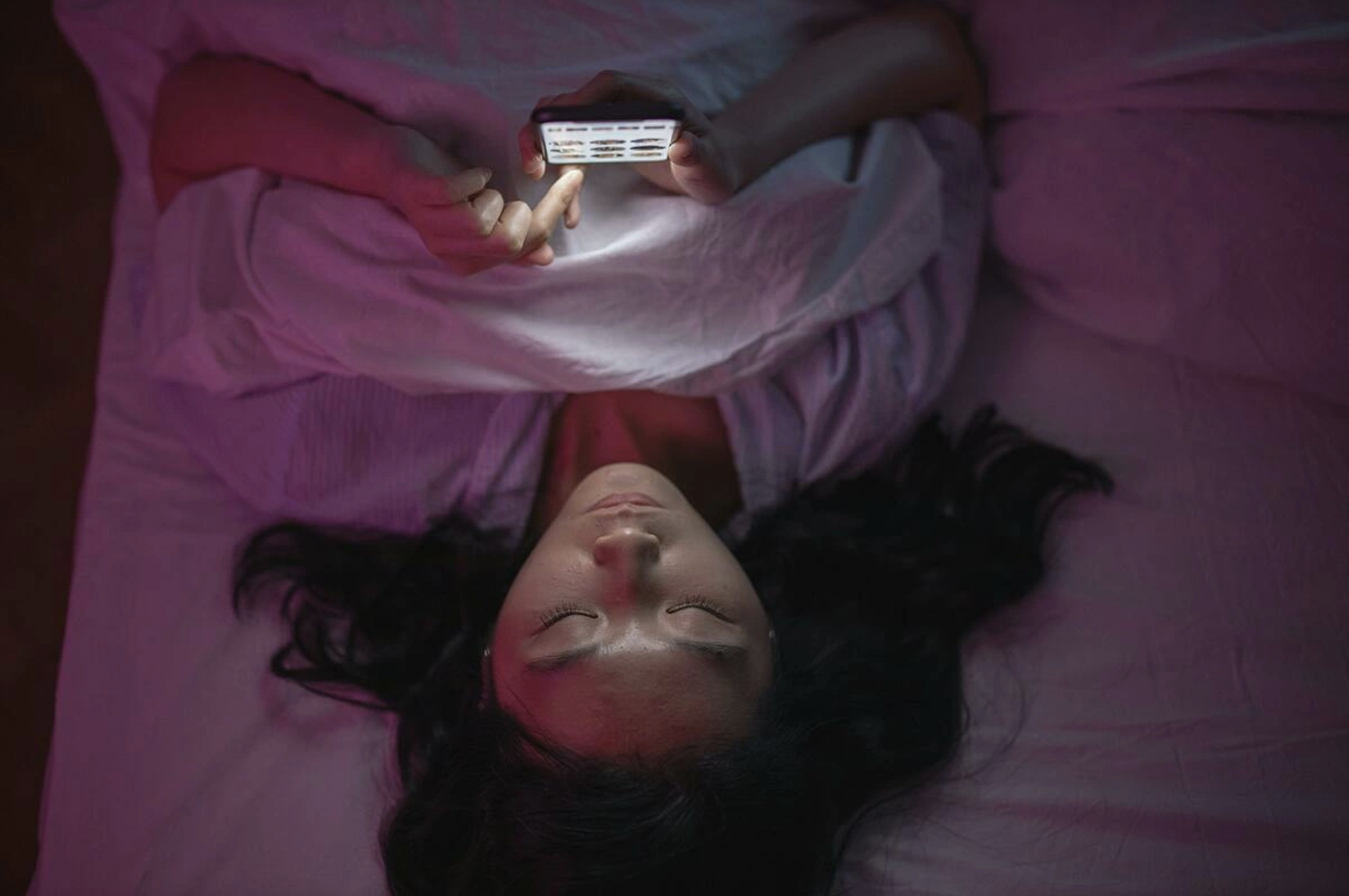 |
A teenager using a phone. *Pexel* |
The nervous system's recovery capacity depends on an individual's sleep debt. After just three nights of sufficient sleep, alertness will return. Maintaining a regular routine for two to four weeks will fully restore information processing speed. For cases of chronic sleep deprivation accompanied by anxiety, individuals should seek specialized medical evaluation instead of self-treating.
Nam once believed that his sleepless hours with his phone were a reward after an exhausting workday. However, the morning sluggishness at work forced him to reconsider the cost. As Master Thien warned: "The brain does not get tired from being used too much, but because you rarely give it a proper chance to rest."
My Y