 |
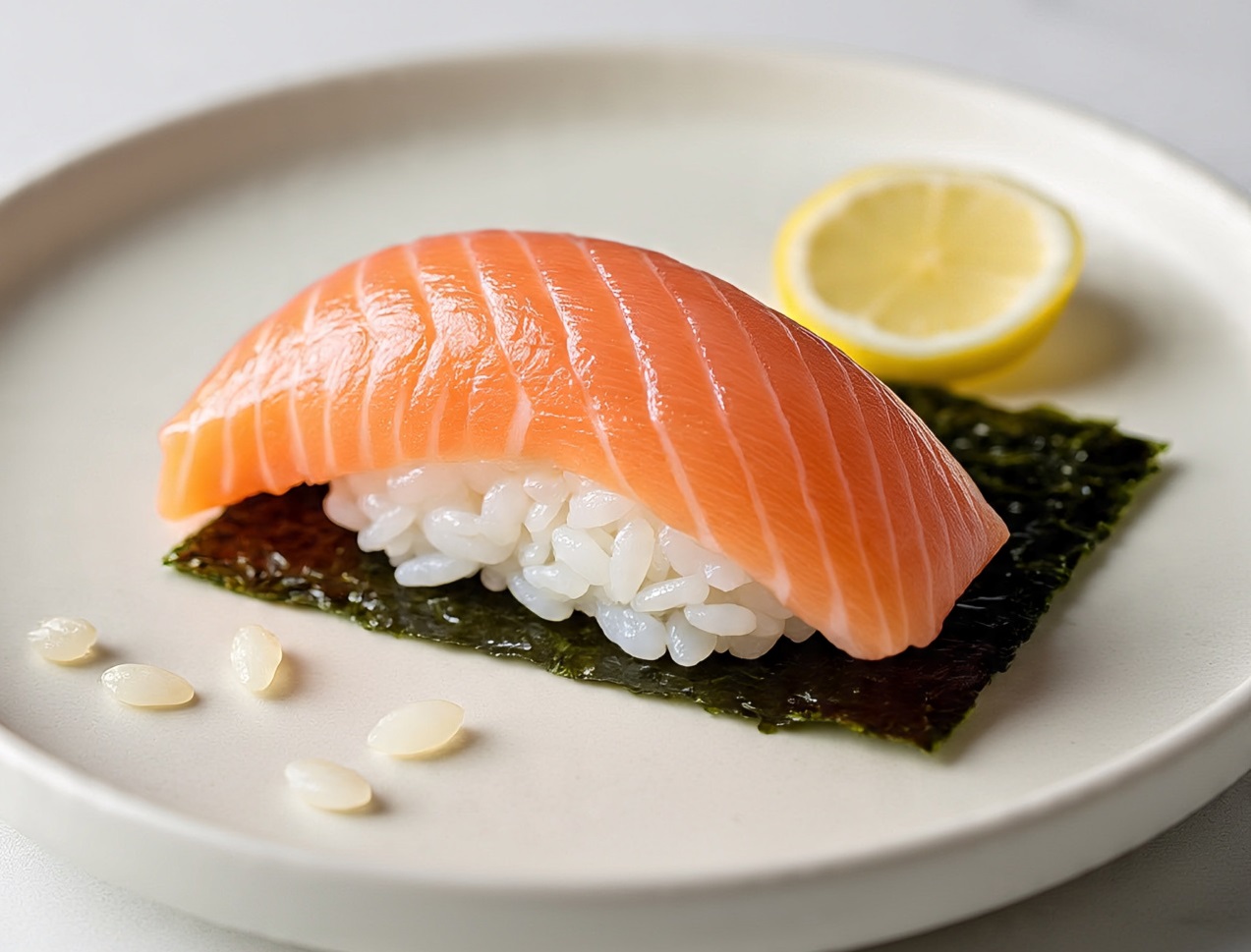
Fish and seafood, such as salmon, shrimp, and oysters, provide protein, healthy fats, and numerous vitamins and minerals. When consuming rice or other carbohydrate-rich dishes, adding fish, shrimp, or seafood increases the meal's protein content, thereby slowing digestion and carbohydrate absorption. |
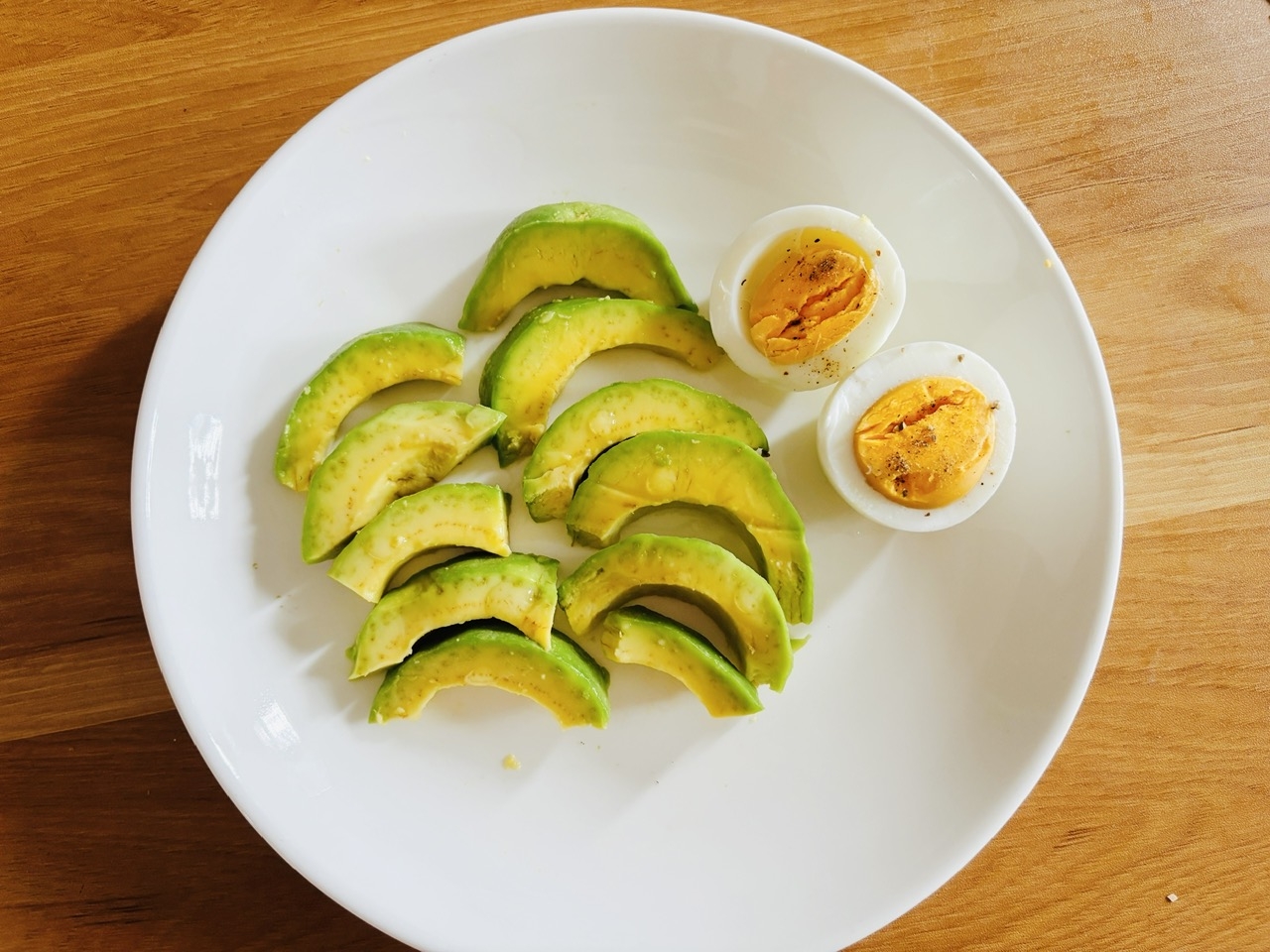 |
Avocado is low in carbohydrates but rich in fiber and unsaturated fats. One avocado, weighing approximately 201 g, provides 13,5 g of fiber. Avocados also contain magnesium, a mineral essential for insulin secretion and carbohydrate metabolism. |
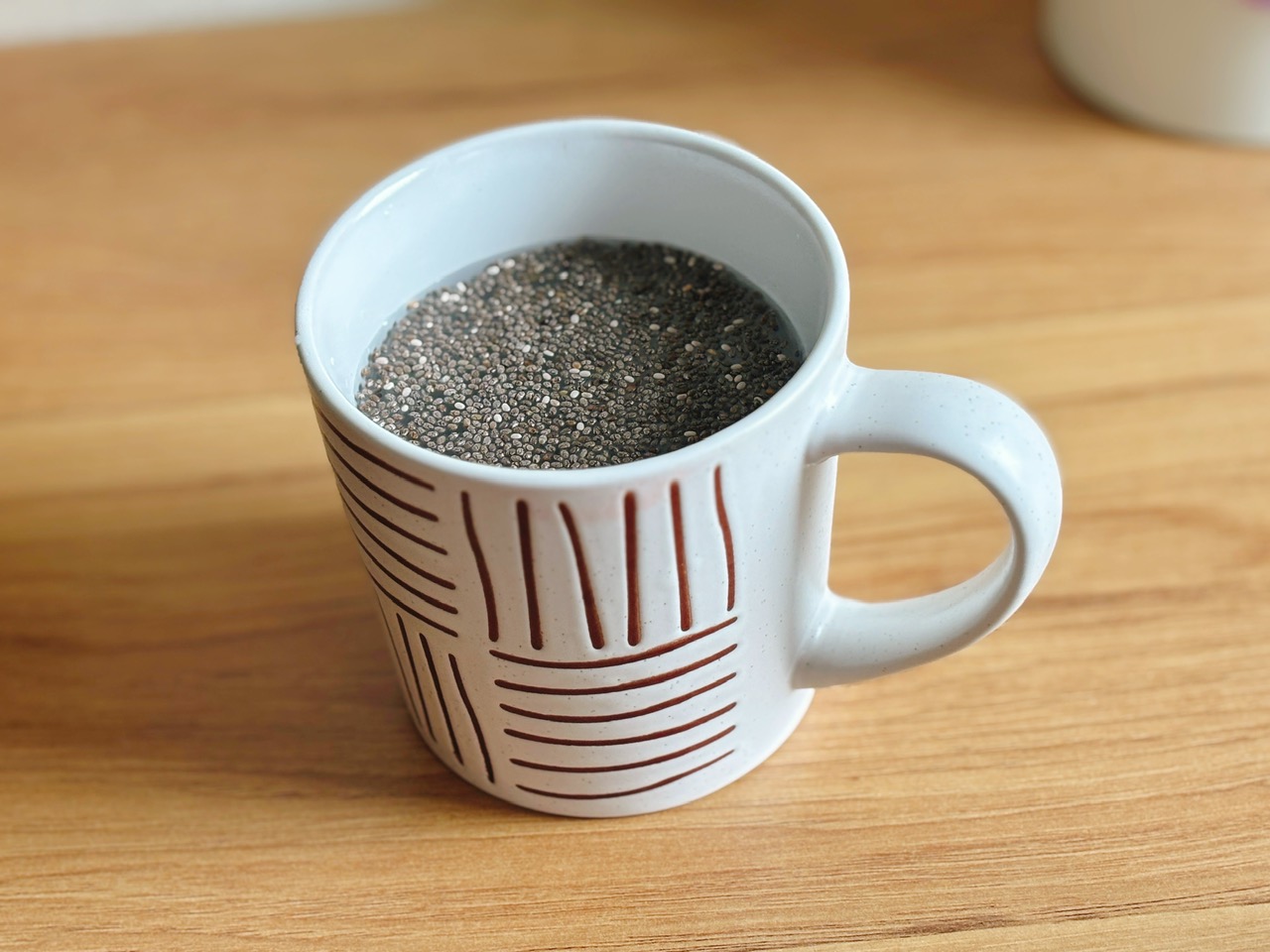 |
Chia seeds are rich in fiber, magnesium, and other nutrients beneficial for metabolism. A serving of approximately 28 g of chia seeds contains nearly 9,75 g of fiber, which helps blood sugar rise more gradually after meals. Chia seeds can be added to yogurt, oatmeal, or unsweetened beverages. |
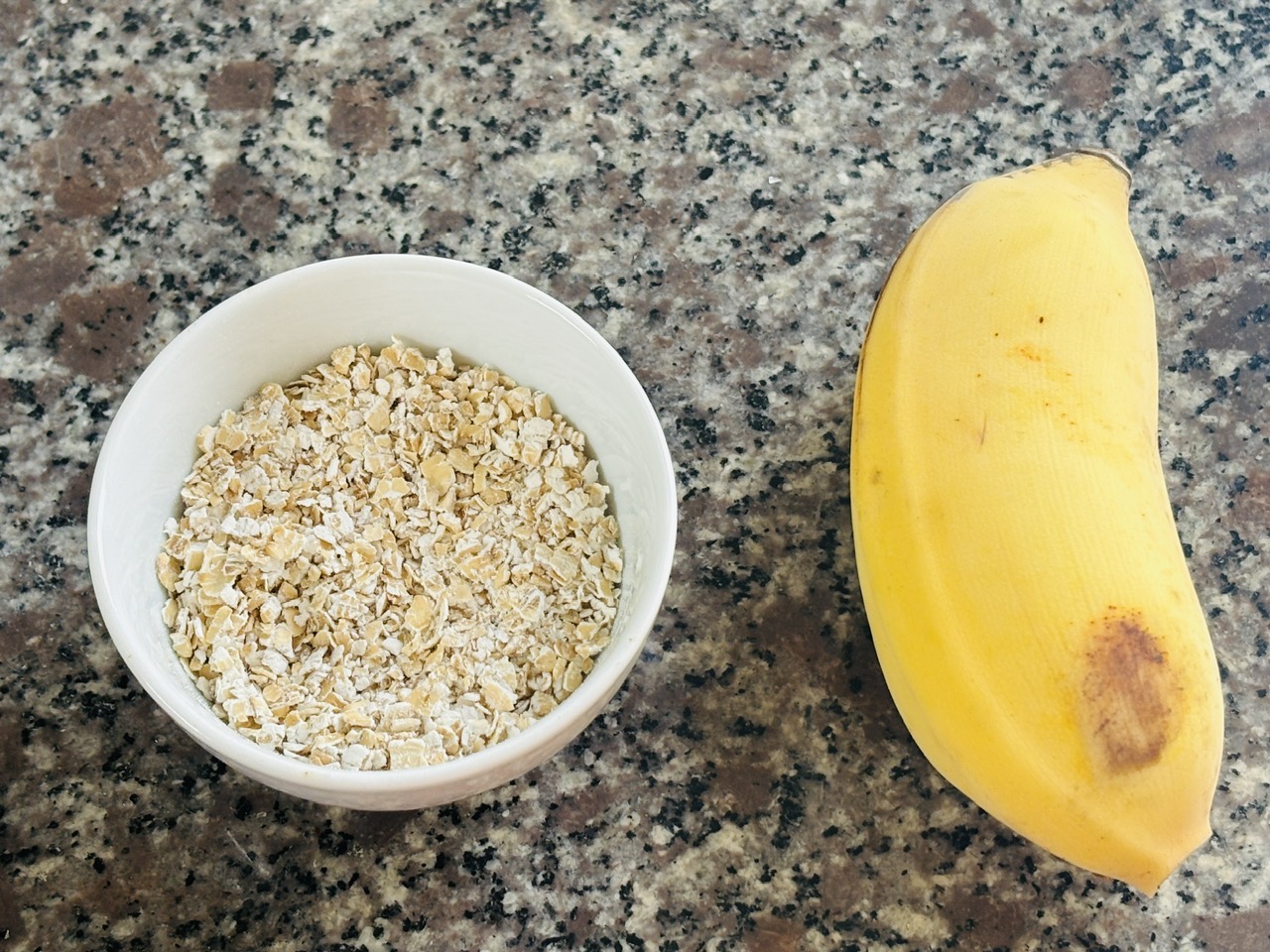 |
Oatmeal contains beta-glucan, a type of soluble fiber that can slow the absorption of sugar into the bloodstream. Whole oats, steel-cut oats, or oat bran typically have significant fiber content.
To prevent rapid blood sugar spikes, prioritize minimally processed oatmeal and avoid instant oatmeal products that contain added sugars.
 |
Unsweetened Greek yogurt can provide nearly double the protein of some regular yogurts. Protein helps slow digestion and increases satiety, thereby supporting blood sugar control after meals.
It is best to choose unsweetened Greek yogurt that contains live cultures. It can be combined with a small amount of berries, nuts, or chia seeds instead of yogurts with added sugars.
By Bao Bao (Compiled)
Photos: Bao Bao, AI