Dr. Hoang Thi Hang, Head of Nutrition at Tam Anh General Hospital, Hanoi, reported Nhat's height was 155,5 cm and his body mass index (BMI) was 13 kg/m², significantly below the normal range of 18-19 kg/m² for his age. His family noted frequent minor illnesses and a growth rate of only one kg per year since he was 12.
Dr. Hang observed Nhat's diet was minimal, primarily consisting of meat and eggs, with almost no seafood and little milk. "The child met only about 50% of his energy needs, and his diet lacked protein and variety," she stated.
To comprehensively assess nutrition and growth, doctors ordered micronutrient tests, bioelectrical impedance analysis for body composition, and Dexa scans for bone mineral density. Results revealed deficiencies in vitamin D and zinc, essential micronutrients for calcium absorption, bone mineralization, height growth, and appetite. Nhat's skeletal muscle mass was low, and his body fat ratio was only 10,9%, indicating a prolonged energy deficit. His bone density was also significantly lower than that of his peers.
Dr. Hang diagnosed Nhat with malnutrition and growth-related bone pain due to prolonged energy, protein, and micronutrient deficiencies.
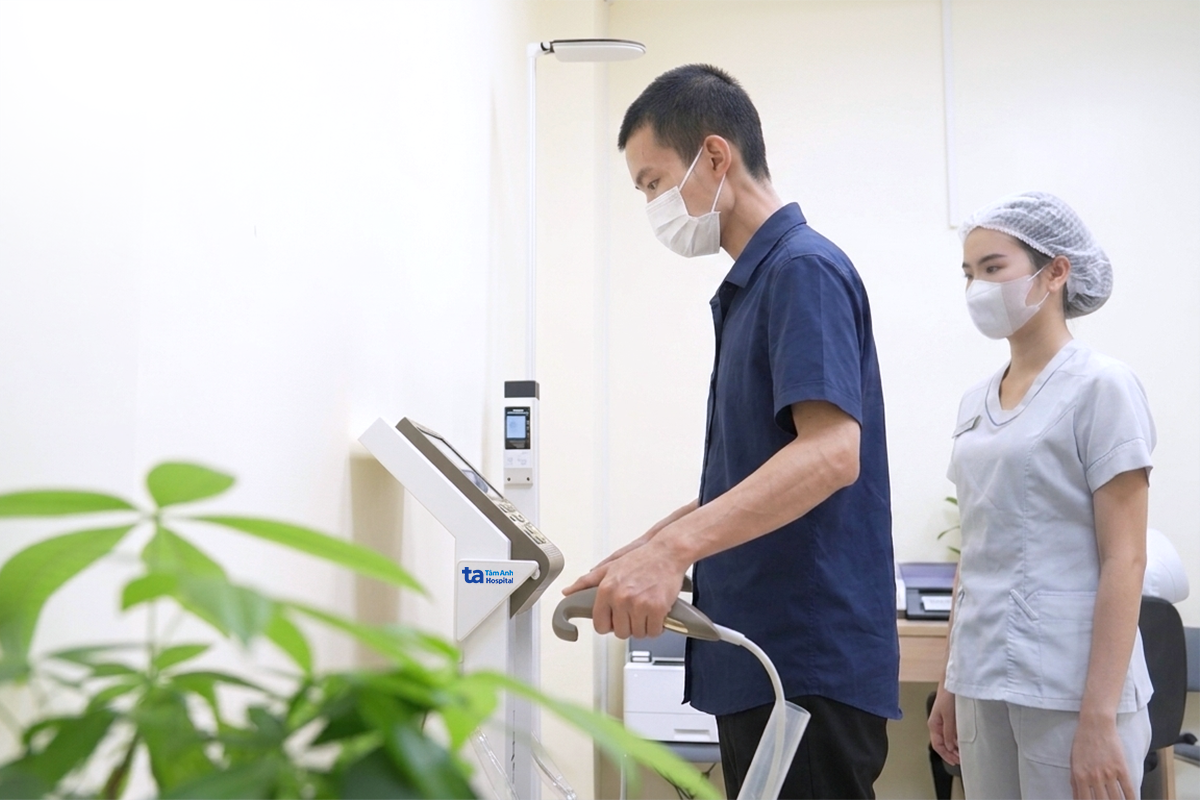 |
Nhat undergoes body measurement using an Inbody machine at Tam Anh General Hospital, Hanoi. *Photo: Hoang Duong* |
According to Dr. Hang, 14-year-old boys during puberty typically gain 4-6 kg and 7-8 cm annually. An energy-deficient diet forces the body to use fat and muscle for activity, leading to weakness, fatigue, reduced endurance, and immunity. This prolonged state can hinder height growth, bone density, and cause children to miss a crucial developmental stage.
Doctors developed an individualized nutrition plan for Nhat, ensuring sufficient energy and balanced nutrients. His diet increased protein-rich foods such as meat, fish, eggs, and milk, with varied dishes and preparation methods to suit his taste. He also received 20 g of daily protein supplements, digestive enzymes, vitamin D, zinc, and multivitamins to aid absorption and micronutrient replenishment.
After three months of treatment, Nhat gained 3,7 kg and grew 2 cm taller. His dietary intake improved, from meeting about 50% of his needs to nearly 80%. He now eats a wider variety of foods, drinks milk, and consumes protein sources he previously refused. His leg pain decreased, and he sleeps better.
Dr. Hang stated that the treatment helped Nhat gain weight, providing enough energy and nutrients to restore muscle mass and bone health, enabling him to catch up with pubertal growth. This period is the "golden" final stage where children achieve about 20-25% of their adult height and accumulate 40-60% of their peak bone mass.
When children experience slow weight or height gain, prolonged anorexia, bone and joint pain, poor sleep, or frequent fatigue, a specialized nutritional examination is necessary for a comprehensive assessment.
Trinh Mai