About 10 years ago, a man in Hanoi began experiencing gout pain in his toe and finger joints. The pain soon spread to his ankles, knees, and elbows. Due to his young age and work commitments, he did not seek specialized medical examination or thorough treatment.
Each time joint pain flared, he would take painkillers for a few days, resuming use with each recurrence. He only sought medical attention when the pain became unmanageable.
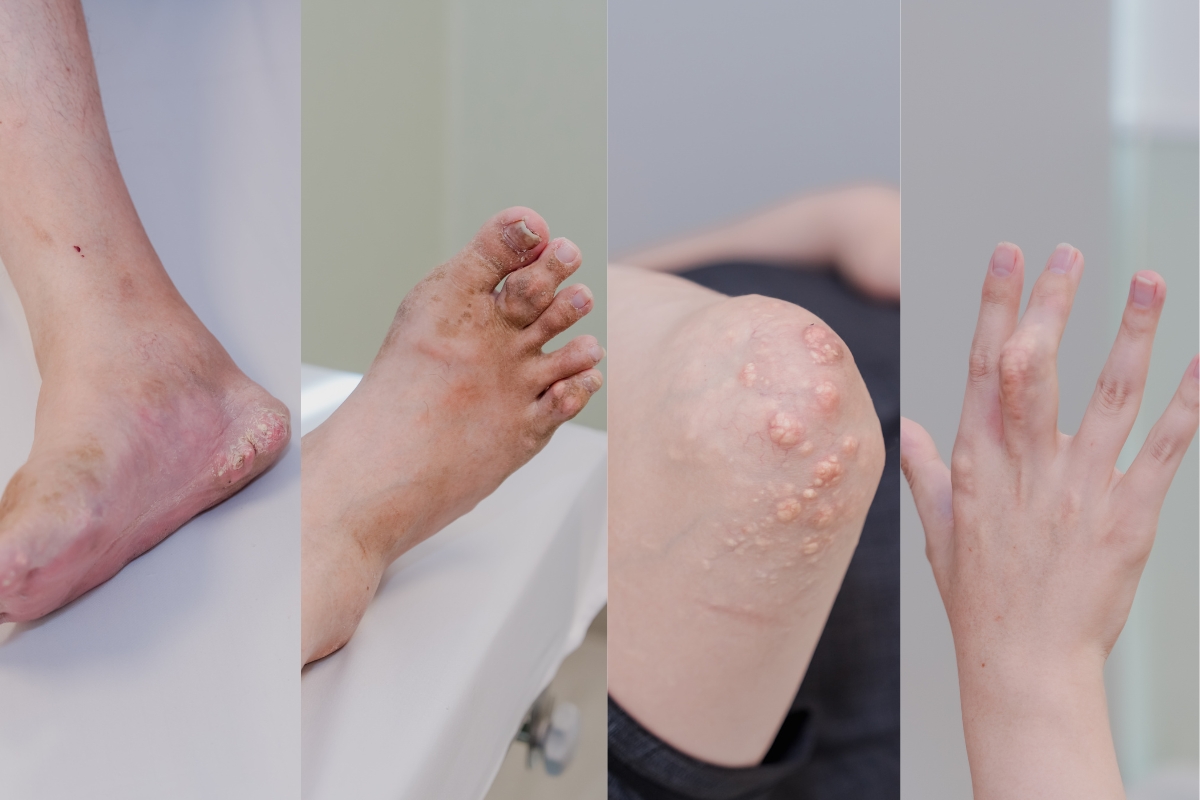 |
Tophi nodules appeared in many joints, causing deformities. *Photo: Hospital provided*
Associate Professor, Doctor Nguyen Thi Ngoc Lan, from the Department of Musculoskeletal Medicine at Hong Ngoc General Hospital, examined the patient. She identified numerous tophi nodules on his feet, ankles, knees, hands, elbows, and under his skin. Several nodules on his feet had grown large, causing joint deformities and presenting a risk of rupture, ulceration, and infection.
The patient had also gained about 20 kg, exhibiting edema, a rounded face, abdominal fat, thin skin, muscle atrophy, and purple stretch marks on his abdomen, thighs, and upper arms. Doctor Lan stated these symptoms indicated Cushing's syndrome, likely caused by prolonged use of glucocorticoid-containing medications.
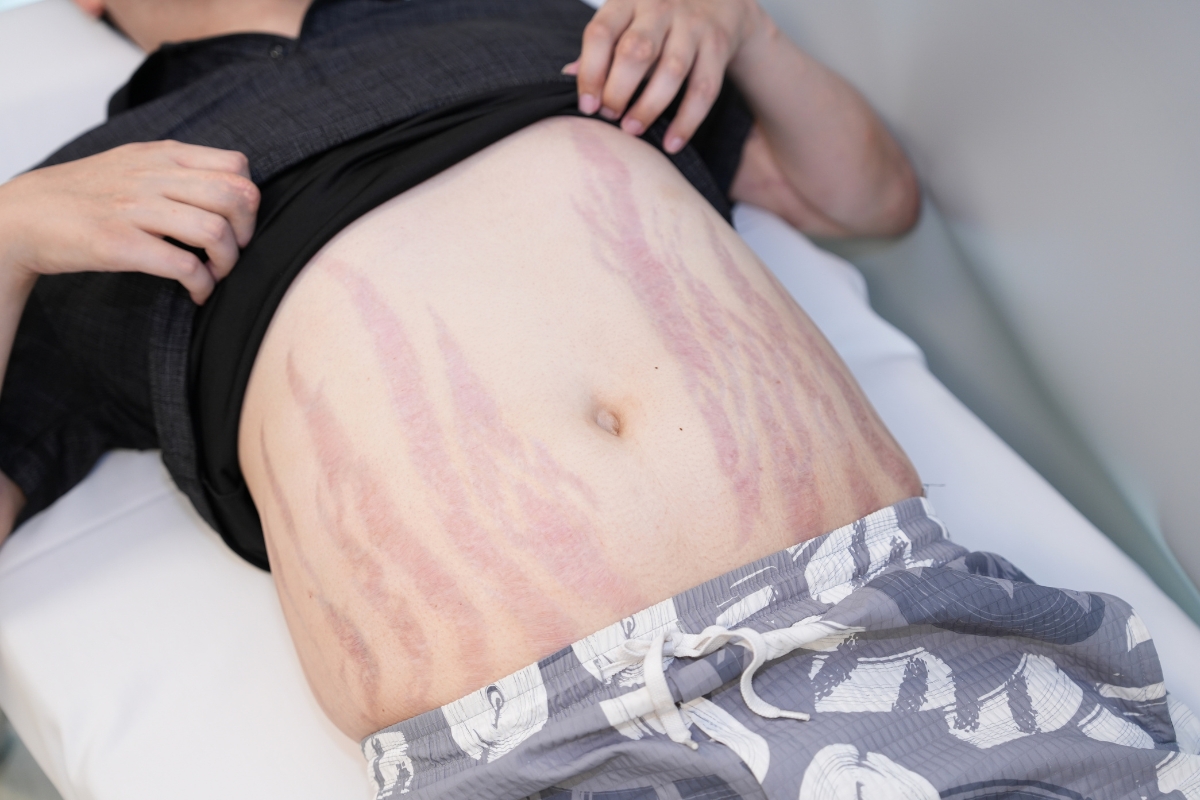 |
The patient's body was edematous, with many stretch marks. *Photo: Hospital provided*
Upon reviewing his medical history, Doctor Lan confirmed the patient had self-administered various medications, including painkillers and anti-inflammatory drugs containing glucocorticoids, over an extended period without a prescription.
Associate Professor Lan explained that glucocorticoids offer potent anti-inflammatory and pain-relieving effects, quickly easing acute gout attacks. This often misleads patients into believing their condition is resolved, causing them to self-medicate with each recurrence. Prolonged, unsupervised use risks drug-induced Cushing's syndrome, hypertension, diabetes, osteoporosis, or cataracts.
Doctor Lan initiated internal medicine treatment and provided guidance on diet and exercise adjustments. The primary goals were to control uric acid levels, limit acute gout recurrences, halt the growth of tophi nodules, and protect his joints, liver, and kidneys. His adrenal insufficiency and other co-existing conditions were also closely monitored.
Once stable, the patient may undergo surgery to remove large tophi nodules that restrict movement or pose risks of rupture, ulceration, or infection.
After one month, the patient's symptoms improved. Doctor Lan instructed him to continue adhering to the treatment regimen, refrain from self-medicating with painkillers, and attend scheduled follow-up appointments.
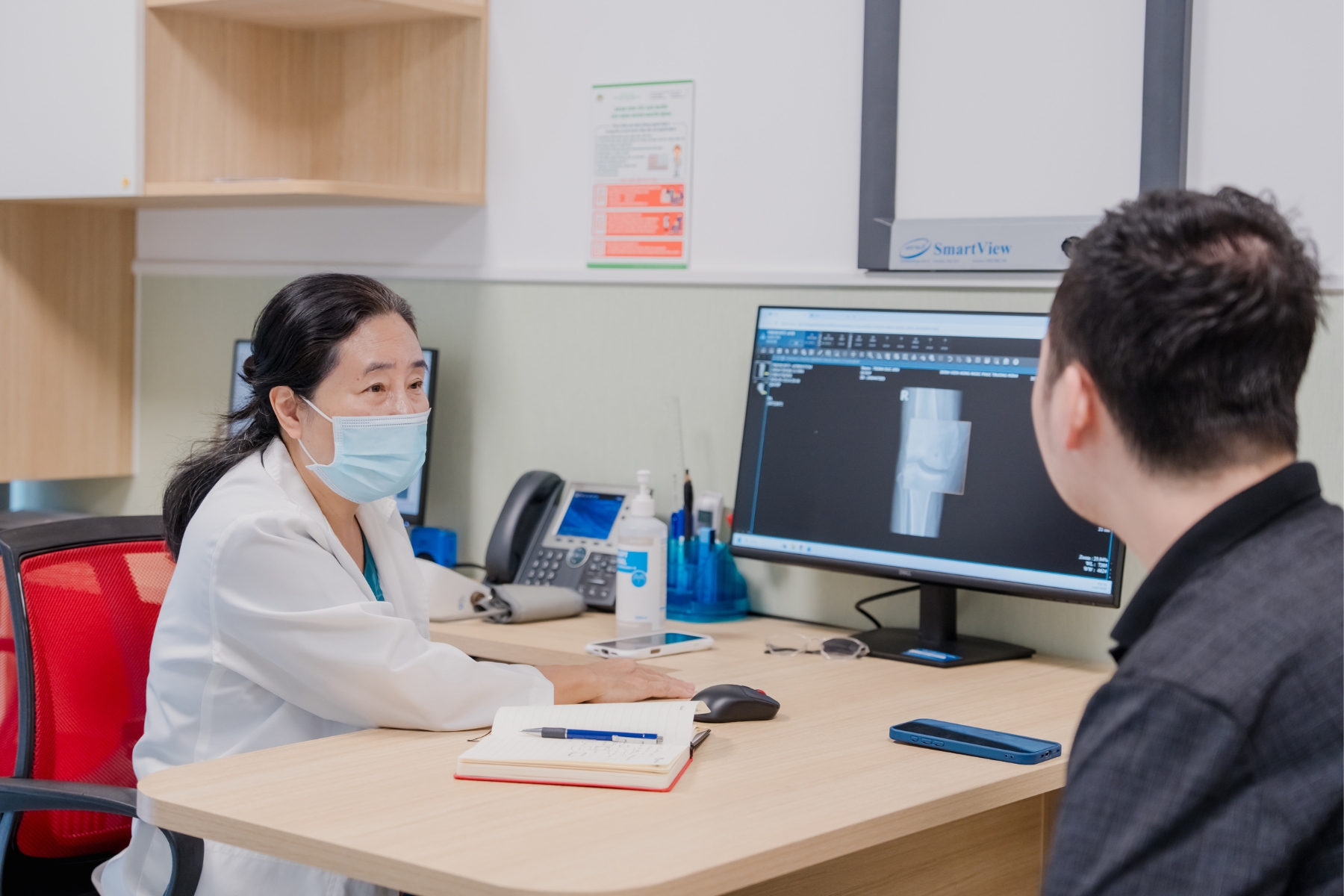 |
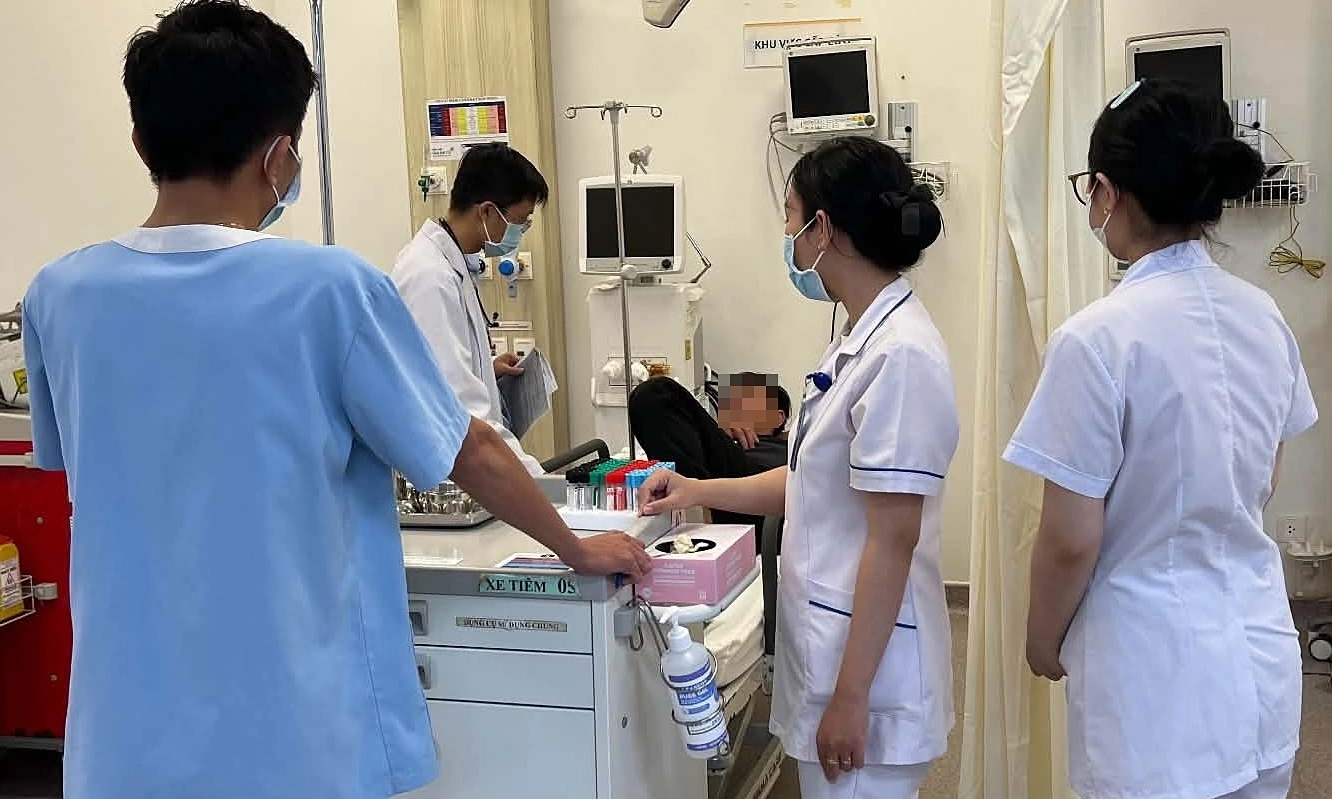
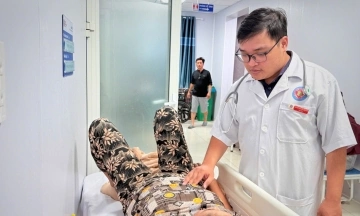
Associate Professor, Doctor Nguyen Thi Ngoc Lan consults with the patient on his treatment plan. *Photo: Hospital provided*
Associate Professor Lan emphasized that gout patients require long-term treatment to control uric acid, not just medication for pain relief. She also warned against self-purchasing painkillers or using products advertised as "miracle cures" for joint pain.
When joint pain or swelling recurs, patients should seek medical attention to determine the cause and receive proper treatment. Incorrect medication can mask symptoms, allowing the disease to progress and increasing the risk of adverse side effects.
Van Ha