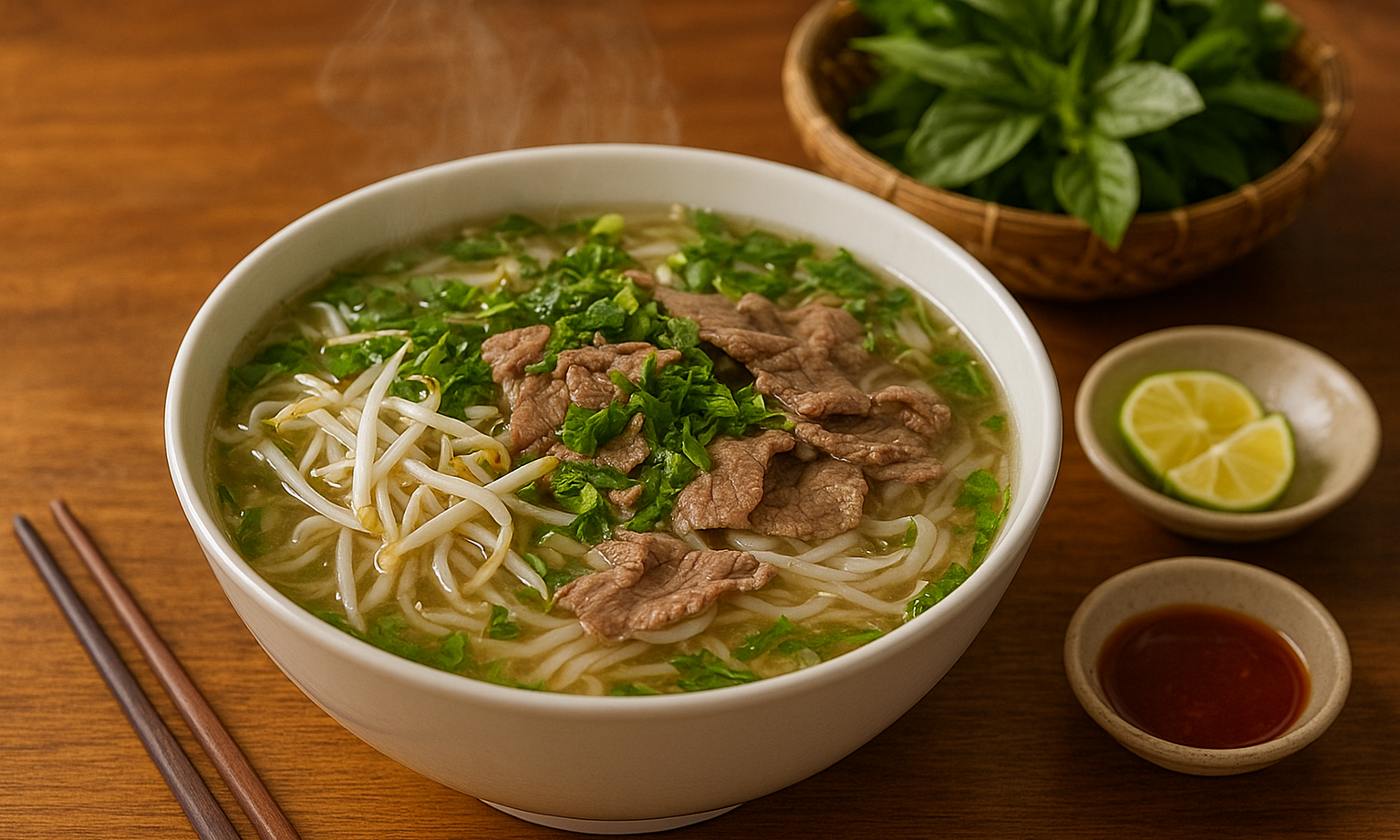
Pho, a staple Vietnamese soup, offers a unique blend of flavors and ingredients. It is typically prepared with a rich broth made from beef bones, ginger, onions, and various spices, simmered for several hours. After the broth is ready, rice noodles are added, along with aromatic herbs like cilantro or basil. Finally, thinly sliced beef or chicken is cooked in the hot broth. Some people enhance their pho with additions such as bean sprouts, fresh vegetables, chili, or a squeeze of lime.
Beyond its comforting taste, pho provides several health advantages, stemming from its diverse nutritional components.
Bone broth, a base for pho, contains glucosamine, chondroitin, and collagen. These compounds are known to support joint health; however, the quantities typically found in a serving of pho are often small.
Ginger, another key ingredient, contains gingerol, a compound with anti-inflammatory and antioxidant properties. Gingerol can help reduce pain and inflammation associated with conditions like arthritis.
Furthermore, the fresh herbs and vegetables commonly added to pho, such as basil, cilantro, green onions, and chili, are packed with essential nutrients and potent anti-inflammatory compounds.
 |
Pho stands out as an excellent source of protein, crucial for various bodily functions. Most pho varieties include a significant amount of meat like beef, pork, or chicken, or plant-based protein like tofu. A one 475 ml serving can provide about 30 g of protein. Adequate protein intake is vital as this macronutrient plays a fundamental role in building muscles, tendons, organs, skin, and hormones. It is also essential for numerous other bodily processes. The recommended dietary protein intake is 0,8 g per kilogram of body weight daily, and eating pho as part of a balanced diet can help individuals meet this requirement.
For those avoiding gluten, pho often presents a suitable meal choice. The rice noodles, made from rice vermicelli, are typically gluten-free, making pho an accessible option for individuals with gluten sensitivities or those following a gluten-free diet.
|
Despite its benefits, regularly consuming pho also comes with potential health considerations.
A significant concern with pho is its potentially high sodium content. The broth often contains high levels of sodium, with nearly 1,000 mg of sodium per 240 ml serving. Given that adults should not consume more than 2,300 mg of sodium daily, just one serving of pho can account for about half of the recommended daily intake. Excessive sodium intake can have negative health effects for some individuals, particularly by increasing blood pressure. To mitigate this, the best approach is to make your own bone broth, allowing for sodium control, or to choose lower-sodium commercial varieties.
The calorie count in pho can fluctuate significantly, depending on the type of noodles and meat used, requiring mindful choices. To manage calorie intake, opt for higher-fiber rice noodles, such as brown rice noodles, as fiber promotes satiety and can help reduce overall calorie consumption. You can also boost fiber and nutrient content by adding more vegetables like mushrooms, carrots, bean sprouts, or dark leafy greens. When selecting meat, choose leaner cuts of beef, such as sirloin, or other lean protein options like chicken or tofu, to control fat and calorie intake. Incorporating more vegetables and lean protein while reducing the amount of noodles in your pho can help you feel full faster, thereby preventing overeating.
Bao Bao (According to Healthline)