According to Master, Doctor Do Thi Thu Trang from the Fertility Support Center at Tam Anh General Hospital, ovarian stimulation is a critical step in assisted reproductive technology. It involves using injectable hormones to encourage the ovaries to develop multiple egg follicles simultaneously, helping eggs mature and increasing the chances of conception. During the post-stimulation phase, a tailored nutritional diet can optimize egg quality, enhance uterine lining health, balance hormones, and help mitigate side effects.
Dr. Trang suggests several types of foods women should incorporate after ovarian stimulation:
Healthy protein-rich foods
Protein is an essential nutrient for women preparing for pregnancy or undergoing ovarian stimulation. It aids in body recovery when ovaries are highly active, stabilizes blood sugar, reduces abdominal bloating and mild swelling, and optimizes the environment for follicle development.
Dr. Trang advises women undergoing ovarian stimulation to consume approximately 1,2-1,5 g of protein per kg of body weight daily. Prioritize fish, white meat, eggs, Greek yogurt, tofu, and legumes. Distribute protein intake evenly across meals, and limit simple carbohydrates and sweets to avoid bloating and water retention.
 |
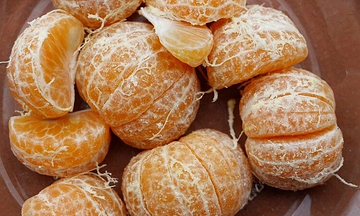
After ovarian stimulation, women should consume a diverse range of healthy foods. Illustration: Minh Phuong |
Grains and nuts
Whole grains and nuts, rich in fiber, B vitamins, magnesium, zinc, and antioxidants, help stabilize blood sugar and support metabolism during a period of intense hormonal activity. Whole grains also assist in glucose control and reduce insulin fluctuations, benefiting hormonal balance and reproductive health. Many nuts contain lignans, antioxidant compounds that can reduce oxidative stress—a factor that may affect follicle development and egg quality.
The complex carbohydrates in these foods provide sustained energy, preventing sudden blood sugar spikes or bloating, thereby helping women maintain stable physical condition throughout the ovarian stimulation process. Women should choose oats, brown rice, quinoa, flaxseed, almonds, and walnuts for daily consumption, replacing refined carbohydrates. These can be added to breakfast, snacks, or mixed into salads to ensure diverse micronutrient intake and optimal ovarian support.
Fresh fruits and vegetables
Green vegetables, root vegetables, and fresh fruits provide vitamins, minerals (such as folate, vitamin C, carotenoids), fiber, and antioxidant compounds that protect egg cells from free radicals, supporting ovarian function, oocyte, and embryo quality. Dr. Trang states that women who consume a high amount of fruits and vegetables before and during fertility treatment have higher rates of pregnancy and live births compared to those who consume fewer.
Fiber from fruits and vegetables also helps stabilize digestion, balance metabolism, prevent blood sugar increases and insulin fluctuations, and maintain hormonal stability during ovarian stimulation. After ovarian stimulation, it is advisable to consume at least 400 g of fresh fruits and vegetables daily, incorporating a variety of green vegetables and colorful fruits (red, orange, purple, green).
Good fats
Good fats such as omega-3, omega-6, and monounsaturated fats from fatty fish, avocados, olive oil, and various nuts are recommended in women's diets. These fats are involved in the synthesis of sex hormones, inflammation regulation, and improvement of the metabolic environment.
A diet rich in unsaturated fats, especially omega-3, is linked to better oocyte quality and favorable ovarian response, whereas saturated and trans fats can impair ovarian function. Good fats also help protect cell membranes, support the absorption of fat-soluble vitamins, and maintain ovarian tissue activity.
Women preparing for pregnancy or undergoing ovarian stimulation should prioritize salmon, mackerel, avocados, olive oil, and various nuts, while limiting saturated and trans fats to support hormonal balance and improve reproductive health.
Hang Tran
| Readers can submit questions about infertility here for a doctor's response. |