Following the extended festive meals during Tet, acute gastroenteritis caused by bacteria or food toxins is common. While most cases are mild, improper management or misjudging the level of dehydration can quickly worsen the condition.
Doctor of second-degree specialization Lam Nguyen Thuy An, from University Medical Center Ho Chi Minh City - Campus 3, states that in acute diarrhea, the most important factors are the patient's level of dehydration and overall condition, not merely the frequency of bowel movements.
**The "golden rule" for rehydration**
Patients can monitor themselves at home if they experience only a few episodes of diarrhea, no continuous vomiting, can still drink fluids, and do not have a high fever. The primary choice for rehydration is an oral rehydration solution (Oresol).
To ensure proper preparation: Carefully read the instructions to mix the correct amount of water (typically 200 ml or one liter). Do not mix it more concentrated, as this increases sodium levels, which can be dangerous for young children. Conversely, do not dilute it further, as this reduces its effectiveness in mineral replacement.
For scientific consumption: Drink in small sips, frequently. After each loose bowel movement, adults should drink an additional 200-250 ml; children should drink approximately 10 ml per kilogram of body weight.
Important note: The mixed solution is only effective for 24 hours. Avoid using carbonated soft drinks, alcohol, or beer for rehydration, as these can worsen dehydration and irritate the stomach.
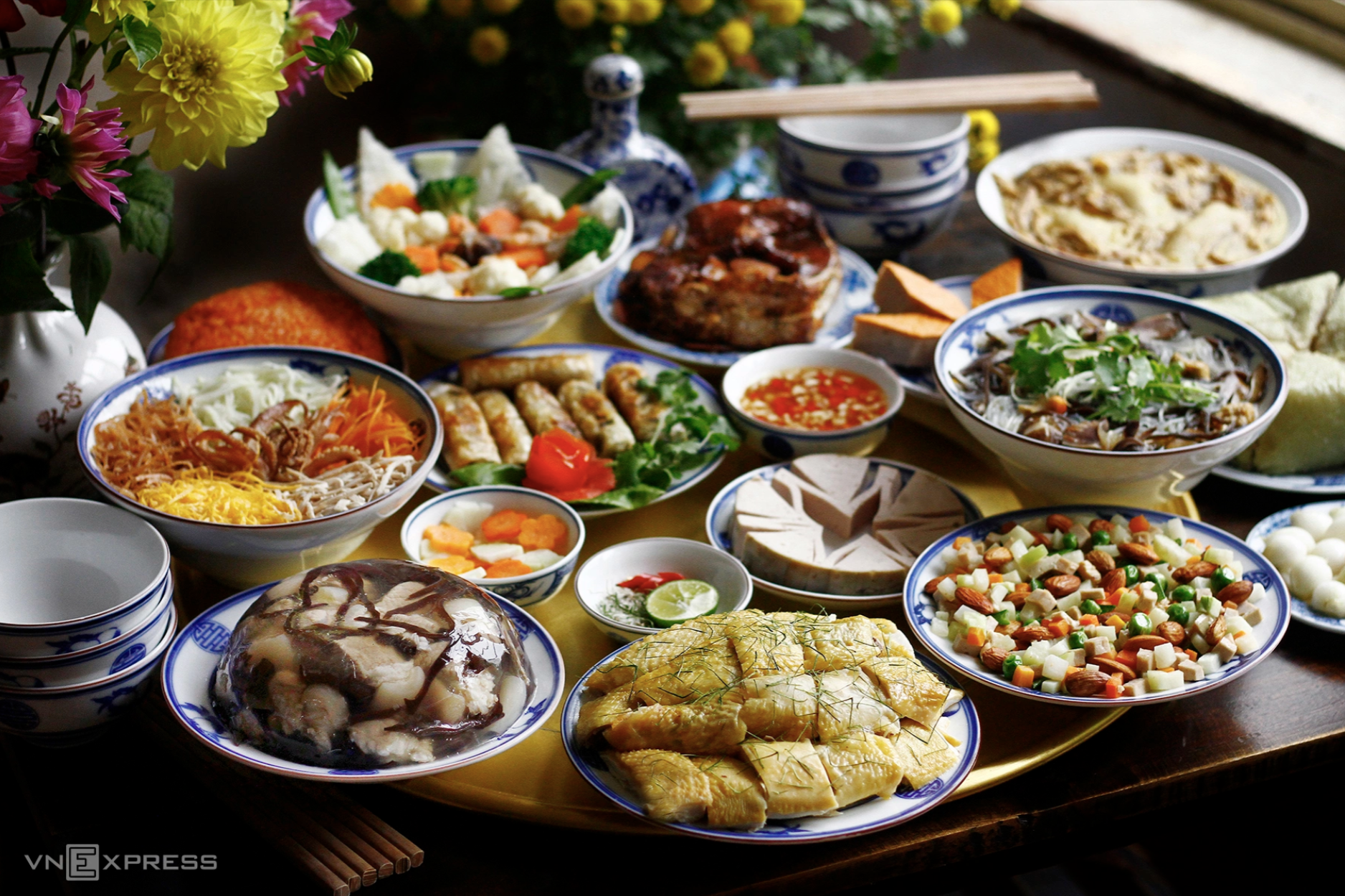 |
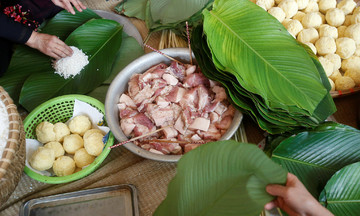
Traditional Tet eve feast of Hanoians. Photo: Bui Thuy
**Mistakes to avoid**
Doctor An highlights common mistakes many families make:
Only drinking plain water: Plain water does not replace lost sodium and potassium, which can lead to prolonged fatigue and muscle cramps.
Self-medicating with anti-diarrhea drugs: Slowing bowel movements without knowing the underlying cause can trap pathogens and bacteria in the digestive tract for longer periods.
Overusing antibiotics: Most acute diarrhea cases are caused by viruses, making antibiotics ineffective. Furthermore, antibiotics can disrupt the beneficial gut microbiota.
Complete fasting: The body still requires energy to repair the intestinal lining. Therefore, it is advisable to maintain a liquid, easily digestible diet.
**When to seek immediate hospitalization?**
Patients should be taken to a medical facility immediately if any of the following "warning signs" appear:
Severe dehydration: Characterized by extreme thirst but inability to drink, dry lips, sunken eyes, dry skin, and significantly reduced urine output.
Neurological symptoms: Including lethargy, drowsiness, or difficulty waking the patient.
Signs of infection: Such as a fever of 38,5 degrees Celsius or higher, severe cramping abdominal pain, bloody diarrhea, or black stool.
Continuous vomiting: Rendering the patient unable to keep down water or any other fluids.
Elderly individuals, young children, pregnant women, or those with chronic conditions (such as diabetes, kidney failure, or immunosuppression) can dehydrate very rapidly. This group requires early medical assessment and should not be monitored at home for too long.
From a traditional medicine perspective, rehydration is essential for preserving body fluids. Early recognition of complications and proper electrolyte replacement are fundamental to a safe recovery from food poisoning.
My Y