The liver performs many functions, including metabolizing nutrients, providing energy, filtering blood, and detoxifying the body. During Tet, many families host parties, consuming more alcohol, soft drinks, and sweets. Additionally, altered daily routines, such as staying up late and irregular meal times, can overwork the liver, potentially impairing its function.
Nhan tran, also known as 'che noi', 'che cat', mountain patchouli, or blue glandular fragrant plant, encompasses several varieties: Adesnosma caeruleum, Adnosma capitatum Benth, and Artemisia capillaris Thunb. This herbaceous plant typically grows to 0,5-1 meter tall, with hairy stems and leaves, and a fragrant aroma. It thrives primarily in temperate climates, found in mountainous regions of northern and central Vietnam.
According to traditional medicine, nhan tran has a bitter taste and cooling properties. It is believed to clear heat, detoxify, promote urination, and alleviate symptoms such as bloating, jaundice, and loss of appetite in hepatitis patients. Modern medical research indicates that nhan tran contains antioxidants like flavonoids, coumarins, and polyphenols, which possess antibacterial, anti-inflammatory, and immune-boosting effects.
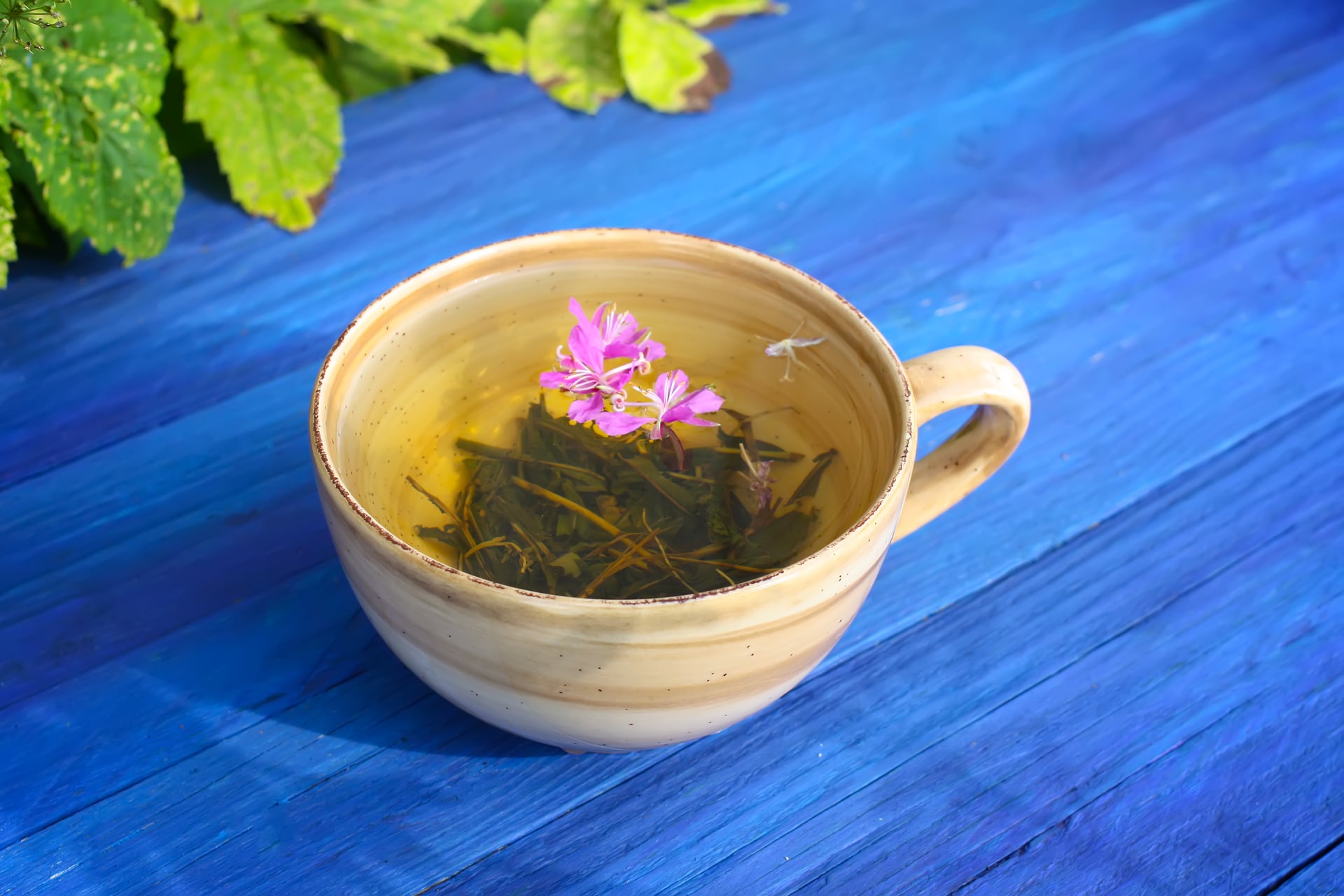 |
Nhan tran tea helps clear heat and detoxify, but caution is needed with prolonged use. *Vecteezy*
In Vietnam, nhan tran is commonly used as a tea or an ingredient in herbal remedies to clear heat, detoxify, and support the treatment of hepatitis and fatty liver disease. However, it is crucial to consult a doctor before using nhan tran, as misuse or overuse can lead to side effects. Pregnant and breastfeeding women, in particular, should exercise caution.
To protect liver health during Tet, individuals should maintain a balanced lifestyle: eat regular, complete meals, limit alcohol, sweets, and fatty foods, avoid staying up late, and refrain from self-medicating with antibiotics or overusing painkillers. Additionally, consider hepatitis vaccination. Vietnam offers both single-dose and combination vaccines to prevent hepatitis A and hepatitis B.
Hepatitis B is a widespread disease, affecting approximately 8-10% of the population. Many individuals are asymptomatic and unaware they carry the virus, inadvertently transmitting it to others. The disease is transmitted through blood, sexual contact, and from mother to child. Infants receive one dose within 24 hours of birth, followed by four basic doses according to the 6-in-1 or 5-in-1 vaccine schedule. Adults require three doses within six months, or four doses for high-risk groups. Everyone should undergo regular health check-ups and hepatitis B testing to quantify antibodies and receive booster shots when antibody levels decline. Hepatitis A vaccine is administered to children aged 12 months and older. The vaccination schedule varies depending on the vaccine type and age.
Doctor Tran Huynh Tan
(Medical Manager, VNVC Vaccination System)
Readers can submit questions for vaccine consultation to the doctor here.