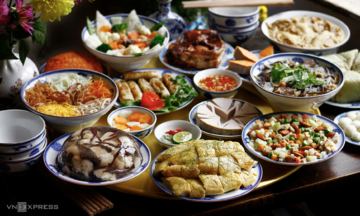
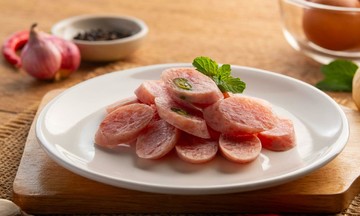
Traditional Tet meals often feature braised pork with eggs (thit kho tau), bitter melon soup with pork stuffing, banh chung and banh tet, and accompanying dishes such as pickled leeks (cu kieu), pickled vegetables (dua mon), salads, boiled chicken, pork sausage (cha lua), and Tet jams. However, for individuals with kidney disease, especially those also managing hypertension, diabetes, or gout, uncontrolled eating during Tet can accelerate kidney function decline and silently worsen their condition.
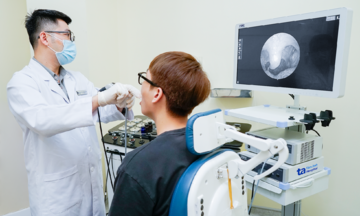
According to Doctor of Internal Medicine II Ho Tan Thong, from the Nephrology - Dialysis Unit at Tam Anh General Clinic District 7, kidney patients can still enjoy a fulfilling Tet if they adhere to appropriate nutritional principles.
Braised pork
When kidney function declines, the impaired ability to excrete sodium leads to hypertension and fluid retention, causing edema. A diet high in saturated fats increases the risk of cardiovascular complications and atherosclerosis, further exacerbating kidney disease. Doctor Thong suggests prioritizing boiled, steamed, or lightly braised dishes, limiting salt and oil. For instance, when preparing braised pork, choose lean pork as a good, easily digestible protein source that places less strain on the kidneys, consuming it in moderate amounts.
Soups
Bitter melon is known for its cooling and detoxifying properties, but kidney patients should not consume large quantities. Its high fiber content can cause indigestion and bloating. Furthermore, compounds in bitter melon may affect kidney function, especially in individuals with kidney failure.
The doctor recommends light vegetable or gourd soups, such as winter melon soup, pumpkin soup, or loofah soup. These not only provide hydration but also supply vitamins and fiber, supporting kidney function. Remember to use minimal salt during preparation to lessen the burden on the kidneys.
Boiled or steamed chicken
Boiled chicken is a staple of Tet meals; however, it is advisable to select fresh, free-range chicken, ensuring it is clean, low in fat, and free from impurities. Kidney patients should remove the skin, fat, and organs, as these contain high levels of fat and phosphorus. Limit seasoning, avoid fish sauce, and consume only moderate portions, adhering to the daily protein recommendations provided by a doctor.
Banh chung and banh tet
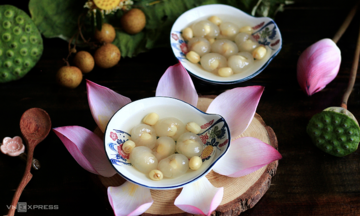
Kidney patients can still eat banh chung and banh tet but should do so sparingly, consuming only small amounts as a substitute for a single bowl of rice. Avoid replacing multiple meals or eating them continuously for several days. However, be aware that these dishes can elevate blood sugar in kidney patients with co-existing diabetes. Opt for varieties with less savory filling and less fat, prioritizing green bean filling. Other starches like arrowroot vermicelli or white rice can be substituted in meals.
 |
Kidney patients should not consume large amounts of banh chung; choose varieties with less savory filling and fat, prioritizing green bean filling. *Illustration: Phuong Nguyen* |
Salads
Prepare salads using low-potassium, low-sodium ingredients such as: cabbage, bell peppers, napa cabbage, kohlrabi, white radish, and cucumber, combined with small amounts of lean pork, skinless chicken, or shrimp. When mixing salads, limit salt, salty fish sauce, and sugar. Avoid incorporating processed foods like pork sausage (gio cha) or sausages, as they are high in salt.
Green vegetables
Select low-potassium boiled or steamed vegetables such as: winter melon, cauliflower, or cabbage, or salads dressed with vegetable oil to balance the protein-rich Tet dishes. These vegetables provide fiber, vitamins, and antioxidants, helping to control blood pressure and reduce inflammation, which benefits kidney function.
Fruits
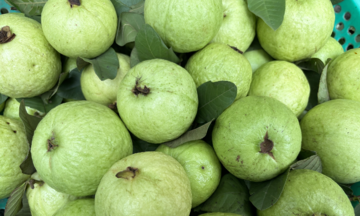
Opt for low-potassium, low-sugar fruits like: apples, pears, strawberries, blueberries, and raspberries, which are rich in fiber and antioxidants. Consume them in small, divided portions throughout meals to manage blood potassium levels. Limit high-potassium fruits such as: bananas, oranges, grapefruits, durians, and mangoes.
Doctor Thong also advises kidney patients to avoid alcohol and carbonated soft drinks. They should limit foods detrimental to kidney health, including: pickled onions, pickled leeks, other pickled foods, salty braised meats, oily fried dishes, and high-sodium processed or instant foods, which can lead to hypertension and fluid retention, harming the kidneys.
Ha Thanh
| Readers can ask questions about kidney disease here for a doctor's response. |