Master, Doctor Hoang Nam, from the Department of Gastroenterology - Hepatology - Pancreatology at Tam Anh General Hospital Hanoi, states that gut aging typically affects older individuals. However, the condition is becoming more common among younger people due to unhealthy lifestyles, diets high in ultra-processed foods and low in fiber, chronic stress, and lack of physical activity.
Early recognition of these unusual changes can help in timely adjustments, reducing the risk of chronic digestive diseases.
More frequent constipation
Gut aging slows down intestinal peristalsis, causing stool to remain longer in the colon, making it dry and hard. Individuals who notice abnormal bowel habits, such as frequent straining, feeling of incomplete evacuation, or only having bowel movements a few times per week, should seek medical attention to identify the cause. Prolonged constipation can increase the risk of hemorrhoids, anal fissures, and negatively impact gut microbiota.
Frequent bloating and distension despite moderate eating
Gut aging leads to a decline in digestive function and reduced ability to break down food. Food that remains in the digestive tract for extended periods allows bacteria to ferment more, producing large amounts of gas that cause bloating, belching, and discomfort after meals.
According to Doctor Nam, when these symptoms occur frequently despite no change in diet, it may signal an inefficient digestive system.
 |
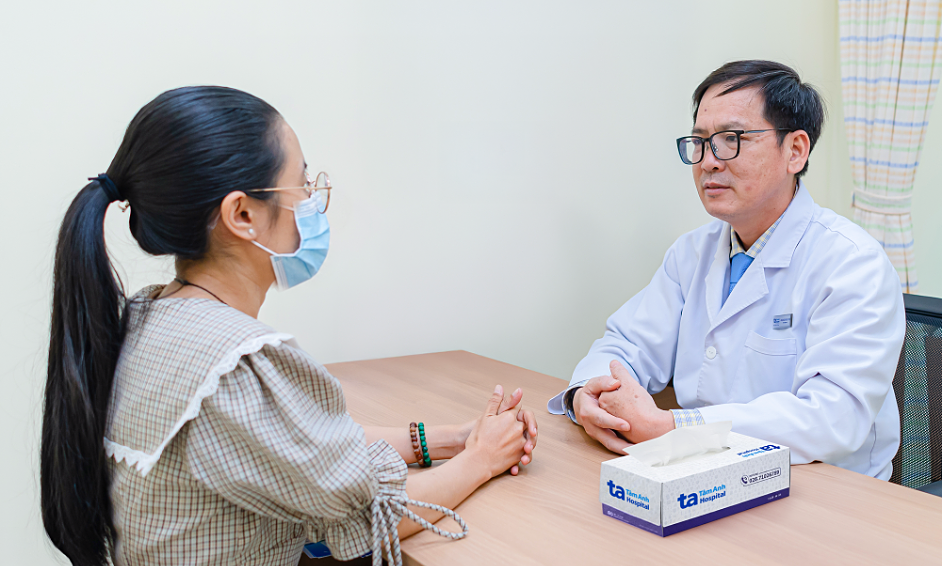
Doctor Nam examines and consults a young patient with symptoms of bloating and abdominal distension. Illustration: Tam Anh General Hospital. |
Difficulty tolerating certain foods
As people age, the amount of digestive enzymes gradually decreases, and gut aging also leads to an imbalance in the gut microbiota. These factors reduce the ability to process food. Individuals should seek medical attention if they frequently experience abdominal pain, bloating, or diarrhea after consuming fatty or protein-rich foods, or drinking milk, especially if they had no prior issues.
Irregular bowel movements
A healthy gut typically maintains a relatively stable bowel rhythm. When the aging process occurs, individuals may experience alternating constipation and diarrhea, irregular frequency of bowel movements, or inconsistent stool shape.
Changes lasting several weeks, especially when accompanied by abdominal pain, weight loss, bloody stools, or anemia, require examination to rule out colorectal diseases.
Poorer nutrient absorption
Beyond digestion, the gut is responsible for absorbing most essential vitamins, minerals, and nutrients. When the intestinal lining's function declines or the microbiota is imbalanced, nutrient absorption becomes less efficient. Patients may experience unintended weight loss, vitamin deficiencies, fatigue, dry hair, brittle nails, and anemia, even if their diet has not changed significantly.
Longer recovery time after digestive disorders
A person with a healthy gut typically recovers within one to a few days after unhygienic eating or mild digestive upset. However, with gut aging, recovery time slows down. This indicates a weakened gut microbiota and a gradual decrease in the intestinal lining's regenerative capacity.
Weakened immunity, increased susceptibility to illness
Approximately 70% of the body's immune cells are concentrated in the digestive tract. A healthy gut microbiota helps create a protective barrier against bacteria, viruses, and other pathogens. When the microbiota is imbalanced, weakened immunity makes individuals more prone to infections, common colds, and respiratory inflammations.
Doctor Nam explains that gut aging is a natural process, but its progression is significantly influenced by lifestyle. Maintaining a diet rich in green vegetables, fruits, whole grains, and fermented foods helps supplement fiber and beneficial bacteria, fostering a favorable environment for microbiota growth.
Additionally, everyone should drink enough water, exercise at least 150 minutes weekly, get sufficient sleep, manage stress, and limit ultra-processed foods, alcohol, and tobacco. Self-medicating with antibiotics or digestive aids without a doctor's prescription is not advisable, as it can disrupt the gut microbiota balance.
If constipation, diarrhea, bloating, abdominal pain, or changes in bowel habits persist for 2-4 weeks, recur frequently, or are accompanied by weight loss or bloody stools, individuals should seek timely medical examination at a healthcare facility.
Thanh Ba
| Readers can ask questions about digestive diseases here for doctors to answer. |