Insufficient fiber intake
According to Very Well Health, fiber is a vital nutrient that nourishes beneficial gut bacteria. Consuming enough vegetables, fruits, legumes, and whole grains promotes healthy bacterial growth, aiding digestion and protecting the intestinal lining.
Conversely, a low-fiber diet leads to a decline in beneficial bacteria, allowing harmful bacteria to thrive. Over time, this impairs gut function, weakens the intestinal protective barrier, and increases the risk of digestive diseases.
Inadequate hydration
When the body is dehydrated, digestive fluids are secreted less, causing food to move slowly through the intestines, which can lead to bloating, indigestion, and gas. Prolonged dehydration can also impact the gut environment and the function of the intestinal lining, reducing the efficiency of digestion and nutrient absorption.
Adults should maintain adequate daily water intake, around 2 liters or more depending on individual needs, to support digestive health.
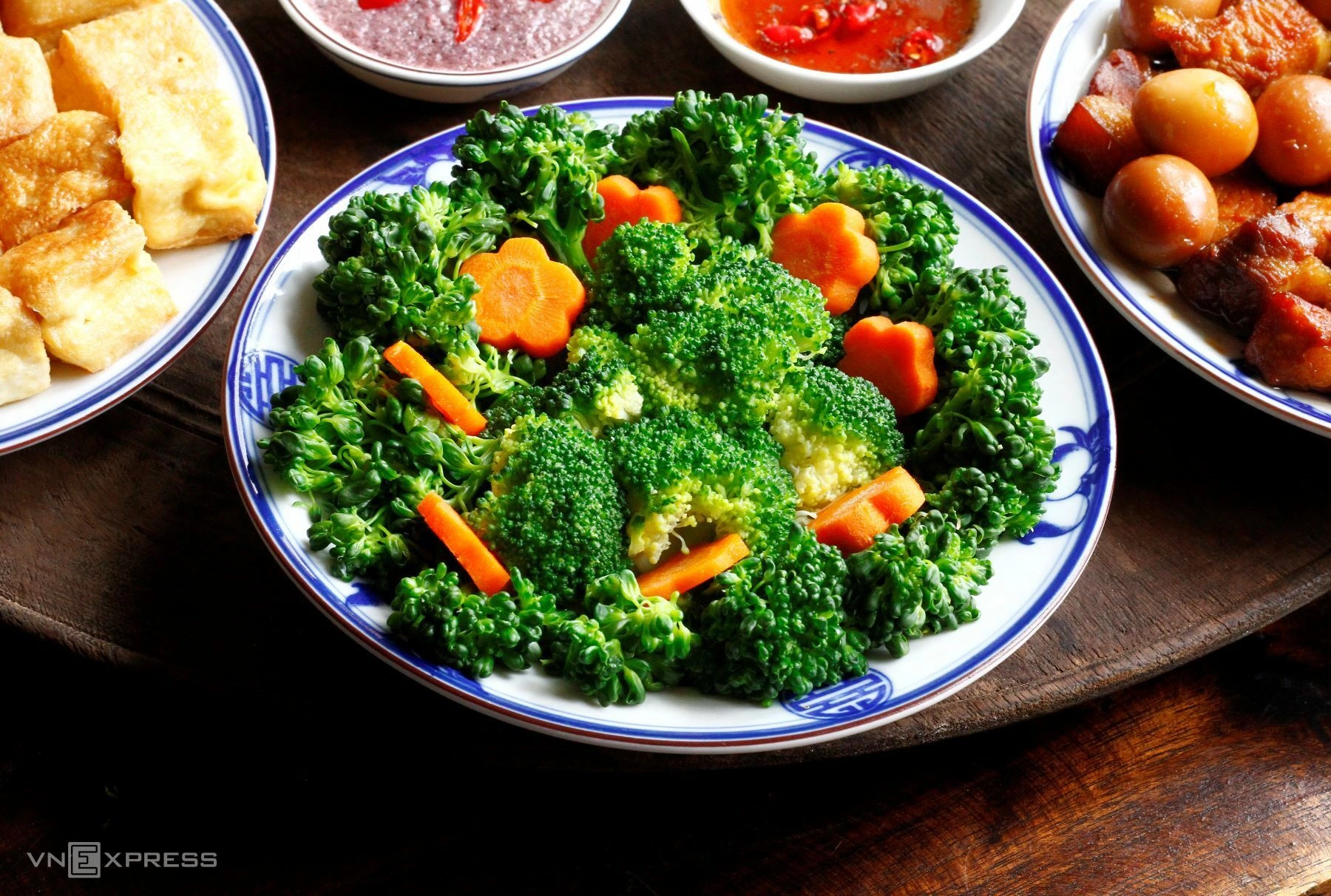 |
Consuming plenty of fiber from vegetables helps boost beneficial gut bacteria. *Illustration: Bui Thuy* |
Monotonous diet
The gut hosts trillions of microorganisms, including many beneficial bacteria. Each group of microorganisms requires different nutrients to thrive. A monotonous diet, consisting of only a few food types, can reduce the diversity of nutrients supplied to the gut microbiota. This can hinder the growth of certain beneficial bacteria, affecting microbial balance and consequently reducing digestive efficiency, nutrient absorption, and the protective function of the intestinal lining.
A monotonous diet also increases the risk of deficiencies in vitamins, minerals, and beneficial plant compounds. To support a healthy gut microbiome, one should consume a diverse range of vegetables, fruits, whole grains, legumes, and protein-rich foods.
Alcohol consumption
According to Eating Well, alcohol can disrupt gut microbiota balance by reducing beneficial bacteria and fostering the growth of harmful bacteria. Alcohol also irritates and damages the protective intestinal lining, making this barrier less effective. This leaves the gut vulnerable to inflammation, diminishing its ability to digest and absorb nutrients.
Many people experience bloating, abdominal pain, or diarrhea after heavy alcohol consumption due to an irritated digestive system.
Le Nguyen (compiled)
| Readers can submit nutrition questions here for a doctor's response. |