The thyroid is an endocrine gland located in the neck that produces T3 and T4 hormones, which regulate metabolism, heart rate, body temperature, menstruation, and fertility.
Master of Science, Doctor Pham Thi Hong, from the Department of Endocrinology - Diabetes at Tam Anh General Hospital Hanoi, states that during pregnancy, the demand for thyroid hormones increases to support both the mother and the fetus. In the first trimester, the fetus does not yet have its own thyroid gland and relies entirely on maternal hormones for brain and nervous system development. Checking thyroid function before pregnancy helps detect abnormalities early, allows for appropriate hormone adjustments before conception, reduces risks for both mother and fetus, and supports the child's comprehensive development.
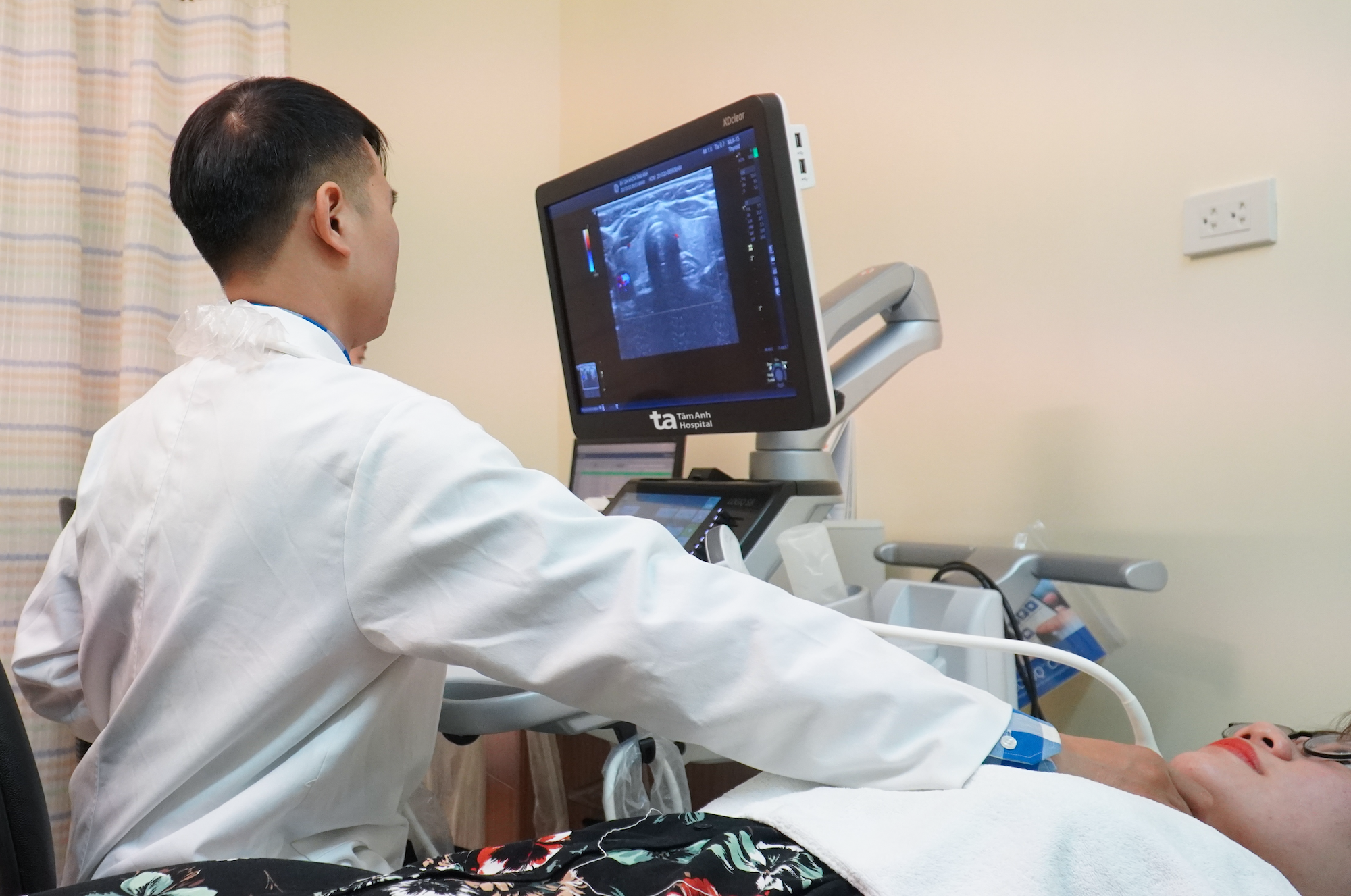 |
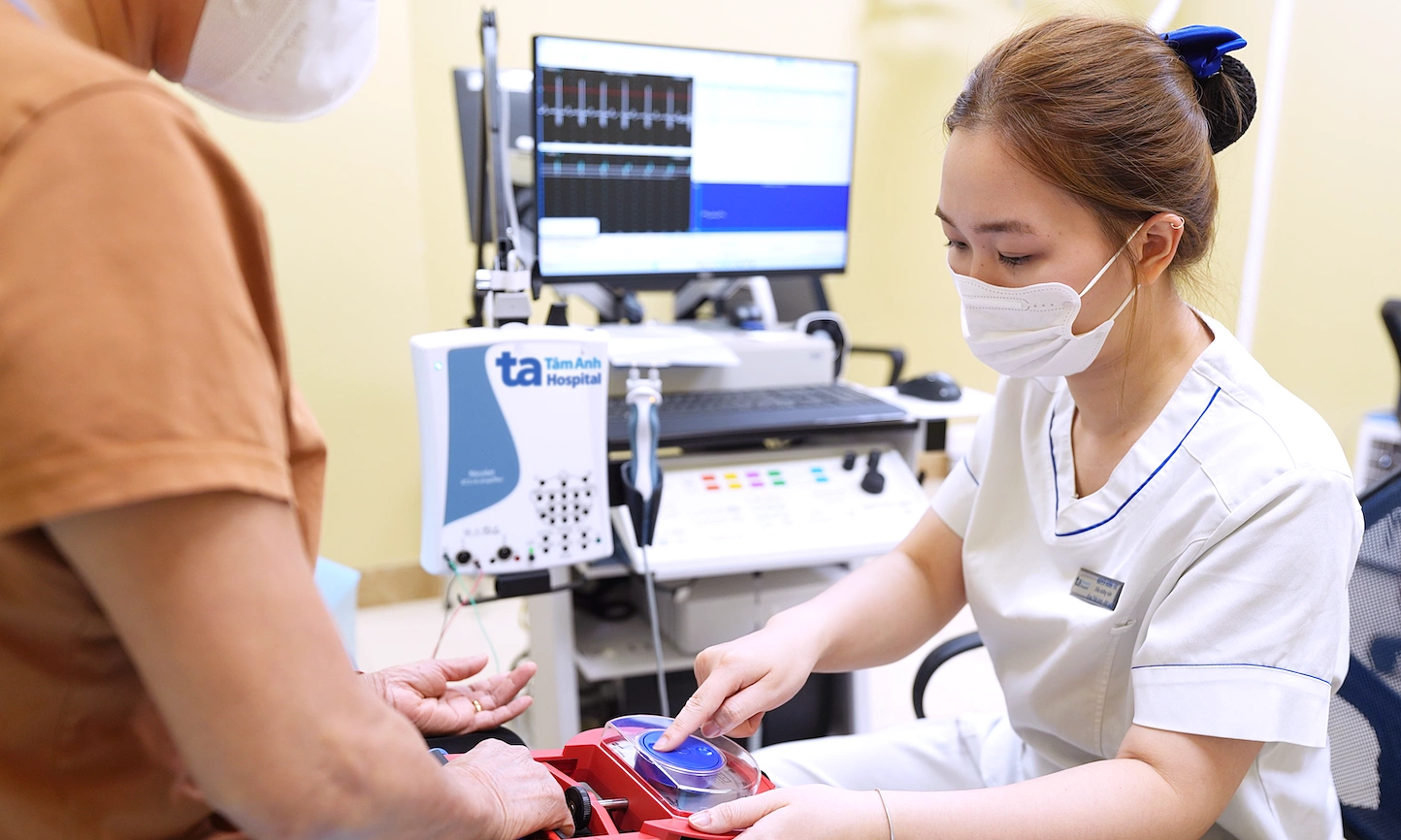
A doctor performs a thyroid ultrasound for a patient. *Photo: Tam Anh General Hospital* |
Doctor Hong identifies the following groups of women who should have their thyroid function checked before pregnancy.
Women with a history of thyroid disease
Women who have previously experienced hypothyroidism, hyperthyroidism, thyroiditis, goiter, thyroid nodules, or have undergone thyroid surgery or radioactive iodine treatment should consult an endocrinologist before planning a pregnancy. This group requires close monitoring as thyroid hormone demands change significantly during gestation.
If currently on medication for hypothyroidism or hyperthyroidism, patients should not discontinue treatment on their own when planning to conceive. They should revisit an endocrinology specialist for advice on the appropriate and safe time to conceive, and for medication adjustments both before and during pregnancy.
Menstrual irregularities
The thyroid is closely linked to ovarian function and the menstrual cycle. When thyroid hormone levels are too low or too high, women may experience ovulation disorders, irregular periods, prolonged bleeding, heavy periods, amenorrhea (absence of menstruation), infertility, or difficulty conceiving.
Checking thyroid function and identifying any related abnormalities contributes to early treatment, improves menstrual irregularities, and optimizes health before natural conception or before undergoing assisted reproductive techniques.
History of miscarriage, stillbirth, or preterm birth
Women with a history of miscarriage, stillbirth, preterm birth, preeclampsia, or fetal growth restriction should discuss thyroid testing with their doctor before their next pregnancy. Doctor Hong notes that thyroid disorders are not the sole cause of these complications, but they are a factor that needs to be ruled out.
Individuals with risk factors
Even without symptoms, women should consider thyroid testing before pregnancy if they have a mother, sister, or direct relative with thyroid disease; a history of autoimmune diseases such as type 1 diabetes; previous radiation therapy to the neck; or are currently taking medications that could affect the thyroid.
Women over 35 years old, those who are overweight or obese, have dyslipidemia, diabetes, polycystic ovary syndrome, or are preparing for in vitro fertilization should also consult a doctor about thyroid testing.
Women preparing for pregnancy who frequently experience fatigue, sluggishness, drowsiness, uncontrollable weight gain, constipation, or dry skin may be showing signs of hypothyroidism. Symptoms such as a rapid heartbeat, shortness of breath with exertion, and hand tremors could suggest hyperthyroidism. In these cases, it is advisable to seek medical examination for thyroid conditions.
Doctor Hong advises women planning a pregnancy to have a check-up 3-6 months beforehand, especially if they fall into the aforementioned risk groups. If a thyroid disorder is detected, treatment before pregnancy is often more proactive and safer than during pregnancy. Women with existing thyroid disease should inform their endocrinologist and obstetrician immediately when planning or discovering a pregnancy to ensure appropriate monitoring.
Van Anh
| Readers can submit questions about thyroid disease here for doctors to answer. |