On 27/1, Doctor Phan Tan Duc, Head of Nephrology - Urology Department at Children's Hospital two, stated that all three pediatric patients were outside the typical age group for testicular torsion (usually newborns or adolescents) and were admitted after the "golden period" to save the testicle.
These cases highlight the severe consequences of delayed medical attention. One six-year-old boy from Lam Dong experienced swelling and pain in his left scrotum but no fever. He was initially diagnosed with orchitis and received medical treatment at a local facility. By the time he was transferred to Children's Hospital two after two days, his testicle was severely twisted and could not be salvaged.
Another case involved an 11-year-old boy from Dong Nai who endured scrotal pain for two days but hesitated to tell his family. On the third day, his family noticed him walking unusually and rushed him to emergency care, where his testicle was found to be necrotic. The third case involved a three-year-old boy from TP HCM, who had scrotal swelling and pain for about two days but was not diagnosed early. Upon admission, his testicle had already necrosed due to prolonged torsion.
Associate Professor Doctor Pham Ngoc Thach, Deputy Director of Children's Hospital two, explained that testicular torsion is a surgical emergency. If a child arrives at the hospital more than six hours after the onset of pain, the risk of testicular necrosis is very high. "All three cases are regrettable because they came to the hospital too late," he said.
Testicular torsion can affect males of any age, most commonly in newborns and during prepuberty. However, the recent cases involving the three-to-11-year-old age group indicate that parents should not be complacent regardless of their child's age. In young children, limited ability to describe symptoms makes the condition prone to misdiagnosis or being overlooked.
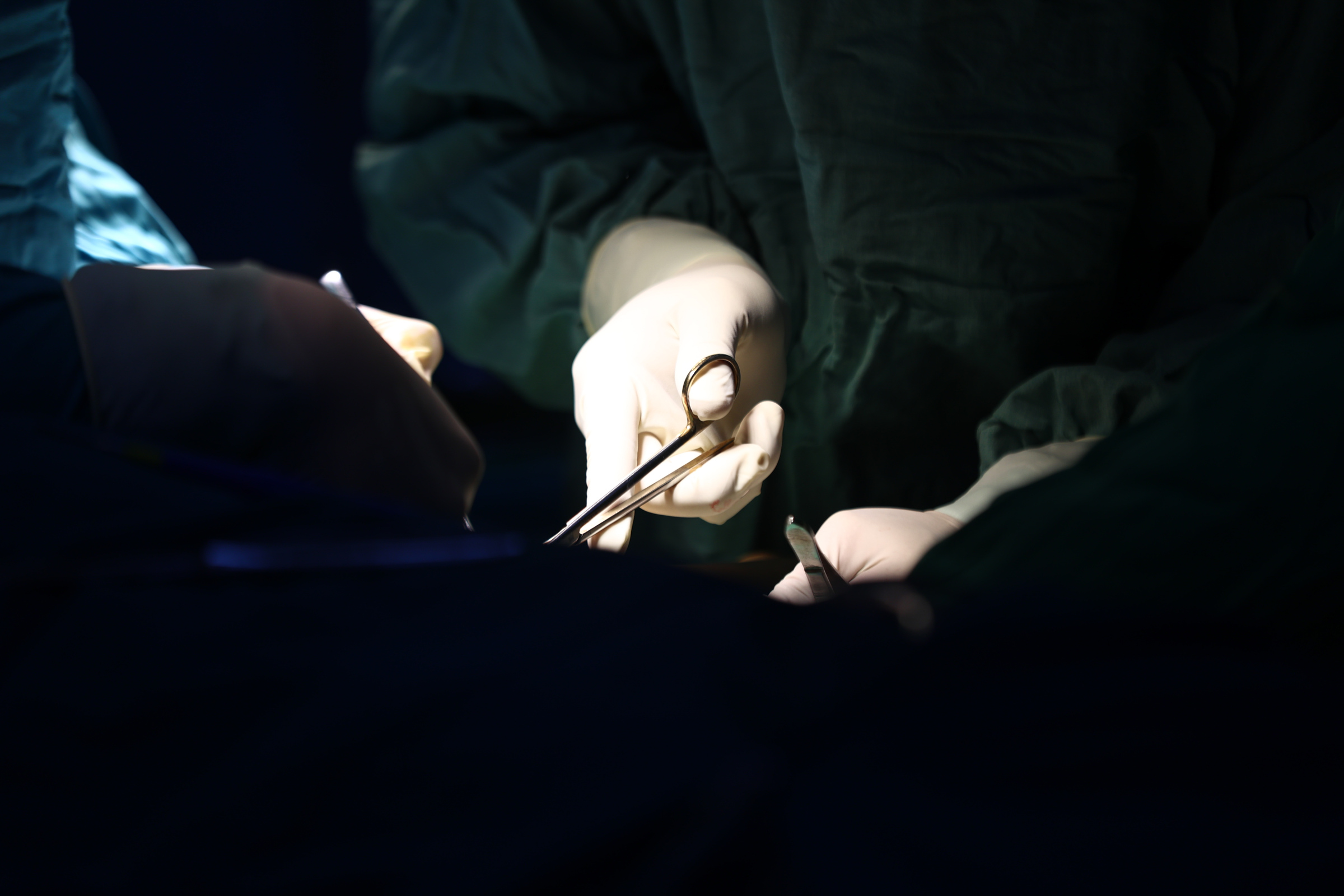 |
Doctors at Children's Hospital two operate on a pediatric patient. Photo: Quynh Tran |
Doctor Duc noted that testicular torsion often occurs at night. Parents typically wait until morning to take their child for examination, inadvertently losing the opportunity for treatment. He advised vigilance for warning signs: sudden, severe scrotal pain; significant scrotal swelling, redness, or purple discoloration; one testicle appearing higher than normal. Children may also experience lower abdominal pain, nausea, or vomiting.
Medical professionals strongly urge parents not to be complacent. Any acute scrotal pain (sudden onset, swelling, pain at night), even without fever or injury, should raise suspicion of testicular torsion. Do not delay; children must be taken to a hospital with a pediatric surgery department immediately, day or night. Absolutely avoid self-medication or home monitoring to prevent irreversible testicular necrosis.
Le Phuong