Last week, a 20-year-old man experienced a dull pain in his left testicle starting at midnight. The pain gradually increased, becoming severe by early morning, prompting him to seek medical attention. He was urgently referred from a lower-level facility to Military Hospital 175. Upon arrival at the Emergency Department, doctors diagnosed him with left testicular torsion, estimated to be in the 6th-7th hour since onset. Recognizing the dangerous surgical emergency, the hospital activated an alert protocol, rushing the patient directly to the operating room to race against the "golden hour".
At the time of surgery, the patient's left testicle was twisted two times and had turned purplish-black due to a lack of blood supply. The surgical team quickly untwisted the testicle, applied warm saline compresses, and monitored the situation. After 30 minutes, the testicle gradually regained a pink color, indicating that blood flow had been re-established. Doctors decided to save the testicle and performed surgery to fix both testicles to the scrotum, preventing the risk of recurrence.
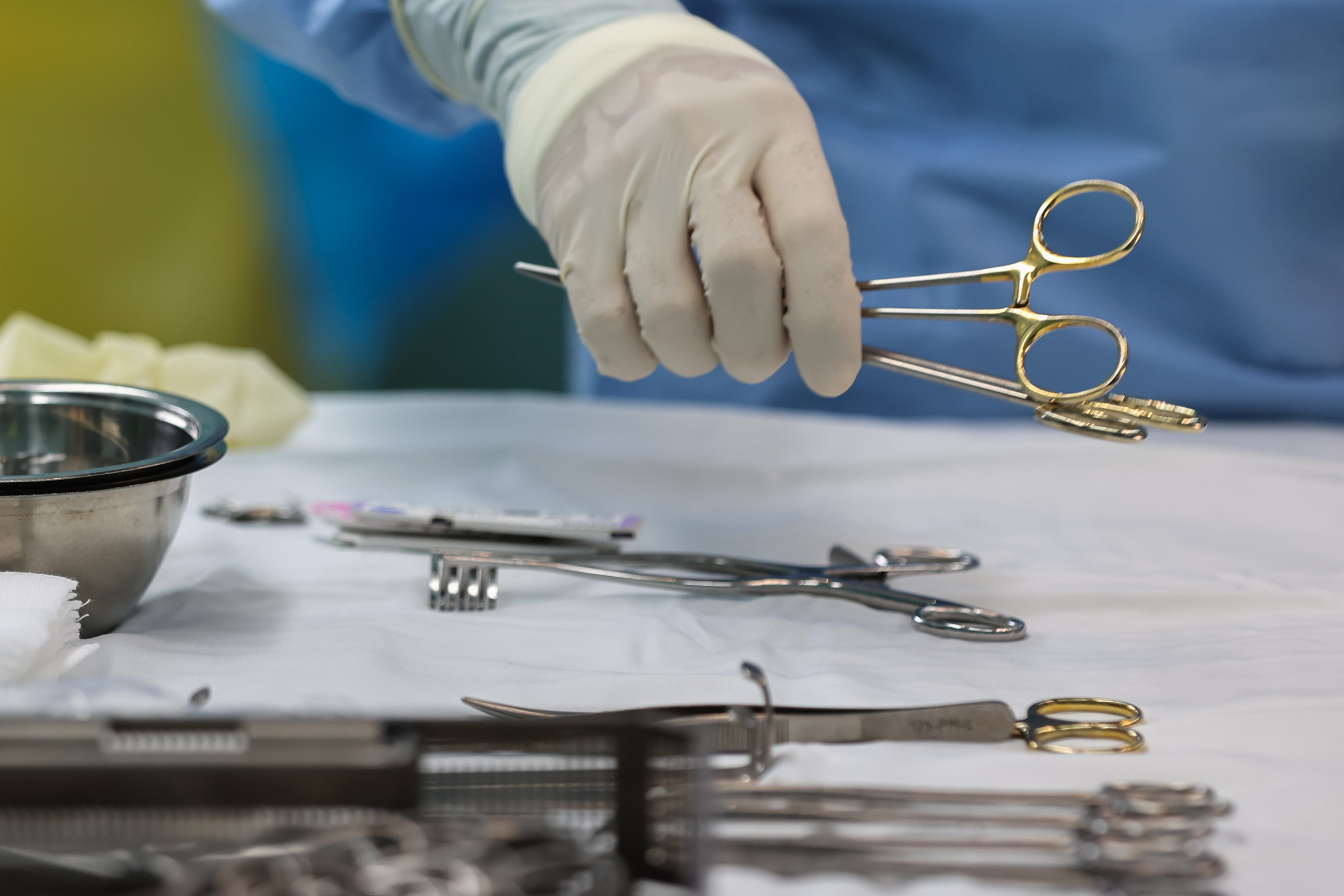 |
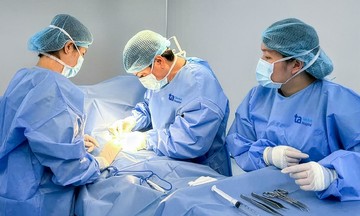
Medical staff in the operating room at Military Hospital 175. Photo: Quynh Tran |
A doctor from the Andrology Department at Military Hospital 175 explained that testicular torsion is a common condition among adolescents and young men. It typically has a sudden onset, characterized by severe scrotal pain, which may be accompanied by swelling, nausea, or pain radiating to the lower abdomen. In cases of testicular torsion, time is a critical factor. If the torsion is not relieved within the first 6 hours, the testicle faces a very high risk of necrosis and may require removal.
Men should not ignore sudden pain in the groin area. Patients must seek immediate medical attention because every hour that passes directly impacts the ability to save the testicle and preserve future fertility.
Le Phuong