Daily diet significantly impacts health and longevity. Choosing appropriate foods contributes to maintaining health and living a long, healthy life.
Beans and soybeans
Legumes like lentils, chickpeas, and soy products such as tofu and soy milk provide plant protein, fiber, folate, potassium, and micronutrients. Regularly consuming these foods can increase beneficial nutrient intake while partially replacing red or processed meats.
According to Health, legumes are among the food groups that can support longevity due to their protein and fiber content. Verywell Health also classifies soybeans as flavonoid-rich foods, plant compounds with antioxidant properties that help protect cells. Tofu, boiled soybeans, mung beans, black beans, or legumes cooked with vegetables can all be regularly included in meals.
Nuts
Walnuts, almonds, cashews, pistachios, and other nuts are rich in unsaturated fats, plant protein, fiber, and plant compounds like flavonoids. The unsaturated fats in nuts also benefit cardiovascular health when used instead of saturated fat sources. Nuts are common foods in the diets of people in Blue Zones – areas worldwide where many individuals live past 100 years old.
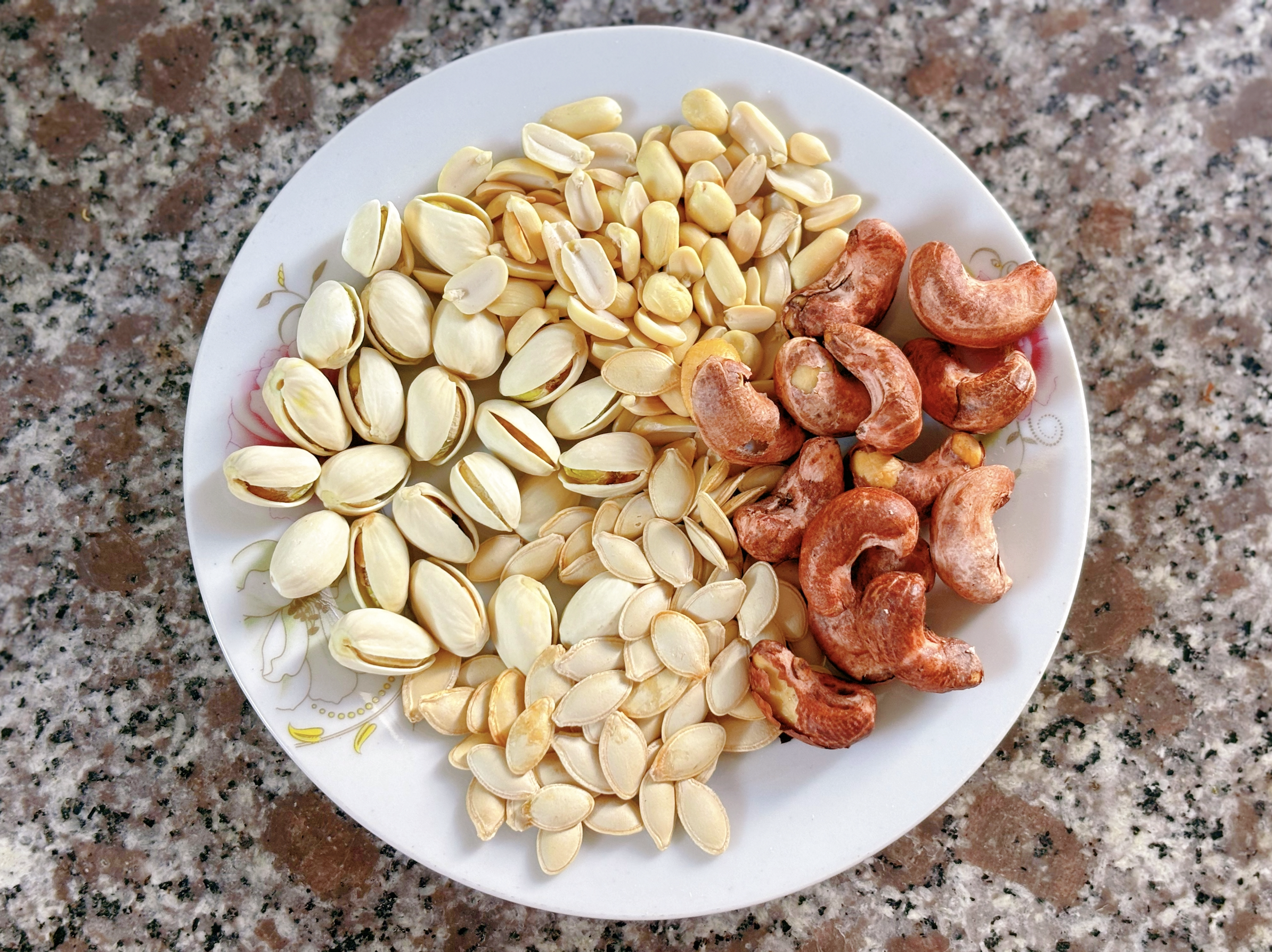 |
Nuts provide unsaturated fats, fiber, and many beneficial plant compounds for health. Illustration: Bao Bao |
You can consume a moderate amount (about a handful) of nuts as a snack or add them to oatmeal, yogurt, or salads. However, prioritize unsalted, unsweetened nuts and control portions as they are energy-dense foods.
Fatty fish
Salmon, sardines, mackerel, herring, and other fatty fish are rich in omega-3 fatty acids, protein, and micronutrients. Omega-3s participate in bodily functions and play various roles in cardiovascular and brain health.
Fish and seafood are common components of healthy eating patterns like the Mediterranean and DASH diets, recommended to replace some red meat. Regularly eating fish also helps increase high-quality protein intake. Prioritize cooking methods like steaming, boiling, pan-searing, or grilling over deep-frying.
These food groups contain beneficial nutrients, but it should not be understood that simply eating one specific food can lead to a longer life. Besides diet, many lifestyle factors also contribute to healthy aging. According to the National Institute on Aging (NIA), maintaining physical activity, caring for mental health, getting enough sleep, drinking enough water, not smoking, limiting alcohol, and managing stress can all support long-term health.
Experts also recommend that adults sleep about 7-9 hours each night and dedicate at least 150 minutes per week to moderate-intensity physical activity, combined with strength training at least two days. Meditation, outdoor walking, or yoga can help manage stress, while maintaining connections with friends and family also benefits mental health.
Bao Bao (Compiled)