Chronic obstructive pulmonary disease (COPD) is characterized by obstructed airflow. The common cause is prolonged exposure to harmful factors, especially cigarette smoke. According to Master, Doctor Nguyen Van Ngan from the Respiratory Department at Tam Anh Cau Giay General Clinic, many daily habits can directly affect the disease's progression.
Poor eating habits
Individuals with chronic obstructive pulmonary disease often experience shortness of breath, leading to fatigue during meals. This frequently results in reduced food intake and nutritional deficiencies. When the body lacks sufficient energy and nutrients, the immune system weakens, raising the risk of respiratory infections and potentially exacerbating the condition.
Conversely, overeating is also detrimental. It increases metabolic burden, potentially leading to overweight, obesity, or elevated carbon dioxide levels in the blood, which makes breathing more difficult.
Insufficient water intake
For individuals with COPD, water is crucial for thinning phlegm, which aids in easier coughing and expectoration. Dehydration causes phlegm to thicken, obstructing airways and intensifying shortness of breath. Sufficient water intake also helps prevent constipation and supports overall bodily functions. Patients should ensure adequate daily hydration, supplementing with water from fruits for additional nutrients.
 |
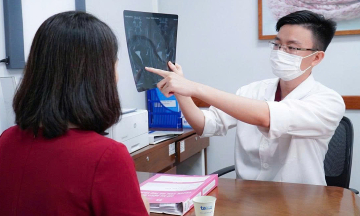
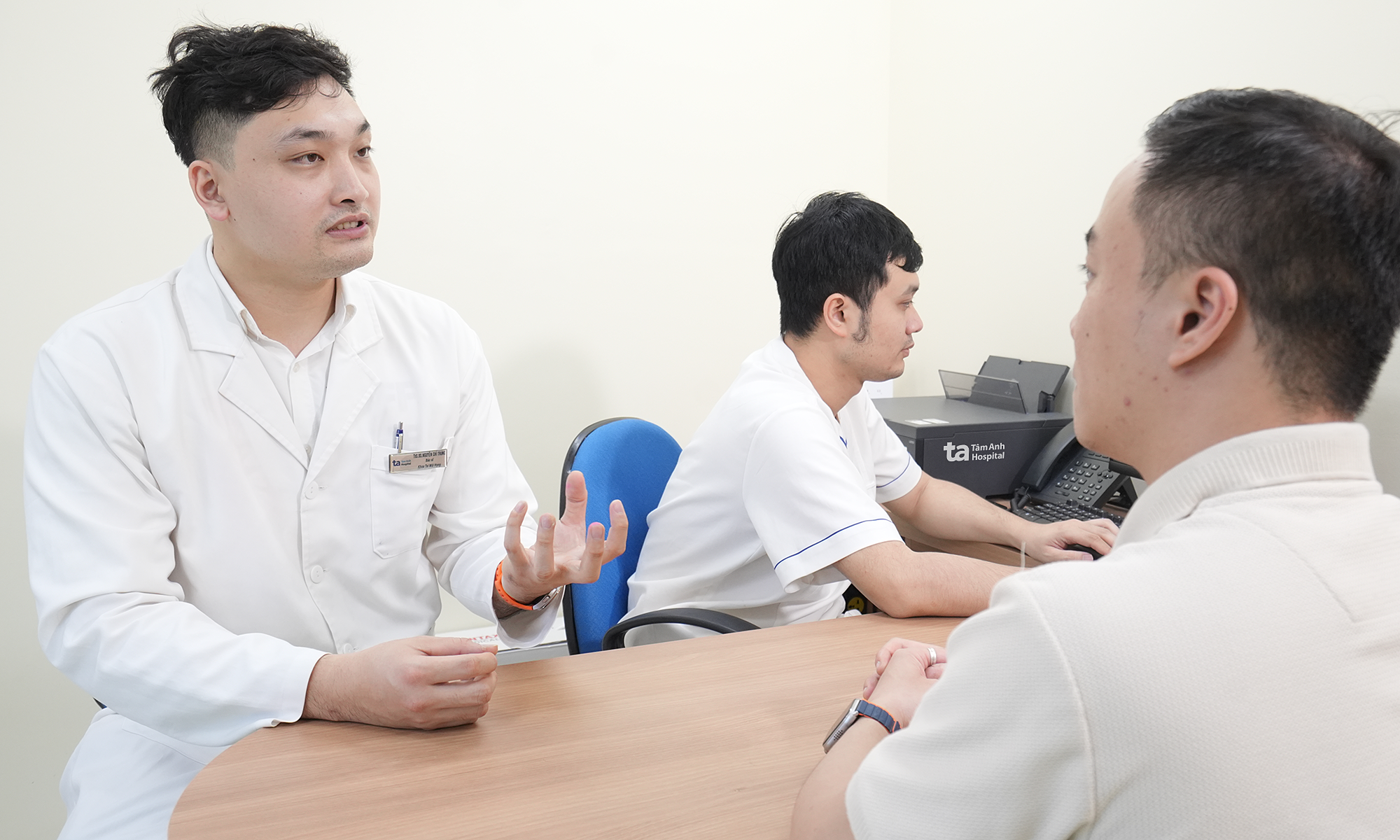
Doctor Ngan examining a patient. Illustration: Tam Anh Cau Giay General Clinic.
Lack of physical activity
Limiting physical activity due to concerns about shortness of breath can gradually weaken both general and respiratory muscles over time. As physical strength declines, patients face greater difficulty with daily activities, potentially entering a vicious cycle of worsening health. Engaging in appropriate physical activity, however, helps improve endurance, boosts respiratory efficiency, and aids in symptom management.
Gentle activities such as walking, slow cycling, or exercising in a controlled environment are suitable for many patients. Breathing exercises, including pursed-lip breathing, diaphragmatic breathing, and controlled coughing, also enhance lung ventilation. Patients should stop and rest if they experience shortness of breath or fatigue during exercise to prevent overexertion.
Doctor Ngan recommends that individuals with chronic obstructive pulmonary disease maintain a healthy lifestyle, which includes a balanced diet, sufficient hydration, and physical activity tailored to their condition. Adhering to these lifestyle adjustments, combined with medical treatment, can effectively manage symptoms.
Thu Giang
| Readers can submit questions about respiratory diseases here for doctors to answer |